 EN
EN


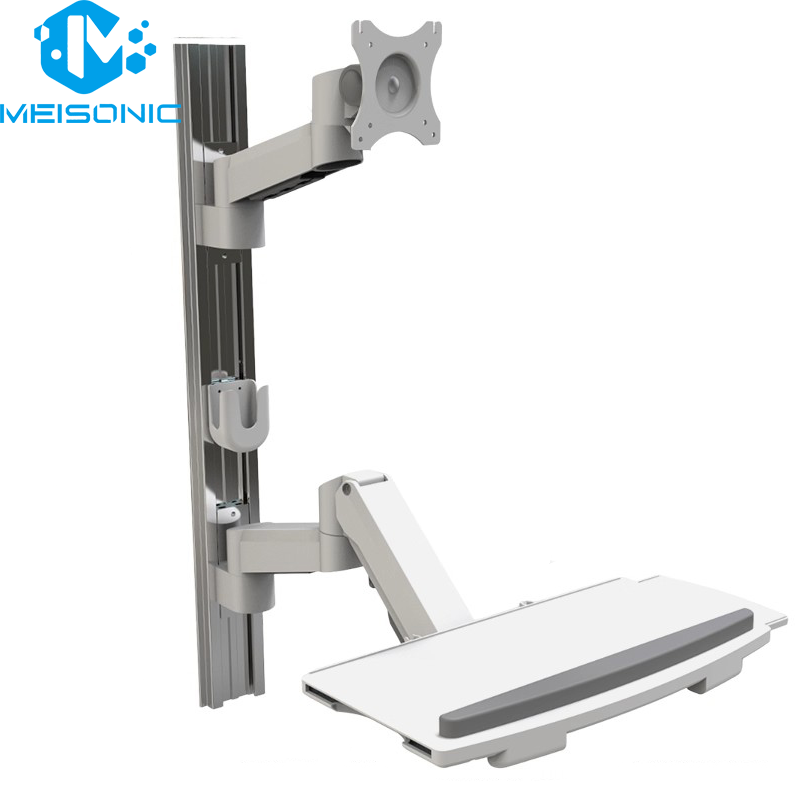
Setting up a workstation for semiconductor equipment requires careful consideration of ergonomics, stability, and precision control to ensure optimal performance in semiconductor manufacturing environments. A properly configured semiconductor workstation serves as the foundation for critical operations including wafer handling, inspection processes, and quality control procedures that demand unwavering accuracy and operator comfort during extended work periods.
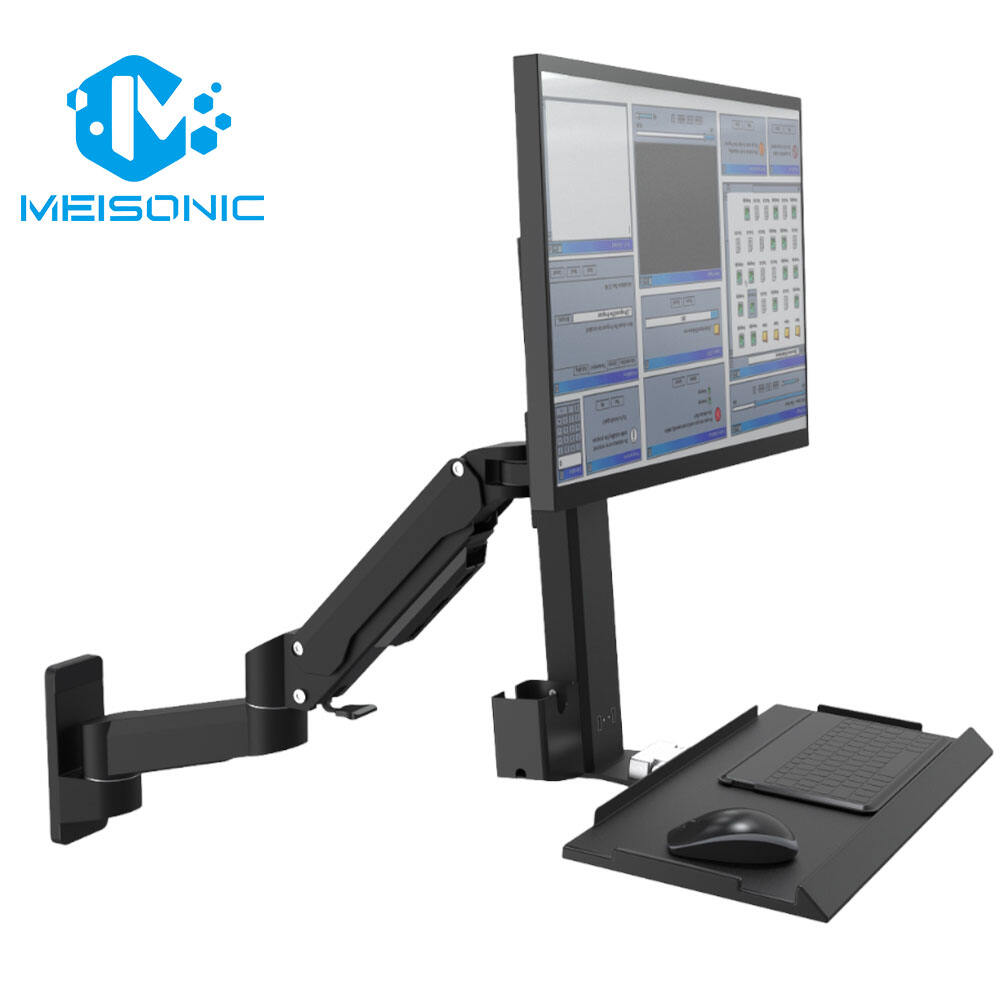
The semiconductor industry operates under stringent cleanliness standards and precision requirements that directly influence workstation design and setup protocols. Modern semiconductor workstation configurations must accommodate advanced monitoring systems, specialized control interfaces, and ergonomic positioning that reduces operator fatigue while maintaining the exacting standards required for semiconductor processing and quality assurance operations.
Essential Components for Semiconductor Workstation Setup
Monitor Positioning and Display Configuration
Proper monitor positioning forms the cornerstone of an effective semiconductor workstation setup, as operators frequently need to observe multiple data streams simultaneously while maintaining visual clarity of microscopic details. The monitor should be positioned at eye level to prevent neck strain during extended inspection periods, with the screen distance maintained between 20 to 26 inches from the operator's eyes to ensure comfortable viewing without compromising detail recognition.
Multiple monitor configurations are often necessary in semiconductor workstation environments, requiring adjustable mounting systems that accommodate various screen sizes and orientations. Gas spring monitor arms provide the flexibility needed to position displays at optimal angles while maintaining stability during precision operations. The mounting system should support 360-degree rotation capabilities to facilitate collaboration and accommodate different operator heights throughout shift changes.
Screen brightness and contrast settings require calibration specific to semiconductor inspection tasks, as operators must distinguish subtle variations in surface textures and detect microscopic defects. Anti-glare treatments and specialized lighting conditions work in conjunction with proper monitor positioning to create an optimal visual environment for detailed semiconductor work.
Keyboard and Input Device Integration
Keyboard placement within a semiconductor workstation must prioritize both accessibility and contamination control, as semiconductor environments demand strict adherence to cleanliness protocols. The keyboard should be positioned at elbow height when the operator's arms are relaxed, typically requiring adjustable keyboard trays that can accommodate different operator anthropometrics while maintaining ergonomic positioning principles.
Industrial-grade keyboards designed for semiconductor workstation applications often feature sealed construction and chemical-resistant surfaces that withstand regular cleaning procedures without compromising functionality. The keyboard mounting system should provide easy removal for thorough cleaning while ensuring precise repositioning to maintain operator comfort and efficiency.
Specialized input devices such as trackballs or sealed mouse units may be integrated into the semiconductor workstation configuration depending on the specific control requirements of the equipment being operated. These devices must be positioned within comfortable reach while maintaining the sterile environment standards required for semiconductor manufacturing processes.
Structural Support and Stability Features
The structural foundation of a semiconductor workstation must provide unwavering stability to prevent vibrations that could interfere with precision measurements or delicate handling procedures. Wall-mounted configurations often provide superior stability compared to floor-standing alternatives, as they eliminate potential movement caused by foot traffic or equipment vibration transmitted through flooring systems.
Load-bearing calculations must account for the combined weight of monitors, equipment interfaces, and any additional devices that will be mounted to the semiconductor workstation. Safety factors should incorporate dynamic loads from operator interaction and potential equipment additions that may be required as processes evolve or equipment upgrades are implemented.
Adjustability mechanisms within the structural support system enable accommodation of different operators and equipment configurations while maintaining the stability required for precision work. Gas spring mechanisms provide smooth adjustment capabilities without introducing play or instability that could compromise the effectiveness of the semiconductor workstation setup.
Ergonomic Considerations for Extended Operation Periods
Operator Comfort and Health Factors
Semiconductor manufacturing operations often require operators to maintain focused attention for extended periods, making ergonomic design critical for maintaining both productivity and operator health. The semiconductor workstation setup must accommodate natural posture alignment to prevent musculoskeletal disorders that can develop from repetitive motions or prolonged static positioning during detailed inspection and control tasks.
Proper height adjustment capabilities ensure that operators of varying stature can achieve optimal positioning without compromising their ability to interact effectively with equipment controls. The workstation should support neutral wrist positioning for keyboard and mouse interaction while maintaining clear sight lines to all critical displays and control interfaces used in semiconductor operations.
Eye strain reduction becomes particularly important in semiconductor workstation environments where operators must focus on detailed visual information for extended periods. The combination of proper monitor positioning, appropriate lighting conditions, and ergonomic seating arrangements contributes to reduced fatigue and improved accuracy in critical semiconductor manufacturing tasks.
Adaptability for Multiple Operators
Semiconductor manufacturing facilities typically operate with multiple shifts, requiring workstation configurations that can be quickly and easily adjusted to accommodate different operators throughout the production cycle. Quick-release mechanisms and memory positioning systems enable rapid reconfiguration without requiring extensive setup time that could impact production schedules.
Documentation of optimal positioning settings for individual operators helps maintain consistency and reduces setup time during shift changes. The semiconductor workstation should incorporate adjustment ranges that accommodate the full spectrum of operator anthropometrics likely to be encountered in the facility's workforce while maintaining the precision and stability required for semiconductor operations.
Training protocols for workstation adjustment ensure that all operators understand proper positioning principles and can achieve optimal ergonomic setup independently. This approach reduces the risk of improper positioning that could lead to decreased productivity or operator discomfort during critical semiconductor manufacturing processes.
Environmental Requirements and Compliance Standards
Cleanroom Compatibility
Semiconductor workstation configurations must comply with stringent cleanroom standards that govern particle generation, material selection, and surface treatments within semiconductor manufacturing environments. All components of the workstation setup must be constructed from materials that do not generate particles or outgas contaminants that could compromise semiconductor device quality or yield.
Surface finishes and component designs should minimize particle traps and enable effective cleaning procedures using approved cleanroom chemicals and protocols. The semiconductor workstation must maintain its functionality and structural integrity through repeated exposure to cleaning agents and sterilization procedures required for cleanroom maintenance.
Grounding and antistatic considerations become critical in semiconductor workstation applications where electrostatic discharge could damage sensitive components or interfere with precision measurements. Proper grounding paths and antistatic materials must be integrated into the workstation design while maintaining the ergonomic and functional requirements of the semiconductor operation.
Safety and Regulatory Compliance
Semiconductor workstation installations must adhere to workplace safety regulations and industry-specific standards that govern ergonomic design and operator protection. Compliance with OSHA guidelines for ergonomic workplace design ensures that the workstation setup protects operators from injury while maintaining the productivity levels required for competitive semiconductor manufacturing.
Electrical safety considerations include proper grounding, circuit protection, and cable management that prevents trip hazards while maintaining the signal integrity required for sensitive semiconductor equipment interfaces. All electrical components integrated into the semiconductor workstation must meet appropriate safety certifications and maintain performance under the environmental conditions present in semiconductor manufacturing facilities.
Regular inspection and maintenance protocols ensure that the semiconductor workstation continues to meet safety and performance standards throughout its operational life. Documentation of inspection results and maintenance activities provides evidence of compliance and helps identify potential issues before they impact production operations or operator safety.
Installation and Calibration Procedures
Pre-Installation Planning and Assessment
Successful semiconductor workstation installation begins with comprehensive site assessment that evaluates structural support capabilities, environmental conditions, and integration requirements with existing semiconductor equipment. The assessment must identify potential interference sources, clearance requirements, and utility connections needed to support the complete workstation configuration.
Load analysis of the mounting surface ensures adequate support for the dynamic and static loads that will be applied during normal semiconductor workstation operation. Wall construction, mounting hardware selection, and reinforcement requirements must be determined before installation to prevent structural failure that could damage equipment or compromise operator safety.
Coordination with other trades and operations ensures that semiconductor workstation installation does not interfere with ongoing production activities or compromise cleanroom integrity during the installation process. Scheduling considerations must account for curing times, calibration periods, and testing procedures required to validate proper installation.
Adjustment and Calibration Methods
Initial calibration of the semiconductor workstation involves setting baseline positions for all adjustable components and verifying that adjustment ranges meet the requirements of the intended operators and equipment interfaces. Calibration procedures should be documented to ensure consistent setup and enable troubleshooting if performance issues develop.
Monitor calibration includes verification of viewing angles, height adjustments, and rotation capabilities to ensure that all positions provide clear visibility of critical displays and control interfaces. The calibration process should verify that adjustment mechanisms operate smoothly and maintain position stability under normal operating conditions.
Functional testing of all semiconductor workstation components verifies proper integration and identifies any interference between adjustable elements or conflicts with existing equipment. Testing procedures should simulate actual operating conditions and validate that the workstation meets all performance requirements for the intended semiconductor applications.
FAQ
What height should a semiconductor workstation monitor be positioned?
The monitor should be positioned so the top of the screen is at or slightly below eye level when the operator is seated in their normal working position. This typically means the center of the screen is 15-20 degrees below horizontal eye level, reducing neck strain during extended periods of semiconductor inspection and monitoring tasks.
How often should semiconductor workstation positioning be adjusted?
Workstation positioning should be verified and adjusted at the beginning of each shift to accommodate different operators, and whenever an operator experiences discomfort or fatigue during semiconductor operations. Regular ergonomic assessments should be conducted monthly to ensure optimal positioning is maintained and to identify any needed modifications to the setup.
What are the key stability requirements for semiconductor workstation mounting?
Semiconductor workstation mounting must provide vibration-free support with deflection less than 0.5mm under normal operating loads. Wall-mounted systems typically offer superior stability compared to floor-standing alternatives, and mounting hardware must be rated for at least 3 times the anticipated static and dynamic loads to ensure safe operation.
Can semiconductor workstations be configured for both sitting and standing operation?
Yes, semiconductor workstations can be designed with sufficient adjustment range to accommodate both sitting and standing operation, though this requires careful consideration of the total adjustment travel needed and may require specialized height-adjustable seating or standing aids to optimize ergonomics for each operating mode while maintaining precision control capabilities.
Table of Contents
- Essential Components for Semiconductor Workstation Setup
- Ergonomic Considerations for Extended Operation Periods
- Environmental Requirements and Compliance Standards
- Installation and Calibration Procedures
-
FAQ
- What height should a semiconductor workstation monitor be positioned?
- How often should semiconductor workstation positioning be adjusted?
- What are the key stability requirements for semiconductor workstation mounting?
- Can semiconductor workstations be configured for both sitting and standing operation?