EN


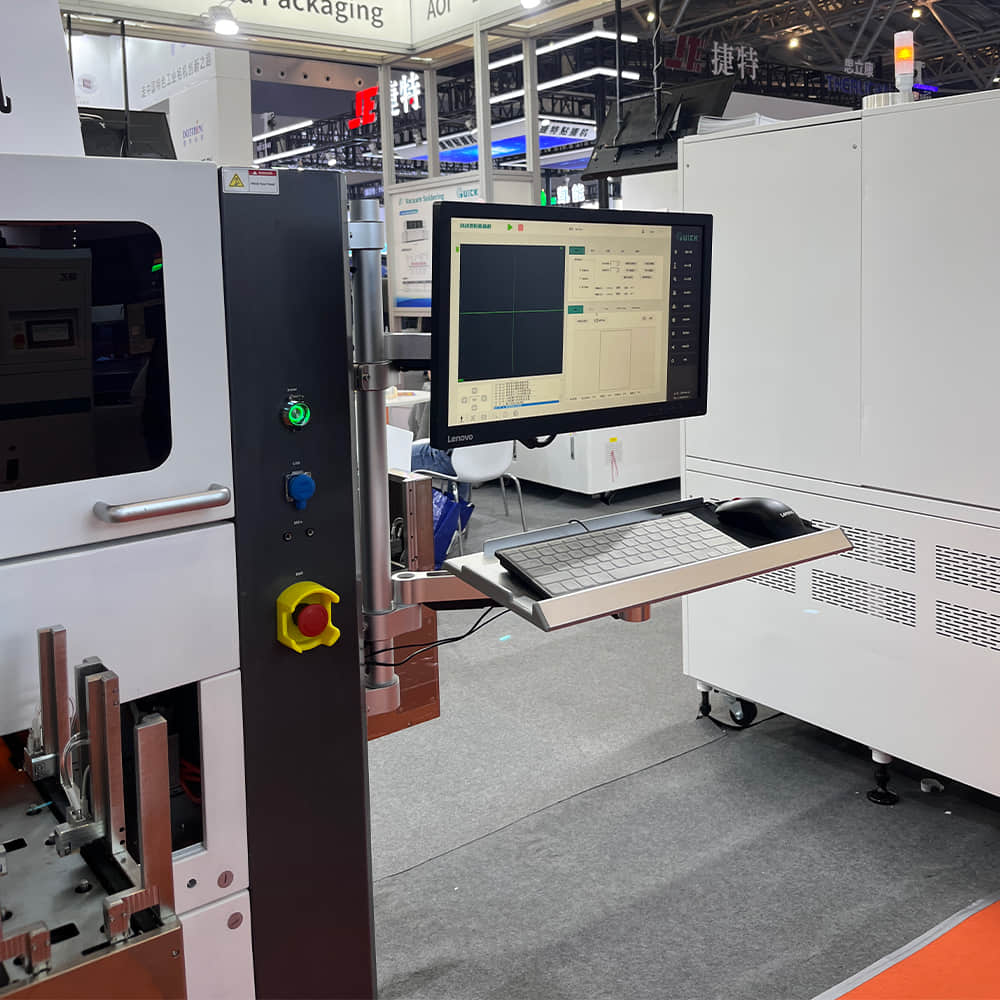
A monitor mount is used to hold a screen and keep it in a suitable position. We can see monitor mounts in offices, homes, factories, and many other places. But not all monitor mounts are made for the same working conditions.
A regular monitor mount is usually used in an office or at home. An Industrial monitor mount is designed for industrial work areas, such as CNC workshops, production lines, and inspection stations.
They may look similar, but there are some important differences. So, what should you know before choosing one?
1. Different Working Environments
The first difference is where they are used.
In an office, the monitor is usually placed on a desk. The working environment is often clean, and the screen does not need to face many difficult conditions.
In a factory, the situation can be different. There may be dust, oil, heat, vibration, and other equipment around the monitor. Workers may also need to use the screen for many hours every day.
An Industrial monitor mount needs to suit the actual working environment. Before choosing one, it is important to check where it will be installed and what conditions it needs to handle.
2. Materials and Load Capacity
Materials and load capacity are also important when choosing a monitor mount.
Regular monitor mounts are often used with common office monitors. Their load capacity is usually designed for the monitors they support.
Industrial monitors can have different sizes and weights. Some are used with machines or other industrial equipment, so the mount must match the monitor's weight and installation needs.
For example, an aluminum alloy monitor mount can provide a strong and practical mounting solution. However, the material alone does not tell you how much weight the mount can hold. You should always check the product's rated load capacity before installation.
A suitable Monitor mount should hold the screen safely and stay stable during normal use.
3. Installation Methods
Regular monitor mounts are often installed on desks or tables. They may use a desk clamp or a base to hold the screen.
Industrial monitor mounts can have more installation choices, depending on the model. Some can be installed on walls, while others can be mounted on poles, workbenches, or other suitable structures.
For example, in a CNC workshop, the monitor may need to be installed beside a machine. A wall-mounted solution can help save space on the workbench.
On a production line, the monitor may need to be placed where workers can easily see it. In this case, the installation position should match the layout of the workstation.
The best installation method depends on the available space, the monitor, and the way workers use the screen.
4. Adjustment for Daily Work
Both regular and industrial monitor mounts may support screen adjustment. However, the adjustment needed depends on the working situation.
In an office, a worker may only need to change the screen height or angle from time to time.
In a factory, workers may need to move the monitor when checking a machine or changing their working position. A suitable Industrial monitor mount can help place the screen where it is easier to see.
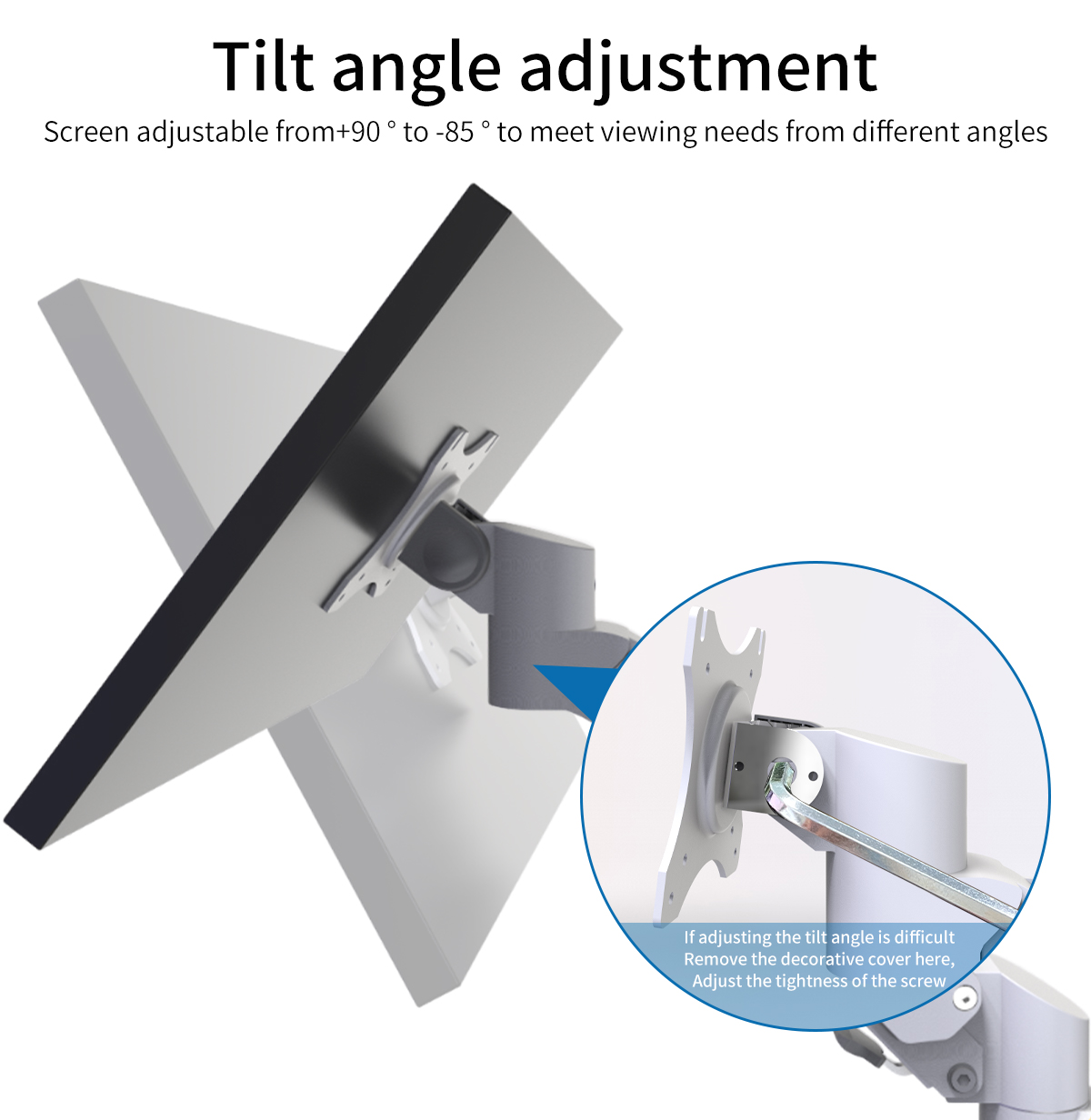
Some models support rotation, tilting, or height adjustment. Before buying, check which movements the mount supports and whether they fit your needs.
It is also important to make sure the monitor can stay in position after adjustment.
5. Cable Management
Cables are another detail that should not be ignored.
On an office desk, there may only be a few cables connected to the monitor. In a factory, the monitor may be connected to machines, control systems, and other equipment.
If the cables are not arranged properly, they may hang around the workstation or get caught when the monitor moves.
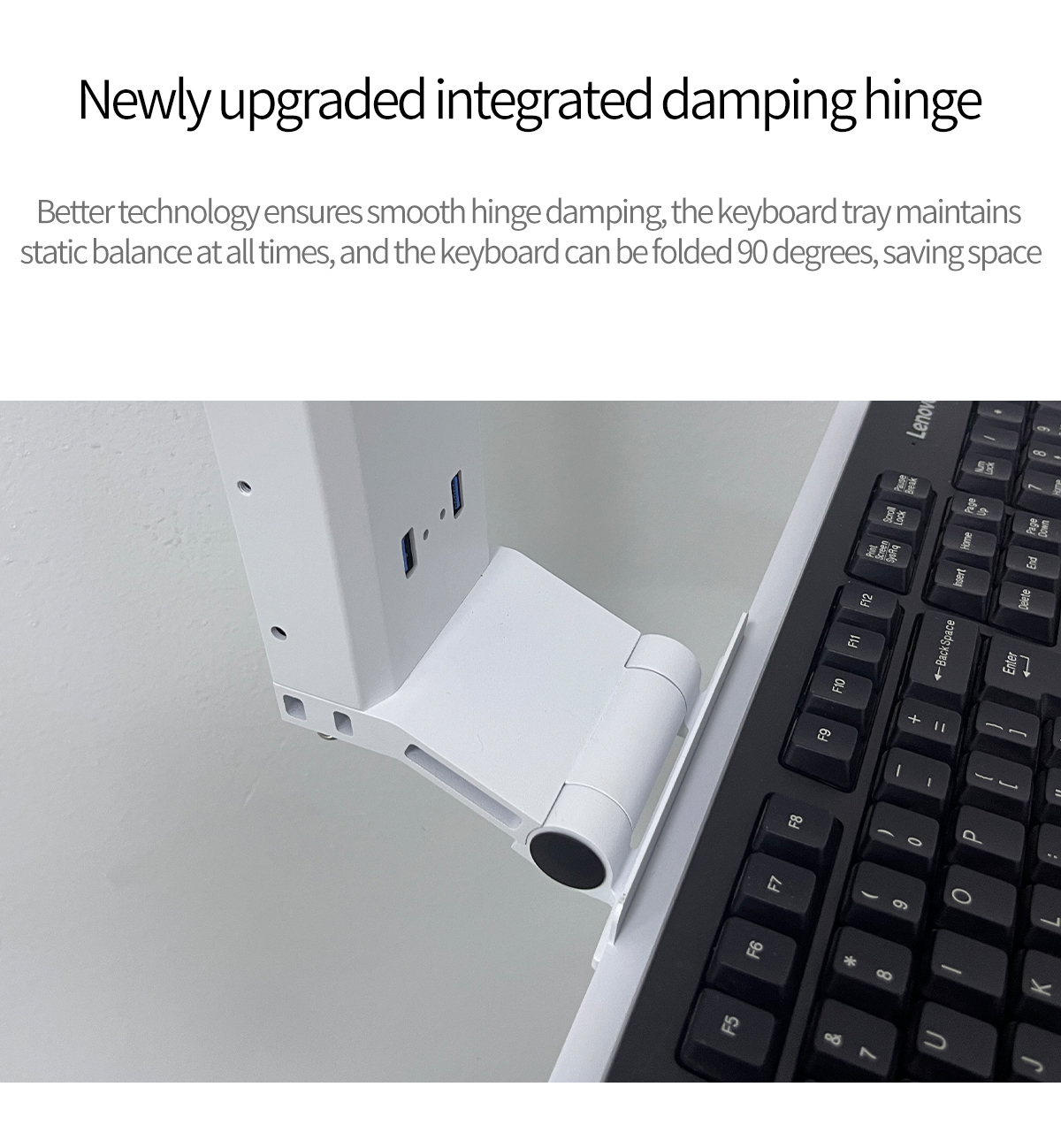
Some monitor mounts have cable clips or cable channels to help keep the cables in order. This can make the workstation cleaner and make it easier to check the connections.
When installing a monitor mount, leave enough cable length for screen movement. The cables should not be pulled too tightly or placed near moving machine parts.
6. Which One Should You Choose?
There is no need to choose an industrial model for every situation. If you only use a monitor in a normal office or at home, a regular monitor mount may be enough.
But if the monitor is used in a factory, beside CNC equipment, or on a production line, you should look more carefully at the working environment and mounting requirements.
Before choosing an Industrial monitor mount, check these points:
Monitor size and weight: Make sure the mount can support your screen.
Installation method: Check whether you need a wall mount, pole mount, or desk mount.
Adjustment needs: Decide whether you need height adjustment, rotation, or tilting.
Working environment: Consider dust, oil, heat, and other conditions around the equipment.
Cable management: Make sure the cables can be arranged safely.
These checks can help you find a mount that fits your equipment and daily work.
Conclusion
An Industrial monitor mount and a regular monitor mount may look similar, but they are made for different needs.
Regular monitor mounts are often suitable for homes and offices. Industrial monitor mounts are designed for industrial workstations and need to match the equipment, working environment, and installation method.
Meisonic provides monitor mounting solutions for different industrial applications. Before choosing a mount, it is always better to check the monitor size, weight, installation space, and adjustment needs.
The right monitor mount can help keep the screen stable, save space, and make daily work easier.