 EN
EN


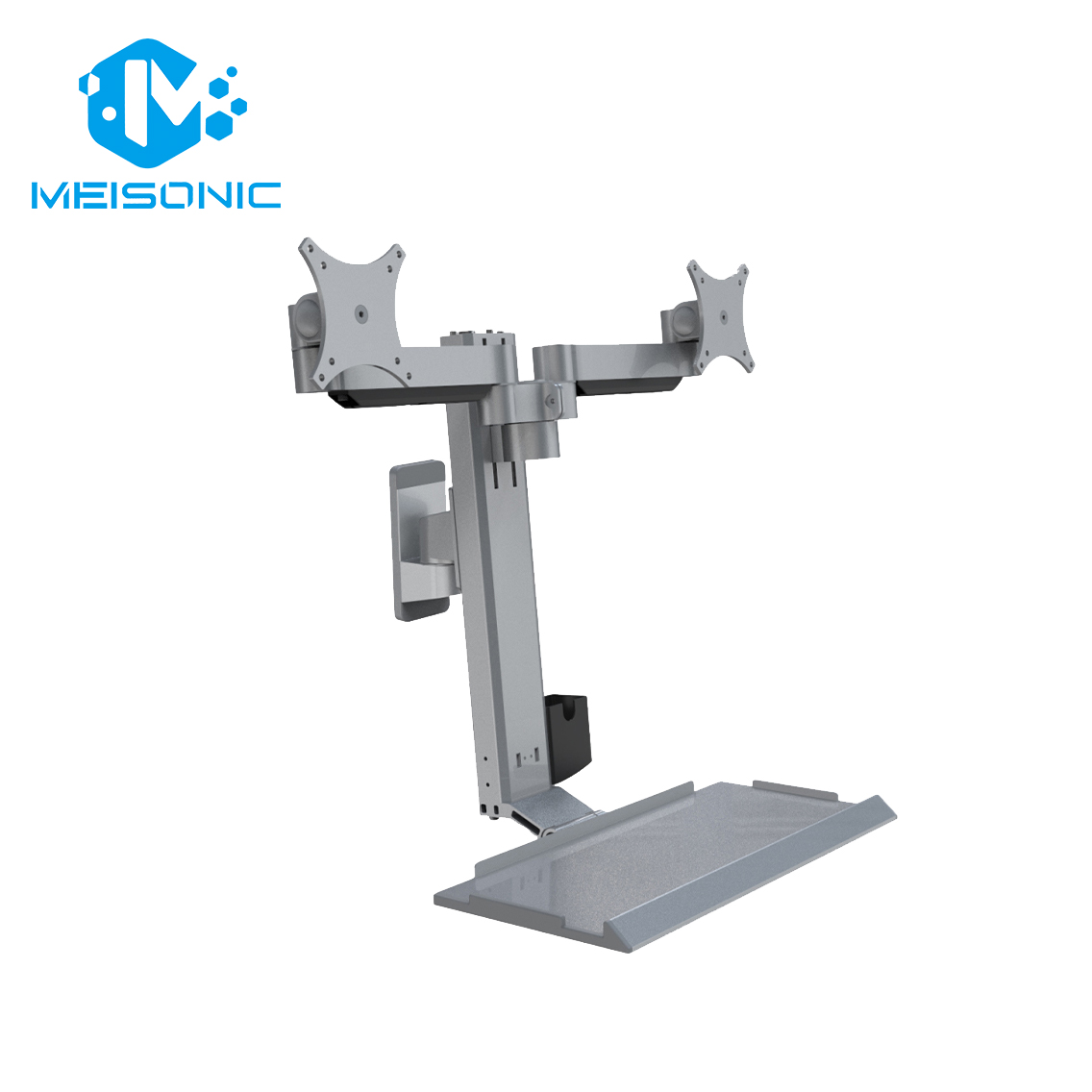
HMI suspension arm systems represent a revolutionary approach to workspace ergonomics and operational efficiency in industrial environments. These sophisticated mounting solutions enable operators to position human-machine interface displays at optimal viewing angles while freeing up valuable desk space for critical operational tasks. By implementing HMI suspension arm systems, facilities can dramatically transform their workspace dynamics, creating more flexible and productive environments that adapt to diverse operational requirements.
The strategic implementation of HMI suspension arm systems addresses multiple operational challenges simultaneously, from space optimization to ergonomic compliance. These systems provide the mechanical foundation necessary for creating adaptable workstations that can accommodate different operators, tasks, and equipment configurations throughout various operational cycles. Understanding how these systems enhance both workspace flexibility and performance requires examining their mechanical principles, ergonomic benefits, and practical applications across different industrial scenarios.
Mechanical Design Principles Behind Enhanced Workspace Flexibility
Gas Spring Technology and Load Distribution
The core mechanism of HMI suspension arm systems relies on precision-engineered gas spring technology that provides smooth, controlled movement across multiple axes. This technology enables operators to effortlessly reposition displays weighing up to several kilograms with minimal force application. The gas spring mechanism maintains consistent tension throughout its range of motion, ensuring that displays remain stable at any position within the adjustment range while requiring only light finger pressure for repositioning.
Load distribution within HMI suspension arm systems follows sophisticated engineering principles that balance weight across articulation points. The system design incorporates counterbalancing mechanisms that neutralize the gravitational forces acting on mounted displays, allowing for smooth adjustment without the need for locking mechanisms at intermediate positions. This balanced load distribution enables operators to make precise positioning adjustments during active operations without interrupting workflow continuity.
The mechanical advantage provided by HMI suspension arm systems extends beyond simple weight support to include dynamic load management during operational vibrations and external forces. Advanced damping mechanisms within the arm assemblies absorb minor vibrations from nearby machinery while maintaining display stability, ensuring consistent visibility and touch interface responsiveness even in environments with mechanical disturbances.
Multi-Axis Articulation and Range of Motion
HMI suspension arm systems incorporate multiple articulation points that enable comprehensive three-dimensional positioning capabilities. The typical configuration includes shoulder rotation, elbow articulation, and wrist adjustment points, each contributing to the overall positioning flexibility. This multi-axis design allows operators to achieve optimal viewing angles regardless of their physical position or the spatial constraints of their immediate work environment.
The range of motion specifications for professional HMI suspension arm systems typically encompass 360-degree rotation capabilities at primary pivot points, with vertical adjustment ranges exceeding 400 millimeters. This extensive positioning envelope ensures that displays can be moved from completely retracted positions against walls or equipment housings to extended positions that accommodate collaborative viewing scenarios or equipment maintenance operations.
Advanced HMI suspension arm systems incorporate position memory features through friction-based resistance mechanisms that maintain preferred positioning settings. These systems learn frequently used positions and provide subtle resistance feedback when approaching these preferred angles, enabling operators to quickly return displays to optimal configurations after temporary repositioning for maintenance or collaborative activities.
Operational Performance Enhancement Through Ergonomic Optimization
Viewing Angle Optimization and Visual Ergonomics
The implementation of HMI suspension arm systems directly addresses critical visual ergonomics factors that significantly impact operational performance. Optimal viewing angles, typically maintained between 10 and 20 degrees below horizontal eye level, reduce neck strain and eye fatigue during extended operational periods. The ability to achieve and maintain these optimal angles consistently across different operational scenarios directly translates to improved operator alertness and reduced error rates.
Screen glare elimination represents another critical performance enhancement achieved through proper HMI suspension arm systems implementation. The positioning flexibility allows operators to adjust display angles to minimize reflections from overhead lighting or external light sources, maintaining optimal screen visibility throughout different lighting conditions. This capability becomes particularly valuable in facilities with large windows or varied artificial lighting configurations.
Visual accessibility improvements extend beyond individual operator benefits to encompass collaborative operational scenarios. HMI suspension arm systems enable rapid repositioning of displays for team consultations, supervisor reviews, or training activities without requiring physical relocation of equipment or personnel. This flexibility reduces operational interruptions while maintaining visual accessibility for all stakeholders involved in collaborative decision-making processes.
Workspace Efficiency and Operational Flow
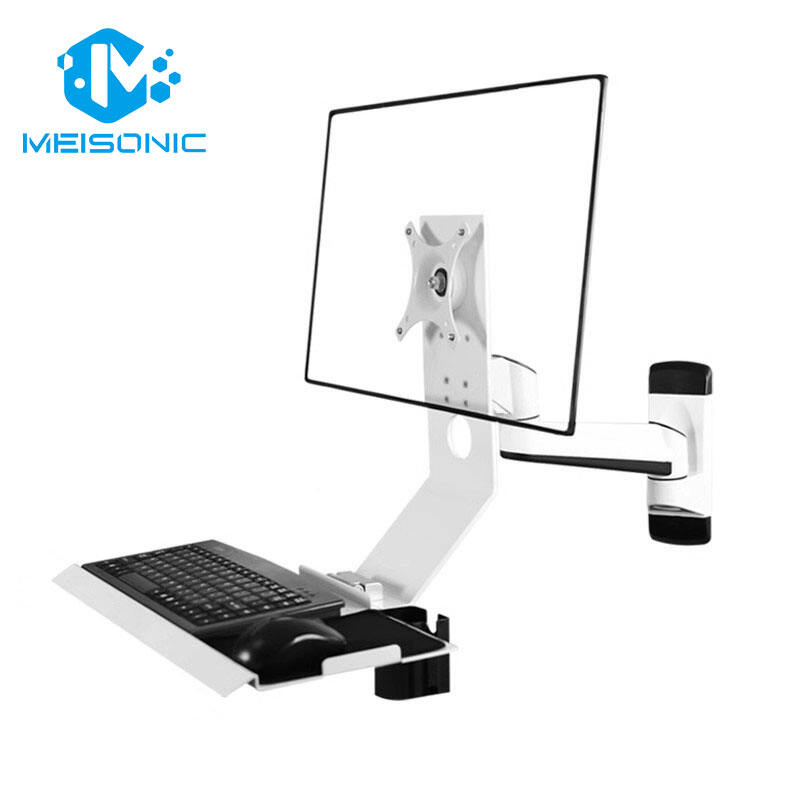
HMI suspension arm systems create significant workspace efficiency improvements by eliminating the need for dedicated desk surface area for display mounting. This space liberation enables operators to utilize desk surfaces for documentation, tools, control devices, or temporary material staging, directly supporting operational workflow requirements. The vertical mounting approach maximizes horizontal workspace utilization while maintaining full display functionality.
The retraction capabilities of HMI suspension arm systems support dynamic workspace reconfiguration requirements common in modern industrial operations. During equipment maintenance, material handling, or workspace cleaning activities, displays can be quickly repositioned to provide clear access to work areas. This operational flexibility reduces downtime associated with workspace preparation and restoration activities.
Operational flow optimization through HMI suspension arm systems extends to multi-station work environments where operators move between different workstations throughout their shifts. The consistent positioning capabilities across multiple installations ensure that operators can quickly establish familiar viewing configurations regardless of their current workstation assignment, reducing adaptation time and maintaining operational efficiency during station transitions.
Space Utilization Strategies and Environmental Adaptation
Compact Installation Footprints
HMI suspension arm systems optimize space utilization through minimal installation footprints that require only small wall or desk-mounted anchor points. The suspended design eliminates the need for floor-standing pedestals or large desk-mounted bases, freeing up valuable floor space for personnel movement, material flow, or additional equipment installation. This space efficiency becomes particularly valuable in retrofit installations where existing workspace layouts constrain expansion options.
The vertical integration approach of HMI suspension arm systems supports high-density workstation configurations without compromising individual operator workspace requirements. Multiple arms can be installed in close proximity while maintaining full adjustment ranges, enabling efficient utilization of linear workspace arrangements such as control room consoles or production line monitoring stations.
Installation flexibility accommodates diverse mounting surfaces and structural configurations, from standard drywall installations to heavy-duty structural steel attachments. This adaptability enables HMI suspension arm systems implementation in virtually any industrial environment without requiring specialized structural modifications or reinforcement work.
Environmental Adaptability and Durability
Industrial-grade HMI suspension arm systems incorporate environmental protection features that maintain operational performance across diverse conditions. Sealed bearing assemblies prevent contamination from dust, moisture, or chemical exposure while maintaining smooth articulation throughout extended service periods. These protection features ensure consistent performance in challenging industrial environments where traditional mounting solutions might experience degradation.
Temperature stability represents a critical performance characteristic of professional HMI suspension arm systems, with gas spring mechanisms designed to maintain consistent force characteristics across industrial temperature ranges. This stability ensures that positioning adjustments remain smooth and predictable regardless of environmental temperature variations, maintaining operational reliability throughout seasonal changes or process-related temperature fluctuations.
Corrosion resistance through advanced coating systems and material selection enables HMI suspension arm systems to maintain structural integrity in corrosive environments. Stainless steel construction options and specialized protective coatings provide long-term durability in chemical processing, food production, or marine applications where traditional mounting solutions might require frequent replacement or maintenance.
Integration Considerations and Implementation Strategies
Cable Management and Connectivity Solutions
Effective HMI suspension arm systems incorporate sophisticated cable management solutions that maintain connectivity while preserving full range of motion capabilities. Internal cable routing channels protect power and data cables from environmental exposure while preventing interference with articulation mechanisms. These integrated solutions eliminate external cable loops that could snag on equipment or create tripping hazards in active work environments.
Cable strain relief mechanisms within HMI suspension arm systems accommodate the repetitive flexing associated with frequent repositioning activities. Spring-loaded cable guides and controlled bend radius limitations prevent premature cable failure while maintaining reliable electrical connections throughout the system's operational life. These features reduce maintenance requirements and minimize operational disruptions associated with connectivity issues.
Modular connectivity options support diverse interface requirements, from standard video and power connections to specialized industrial communication protocols. Quick-disconnect connectors enable rapid display changes or maintenance activities without requiring skilled technician intervention, supporting operational flexibility and reducing maintenance downtime.
Load Specifications and Equipment Compatibility
HMI suspension arm systems accommodate various display weights and sizes through adjustable counterbalancing mechanisms that can be configured for specific equipment requirements. Professional systems typically support display weights ranging from 2 to 20 kilograms while maintaining smooth adjustment characteristics throughout the supported weight range. This flexibility enables standardization of mounting systems across facilities with diverse display equipment requirements.
VESA mount compatibility ensures broad equipment integration capabilities, supporting standard mounting patterns from 75x75mm to 200x200mm configurations. This standardization enables HMI suspension arm systems to accommodate displays from multiple manufacturers without requiring custom mounting adapters or modifications, simplifying procurement and installation processes.
Dynamic load considerations account for the additional forces generated during touch screen interactions or emergency stop activations. Professional HMI suspension arm systems incorporate sufficient stability margins to prevent displacement during vigorous touch interactions while maintaining responsive adjustment capabilities for normal repositioning activities.
FAQ
What weight capacity should I consider when selecting HMI suspension arm systems for industrial applications?
Industrial HMI suspension arm systems typically support displays weighing between 5 to 15 kilograms, with premium models accommodating up to 20 kilograms. Consider not only the display weight but also any additional accessories such as protective housings or attached peripherals. The system should maintain smooth adjustment characteristics throughout its weight range while providing adequate stability for touch screen interactions.
How do HMI suspension arm systems maintain stability during facility vibrations or nearby machinery operation?
Professional HMI suspension arm systems incorporate vibration damping mechanisms and rigid mounting assemblies that isolate displays from environmental vibrations. The gas spring mechanisms provide inherent damping characteristics while secure anchor points transfer structural loads directly to building infrastructure. These features ensure stable display positioning even in environments with significant mechanical activity.
Can HMI suspension arm systems be retrofitted into existing workstations without major modifications?
Most HMI suspension arm systems require only simple wall or desk mounting points, making them suitable for retrofit installations in existing workstations. The minimal installation footprint typically requires only basic mounting hardware and standard electrical connections. However, structural load capacity should be verified to ensure adequate support for the combined weight of the arm system and mounted display.
What maintenance requirements are associated with HMI suspension arm systems in industrial environments?
HMI suspension arm systems require minimal maintenance, typically limited to periodic cleaning of external surfaces and verification of mounting hardware tightness. The sealed gas spring mechanisms and bearing assemblies are designed for extended operation without lubrication or adjustment. Annual inspection of cable management components and connection integrity provides optimal long-term reliability in industrial applications.
Table of Contents
- Mechanical Design Principles Behind Enhanced Workspace Flexibility
- Operational Performance Enhancement Through Ergonomic Optimization
- Space Utilization Strategies and Environmental Adaptation
- Integration Considerations and Implementation Strategies
-
FAQ
- What weight capacity should I consider when selecting HMI suspension arm systems for industrial applications?
- How do HMI suspension arm systems maintain stability during facility vibrations or nearby machinery operation?
- Can HMI suspension arm systems be retrofitted into existing workstations without major modifications?
- What maintenance requirements are associated with HMI suspension arm systems in industrial environments?