 EN
EN


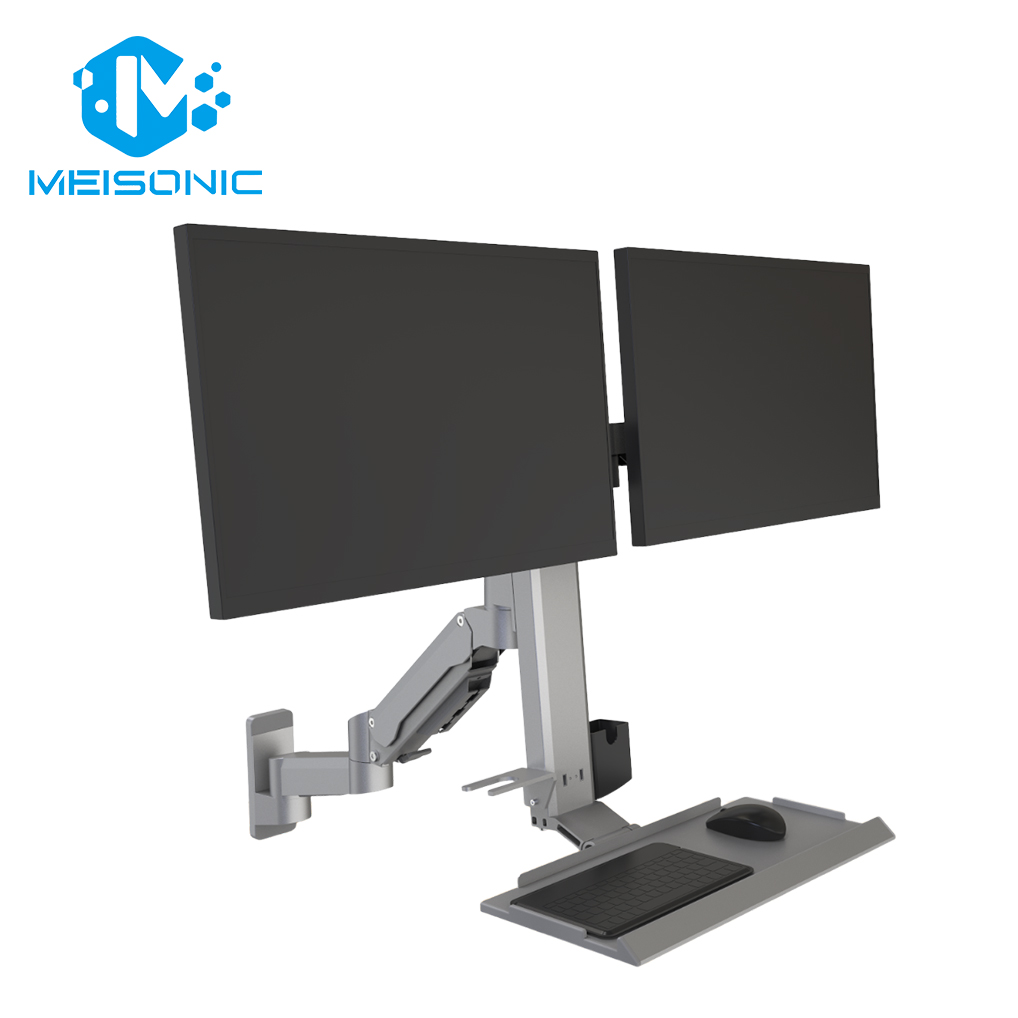
Selecting appropriate monitor mounts for cleanroom workstations requires careful consideration of multiple factors that extend far beyond standard mounting solutions. Cleanroom environments demand specialized equipment that maintains strict hygiene protocols while supporting operational efficiency and regulatory compliance. The selection process involves evaluating material compatibility, contamination control features, cleaning protocols, and ergonomic requirements that align with industry-specific cleanliness standards. Understanding these critical selection criteria ensures that your monitor mounts for cleanroom workstations will perform reliably while supporting the stringent environmental controls essential to cleanroom operations.
The complexity of cleanroom monitor mounting extends beyond typical workspace considerations to encompass particle generation prevention, chemical resistance, and decontamination procedures. Modern cleanroom facilities require monitor mounts for cleanroom workstations that integrate seamlessly with existing contamination control systems while providing the flexibility necessary for diverse operational tasks. This selection process demands a thorough understanding of cleanroom classifications, regulatory requirements, and the specific operational challenges unique to controlled environments. Proper selection ensures long-term performance, compliance maintenance, and cost-effective operation throughout the equipment lifecycle.
Material Selection and Contamination Control Requirements
Stainless Steel Construction Benefits
Stainless steel represents the gold standard for monitor mounts for cleanroom workstations due to its exceptional corrosion resistance and ease of decontamination. Grade 316L stainless steel offers superior chemical resistance against common cleanroom disinfectants and sterilization agents, ensuring long-term durability without surface degradation. The non-porous surface characteristics of properly finished stainless steel prevent microbial harboring and facilitate thorough cleaning protocols. This material choice significantly reduces particle shedding risks while maintaining structural integrity under repeated sterilization cycles.
The electropolished finish on quality stainless steel monitor mounts for cleanroom workstations creates an ultra-smooth surface that minimizes contamination retention and simplifies validation cleaning procedures. This surface treatment eliminates microscopic irregularities that could harbor contaminants or generate particles during movement. Additionally, stainless steel construction provides excellent electromagnetic compatibility, preventing interference with sensitive cleanroom equipment while maintaining grounding continuity for static discharge control.
Surface Treatment and Coating Considerations
Advanced surface treatments play a crucial role in optimizing monitor mounts for cleanroom workstations for specific environmental conditions. Passivation treatments enhance the natural corrosion resistance of stainless steel while creating a more uniform surface chemistry that resists contamination buildup. Specialized coatings such as PTFE or ceramic treatments can provide additional chemical resistance for particularly aggressive cleaning protocols or specific industry requirements.
The selection of appropriate surface treatments must consider the specific cleaning agents and sterilization methods used in your facility. Some coatings may not be compatible with gamma radiation, hydrogen peroxide vapor, or other sterilization processes commonly employed in pharmaceutical and biotechnology cleanrooms. Understanding these compatibility requirements ensures that your monitor mounts for cleanroom workstations will maintain their protective properties throughout their operational lifecycle while supporting required validation procedures.
Ergonomic Design and Operational Flexibility
Adjustment Mechanisms and Range of Motion
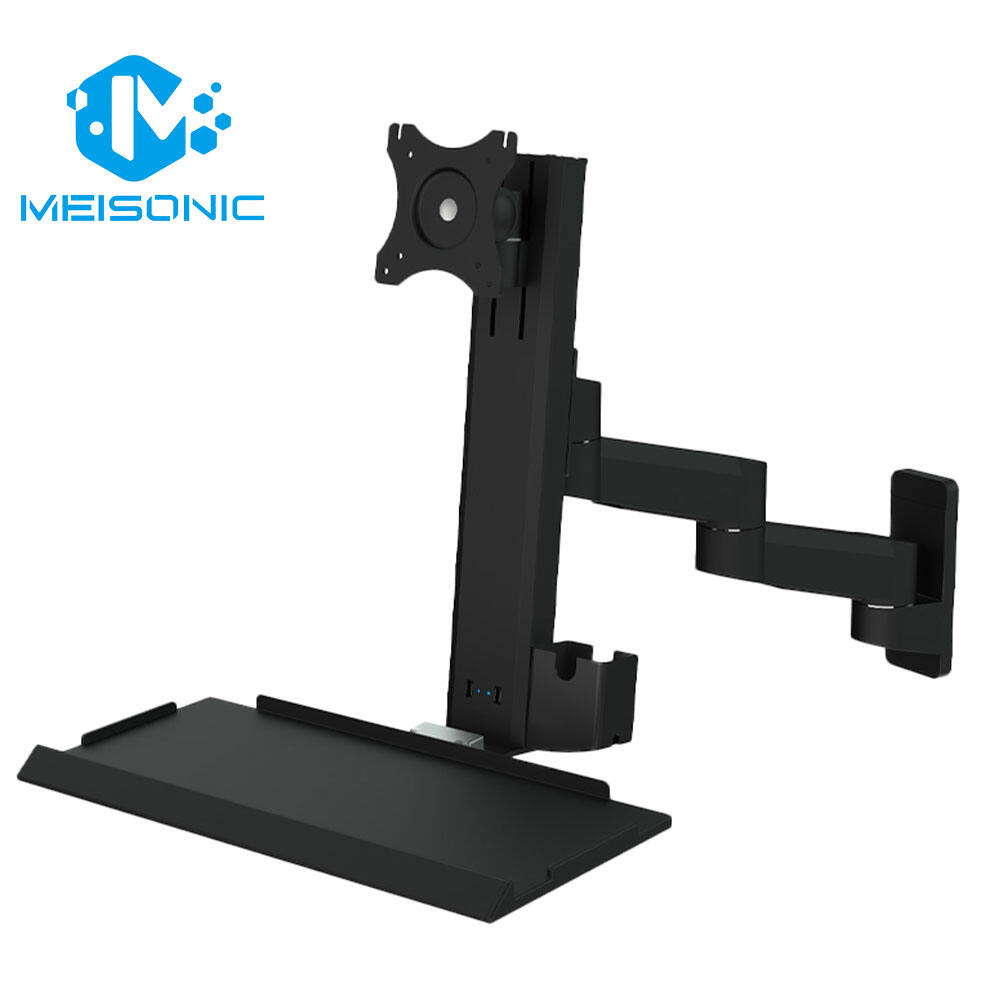
Ergonomic considerations for monitor mounts for cleanroom workstations must balance operational efficiency with contamination prevention. Gas spring mechanisms provide smooth, effortless adjustment while minimizing particle generation compared to mechanical spring systems. The adjustment range should accommodate various operator heights and working positions while maintaining monitor stability during critical tasks. Sealed adjustment mechanisms prevent lubricant migration and eliminate potential contamination sources within the cleanroom environment.
The range of motion capabilities should support both seated and standing work positions, accommodating different shift patterns and operational requirements. Quality monitor mounts for cleanroom workstations feature precise positioning controls that allow operators to achieve optimal viewing angles without compromising sterile technique or workflow efficiency. Consider models with position memory features or standardized adjustment points to ensure consistent ergonomic positioning across multiple workstations and operators.
Integration with Cleanroom Furniture Systems
Successful integration of monitor mounts for cleanroom workstations requires careful consideration of existing furniture systems and workflow patterns. Modular mounting systems offer flexibility for future reconfiguration while maintaining consistent contamination control standards. The mounting interface should accommodate standard cleanroom bench systems while providing secure attachment points that distribute loads evenly across the work surface.
Cable management integration becomes particularly critical in cleanroom applications where exposed wiring can create contamination risks and cleaning challenges. Integrated cable routing systems within the mount structure eliminate external cable runs while maintaining necessary flexibility for monitor positioning. This integration approach supports the overall cleanroom design philosophy of minimizing contamination accumulation points while maintaining operational functionality.
Cleaning and Sterilization Compatibility
Chemical Resistance Requirements
The chemical resistance profile of monitor mounts for cleanroom workstations must align with your facility's established cleaning and sterilization protocols. Different cleanroom classifications and industry sectors utilize varying disinfectant concentrations and sterilization methods that can impact material selection and design features. Isopropyl alcohol, hydrogen peroxide, quaternary ammonium compounds, and phenolic disinfectants each present specific material compatibility challenges that must be addressed during the selection process.
Long-term exposure to cleaning chemicals can cause stress corrosion cracking, surface discoloration, or mechanical degradation in unsuitable materials. Quality monitor mounts for cleanroom workstations undergo comprehensive chemical compatibility testing to validate performance under realistic cleaning protocols. Documentation of these test results supports facility validation requirements and provides confidence in long-term performance under operational conditions.
Validation and Documentation Requirements
Regulatory compliance in pharmaceutical, biotechnology, and medical device manufacturing requires extensive documentation of equipment validation procedures. Monitor mounts for cleanroom workstations must support these validation requirements through comprehensive material certificates, surface finish specifications, and cleaning validation protocols. The manufacturer should provide detailed cleaning procedures that have been validated for effectiveness against relevant contamination risks.
Installation qualification and operational qualification procedures for monitor mounts for cleanroom workstations should include verification of material compatibility, cleaning effectiveness, and particle generation testing. These validation activities ensure that the selected mounting solution supports overall facility compliance while providing documented evidence for regulatory inspections. Proper documentation also facilitates change control procedures when equipment modifications or replacements become necessary.
Installation and Maintenance Considerations
Mounting Configuration Options
The mounting configuration for monitor mounts for cleanroom workstations significantly impacts both installation complexity and ongoing maintenance requirements. Wall-mounted systems eliminate floor contact points that could complicate cleaning procedures while providing stable support for heavy monitor configurations. Desk-mounted options offer greater flexibility for reconfiguration but require careful integration with cleanroom furniture systems to maintain contamination control.
Ceiling-suspended mounting systems represent an advanced option for monitor mounts for cleanroom workstations in applications requiring maximum floor space flexibility. These systems integrate with cleanroom ceiling grid systems while providing extensive positioning capabilities. However, ceiling mounting requires careful consideration of structural loads, seismic requirements, and integration with HVAC systems to maintain proper air flow patterns within the controlled environment.
Preventive Maintenance Protocols
Preventive maintenance procedures for monitor mounts for cleanroom workstations must be designed to minimize contamination risks while ensuring reliable operation. Sealed bearing systems and self-lubricating components reduce maintenance requirements while preventing lubricant migration into the cleanroom environment. Regular inspection protocols should focus on mechanical integrity, surface condition, and cleaning effectiveness rather than traditional lubrication-based maintenance approaches.
Maintenance scheduling should align with facility cleaning cycles and production schedules to minimize operational disruptions. Quality monitor mounts for cleanroom workstations feature design elements that facilitate rapid inspection and component replacement when necessary. The availability of replacement parts and technical support becomes particularly important in regulated environments where equipment downtime can impact production schedules and compliance requirements.
Cost-Benefit Analysis and Return on Investment
Total Cost of Ownership Evaluation
Evaluating the total cost of ownership for monitor mounts for cleanroom workstations extends beyond initial purchase price to encompass installation costs, validation expenses, maintenance requirements, and potential replacement costs. Higher-quality mounting solutions often provide superior long-term value through reduced maintenance needs, extended service life, and better compliance support. The cost analysis should include consideration of productivity impacts from ergonomic improvements and reduced equipment downtime.
Energy efficiency considerations may also factor into the cost analysis for monitor mounts for cleanroom workstations, particularly in applications involving heating or cooling of the mounting system. Thermal management capabilities can reduce HVAC loads while maintaining temperature control within critical work zones. These efficiency gains can provide measurable cost savings over the equipment lifecycle while supporting overall facility sustainability objectives.
Compliance and Risk Management Value
The risk management value of properly selected monitor mounts for cleanroom workstations includes reduced contamination risks, improved regulatory compliance, and enhanced operational reliability. Quality mounting systems support consistent cleaning validation results while reducing the risk of equipment-related contamination events. This reliability translates to reduced production risks, fewer quality issues, and improved regulatory inspection outcomes.
Investment in appropriate monitor mounts for cleanroom workstations also supports workforce safety and ergonomic compliance requirements. Reduced injury risks, improved operator comfort, and enhanced productivity contribute to the overall return on investment while supporting corporate safety objectives. These benefits often justify premium pricing for specialized cleanroom mounting solutions compared to standard commercial alternatives.
FAQ
What material specifications are most important for monitor mounts in pharmaceutical cleanrooms?
Pharmaceutical cleanroom monitor mounts should feature 316L stainless steel construction with electropolished surfaces to achieve Ra values below 0.8 micrometers. The material must demonstrate compatibility with common pharmaceutical disinfectants including isopropyl alcohol, hydrogen peroxide, and quaternary ammonium compounds. All wetted surfaces should be free of crevices, dead legs, or areas where contamination could accumulate, and the mounting system should include comprehensive material certifications supporting USP Class VI biocompatibility requirements.
How do cleanroom classification levels affect monitor mount selection criteria?
Higher cleanroom classifications (ISO Class 5 and above) require monitor mounts with minimal particle generation potential, sealed mechanisms, and surfaces that support aggressive cleaning protocols. ISO Class 5 environments typically require fully sealed gas spring systems and electropolished stainless steel surfaces, while lower classifications may accommodate alternative materials with appropriate surface treatments. The selection criteria should align with the specific particle count limits and air change rates established for each cleanroom classification level.
What validation documentation should be expected from monitor mount manufacturers?
Comprehensive validation documentation should include material certificates of compliance, surface finish verification reports, chemical compatibility test results, and validated cleaning procedures. Manufacturers should provide Installation Qualification and Operational Qualification protocols, particle generation test data, and cleaning validation studies demonstrating effectiveness against relevant microorganisms. Additional documentation may include seismic qualification certificates, electromagnetic compatibility reports, and change control procedures for design modifications.
How should monitor mounts integrate with existing cleanroom HVAC and contamination control systems?
Monitor mount installation should maintain proper air flow patterns without creating turbulence or dead air zones that could compromise contamination control. Wall-mounted systems should integrate with cleanroom wall panels without penetrating vapor barriers, while ceiling-mounted options must coordinate with HVAC diffuser locations and return air pathways. The mounting design should minimize horizontal surfaces where particles could accumulate and should not interfere with room pressurization or air change effectiveness throughout the controlled workspace.
Table of Contents
- Material Selection and Contamination Control Requirements
- Ergonomic Design and Operational Flexibility
- Cleaning and Sterilization Compatibility
- Installation and Maintenance Considerations
- Cost-Benefit Analysis and Return on Investment
-
FAQ
- What material specifications are most important for monitor mounts in pharmaceutical cleanrooms?
- How do cleanroom classification levels affect monitor mount selection criteria?
- What validation documentation should be expected from monitor mount manufacturers?
- How should monitor mounts integrate with existing cleanroom HVAC and contamination control systems?