 EN
EN


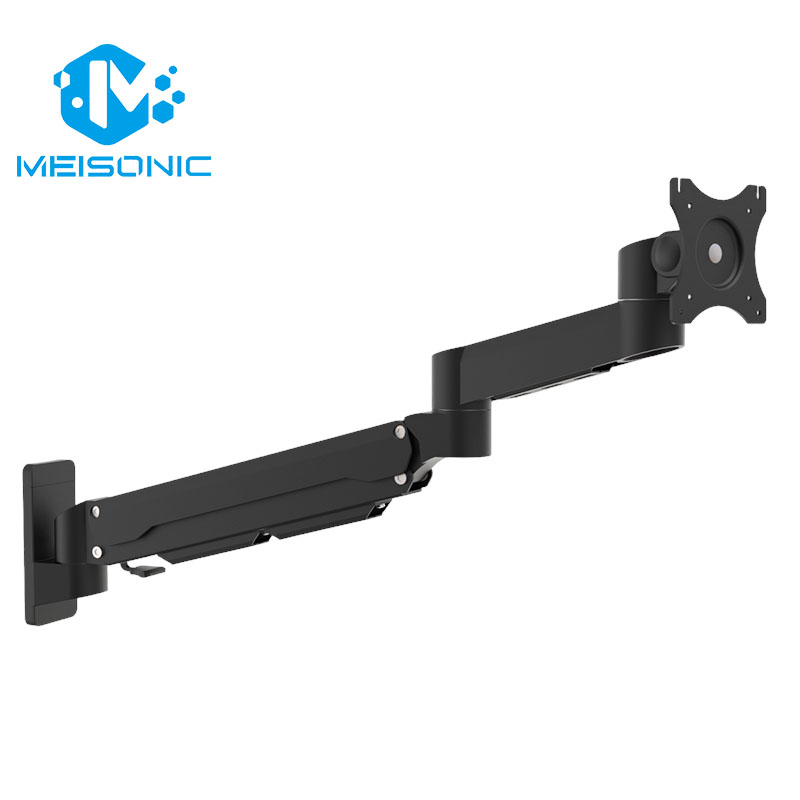
Selecting appropriate VESA mount solutions for industrial PCs operating in challenging environments requires careful consideration of multiple technical and operational factors. Unlike standard office computing setups, industrial environments present unique challenges including extreme temperatures, vibration, dust, moisture, and space constraints that directly impact the performance and longevity of mounting systems. The right VESA mount solutions must not only secure industrial computers effectively but also maintain accessibility for maintenance while withstanding harsh conditions that would compromise lesser mounting systems.
Industrial PC deployment demands mounting solutions that go beyond basic VESA compatibility to address environmental resilience, thermal management, and operational accessibility. The selection process involves evaluating load-bearing capacity, environmental sealing standards, material composition, and integration requirements specific to industrial applications. Understanding these critical selection criteria ensures optimal performance, reduced downtime, and extended equipment lifespan in demanding operational environments where failure is not an option.
Understanding Industrial Environment Challenges for VESA Mount Solutions
Temperature Extremes and Thermal Management Requirements
Industrial environments frequently expose VESA mount solutions to temperature variations that exceed standard office equipment specifications. Manufacturing facilities, outdoor installations, and process control environments can experience temperatures ranging from sub-zero conditions to extreme heat, requiring mounting systems designed with thermal expansion coefficients that maintain structural integrity across these ranges. The mounting hardware must accommodate thermal cycling without compromising connection stability or introducing mechanical stress that could lead to failure over time.
Thermal management considerations extend beyond ambient temperature exposure to include heat dissipation from industrial PCs themselves. VESA mount solutions in industrial settings must facilitate adequate airflow around mounted equipment while maintaining secure positioning. This requirement often influences the selection of mounting arm designs, spacing configurations, and material choices that promote heat transfer away from critical components. Proper thermal management through appropriate VESA mount solutions directly impacts industrial PC performance and operational reliability.
Material selection for industrial VESA mount solutions must account for thermal expansion properties and long-term stability under temperature stress. Aluminum alloys and steel components with appropriate surface treatments provide the thermal conductivity and expansion characteristics necessary for stable mounting in temperature-variable environments. The mounting system design should incorporate thermal breaks or expansion joints where necessary to prevent stress concentration that could compromise structural integrity during thermal cycling.
Vibration and Shock Resistance Specifications
Industrial environments subject VESA mount solutions to vibration profiles significantly more severe than typical commercial applications. Machinery operation, transportation systems, and process equipment generate continuous vibration and intermittent shock loads that can compromise mounting stability if not properly addressed. The selection criteria must include vibration dampening capabilities and shock absorption characteristics appropriate to the specific industrial environment where deployment will occur.
Resonance frequency considerations play a critical role in VESA mount solutions selection for vibration-prone environments. The mounting system's natural frequency must be designed to avoid resonance with prevalent machinery vibration frequencies that could amplify motion and compromise equipment stability. This engineering requirement often necessitates specialized mounting designs with vibration isolation elements or tuned dampening characteristics specific to the operational environment.
Connection security under dynamic loading conditions requires VESA mount solutions with locking mechanisms and fastening systems that maintain integrity despite continuous vibration exposure. Thread-locking compounds, spring washers, and mechanical locking features become essential components in industrial mounting applications where standard fastening methods may loosen over time due to vibration-induced backing out of threaded connections.
Critical Selection Criteria for Industrial VESA Mount Solutions
Load Capacity and Structural Design Requirements
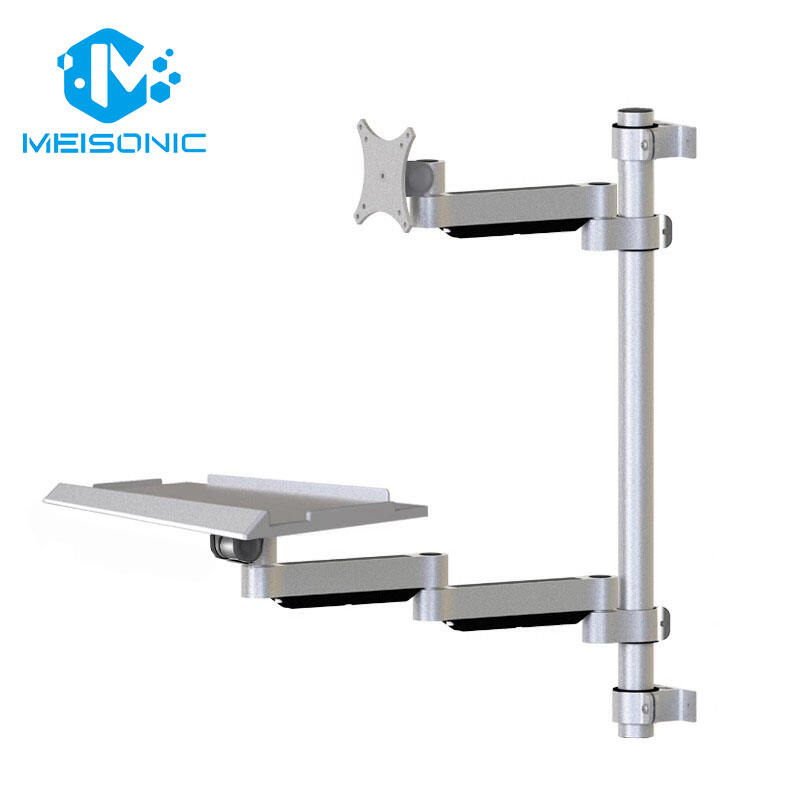
Determining appropriate load capacity for VESA mount solutions in industrial applications requires comprehensive analysis of both static and dynamic loading conditions. Industrial PCs often feature ruggedized construction with increased weight compared to standard computers, and the mounting system must accommodate not only the base equipment weight but also additional accessories, cables, and potential shock loading from environmental conditions. Safety factors for industrial applications typically exceed standard commercial requirements due to the critical nature of industrial operations.
Structural design considerations for industrial VESA mount solutions include material thickness, joint design, and load distribution characteristics that ensure long-term reliability under continuous operation. The mounting system architecture must distribute loads effectively across mounting points while maintaining adjustability for operational needs. Finite element analysis and engineering calculations become crucial tools in validating that selected VESA mount solutions meet structural requirements for specific industrial applications.
Dynamic loading considerations extend beyond equipment weight to include forces generated by operational activities, maintenance access requirements, and potential impact scenarios. Industrial environments may subject mounted equipment to lateral forces, rotational moments, and impact loads that require mounting systems designed with appropriate strength margins and deflection limits. The selection process must evaluate these dynamic loading scenarios to ensure mounting system adequacy throughout the operational lifecycle.
Environmental Sealing and Corrosion Protection Standards
Industrial environments often expose VESA mount solutions to moisture, dust, chemicals, and corrosive atmospheres that can compromise mounting system integrity over time. The selection criteria must include appropriate Ingress Protection ratings and corrosion resistance specifications that match environmental exposure conditions. Standard office-grade mounting hardware typically lacks the environmental protection necessary for industrial deployment, requiring specialized industrial-grade solutions.
Corrosion protection requirements vary significantly based on specific industrial environments, with chemical processing, marine applications, and outdoor installations presenting distinct challenges for VESA mount solutions. Surface treatments such as anodizing, powder coating, and galvanizing provide different levels of protection, and the selection process must match coating specifications to anticipated exposure conditions. Galvanic compatibility between dissimilar metals in mounting assemblies becomes critical in corrosive environments to prevent accelerated degradation.
Sealing effectiveness for VESA mount solutions includes not only the mounting hardware itself but also cable management and connection points that could provide ingress paths for contaminants. Gasket materials, seal designs, and environmental barriers must be integrated into the mounting system to maintain protection integrity over time. Regular maintenance and inspection protocols become essential elements in preserving environmental protection effectiveness throughout the operational lifecycle.
Material Selection and Construction Considerations
Metal Alloy Performance in Industrial Conditions
Material selection for industrial VESA mount solutions requires careful evaluation of strength-to-weight ratios, environmental resistance, and long-term stability characteristics. Aluminum alloys offer excellent corrosion resistance and thermal management properties while maintaining adequate strength for most industrial mounting applications. The specific alloy selection within the aluminum family can significantly impact performance, with 6061-T6 and 7075-T6 alloys providing different combinations of strength, corrosion resistance, and machinability for specialized applications.
Steel construction for VESA mount solutions provides superior strength characteristics necessary for heavy-duty industrial applications but requires appropriate surface protection to prevent corrosion in challenging environments. Stainless steel grades such as 304 and 316 offer enhanced corrosion resistance while maintaining structural integrity, though at increased material cost compared to carbon steel alternatives. The selection between steel and aluminum construction often depends on specific load requirements, environmental conditions, and economic considerations for the particular industrial application.
Composite materials and engineered plastics provide alternative solutions for specific industrial VESA mount solutions where metal construction may be unsuitable due to electrical isolation requirements or chemical compatibility concerns. Glass-filled nylon, carbon fiber composites, and engineered thermoplastics can offer excellent environmental resistance and adequate strength for lighter industrial PC applications while providing electrical isolation and reduced thermal conductivity where these characteristics are advantageous.
Surface Treatment and Protective Coating Systems
Surface treatment selection for industrial VESA mount solutions must address both corrosion protection and aesthetic durability under harsh environmental conditions. Anodizing treatments for aluminum components provide excellent corrosion resistance and wear protection while maintaining dimensional accuracy and surface quality. The anodizing process can be customized with different thickness specifications and color options to meet specific application requirements while providing long-term protection effectiveness.
Powder coating systems offer versatile protection for both aluminum and steel VESA mount solutions with excellent adhesion, impact resistance, and chemical compatibility characteristics. The powder coating process allows for precise color matching, texture control, and film thickness optimization to meet specific environmental protection requirements. Proper surface preparation and curing processes are critical for achieving optimal coating performance and long-term durability in industrial environments.
Specialized coating systems such as ceramic-filled epoxies, fluoropolymer finishes, and multi-layer protection systems provide enhanced performance for extreme industrial environments where standard coating systems may be inadequate. These advanced coating technologies offer superior chemical resistance, thermal stability, and mechanical durability but typically require specialized application processes and increased cost consideration in the selection process for VESA mount solutions.
Installation and Maintenance Accessibility Requirements
Mounting Configuration and Adjustment Capabilities
Industrial VESA mount solutions must provide appropriate adjustment capabilities to accommodate operational requirements while maintaining security and stability under demanding conditions. Tilt adjustment ranges, swivel capabilities, and height positioning options should align with specific application needs without compromising structural integrity or introducing potential failure modes. The adjustment mechanisms must function reliably throughout the operational lifecycle despite exposure to industrial environmental conditions.
Locking mechanisms for adjustable VESA mount solutions require special attention in industrial applications where vibration and operational stresses could cause unwanted movement or position drift over time. Positive locking systems with mechanical advantage and fail-safe characteristics ensure maintained positioning despite dynamic loading conditions. The locking mechanisms should be accessible for adjustment while providing secure positioning that prevents inadvertent movement during operation.
Cable management integration within VESA mount solutions becomes critical in industrial environments where cable protection and organization directly impact system reliability and maintenance accessibility. The mounting system should accommodate cable routing requirements while protecting connections from environmental exposure and mechanical damage. Integrated cable management features reduce installation complexity and improve long-term reliability by preventing cable-related failures in demanding industrial environments.
Maintenance Access and Serviceability Features
Industrial operations require VESA mount solutions that facilitate efficient maintenance and service access while maintaining equipment security and operational continuity. Quick-release mechanisms, swing-away mounting options, and modular construction features enable rapid access to mounted equipment for routine maintenance, component replacement, and troubleshooting activities. The balance between security and accessibility must be carefully optimized for specific industrial operational requirements.
Tool requirements for maintenance activities should be minimized and standardized where possible to reduce complexity and improve service efficiency. VESA mount solutions designed with common fastener types and tool requirements enable faster maintenance response and reduce the likelihood of service delays due to specialized tool availability. Captive fasteners and quarter-turn mechanisms can significantly improve serviceability while maintaining assembly security in appropriate applications.
Documentation and labeling systems for industrial VESA mount solutions should provide clear identification of adjustment points, maintenance requirements, and safety considerations relevant to the specific installation. Permanent marking systems and integrated documentation holders ensure that critical information remains available throughout the operational lifecycle despite harsh environmental conditions that might damage paper-based documentation systems.
Integration with Industrial Safety and Compliance Standards
Electrical Safety and Isolation Requirements
Industrial environments often require VESA mount solutions to maintain electrical isolation between mounted equipment and facility infrastructure to prevent ground loops, electrical interference, and safety hazards. The mounting system design must incorporate appropriate isolation materials and techniques while maintaining structural integrity and environmental protection effectiveness. Electrical isolation requirements vary significantly based on specific industrial applications and local electrical codes.
Grounding and bonding considerations for industrial VESA mount solutions require careful attention to electrical continuity requirements and equipotential bonding needs within facility electrical systems. The mounting hardware may need to provide controlled electrical paths for safety grounding while preventing unwanted current paths that could cause interference or safety hazards. Coordination with facility electrical design ensures proper integration of mounting systems within overall electrical safety systems.
EMC compliance requirements for industrial installations may influence VESA mount solutions selection where electromagnetic compatibility considerations require specific material choices or design features. Conductive mounting systems can provide shielding effectiveness for sensitive equipment, while non-conductive mounting solutions may be necessary to prevent EMC coupling in specific applications. The mounting system contribution to overall EMC performance should be evaluated as part of the system-level compliance strategy.
Regulatory Compliance and Industry Standards
Industrial VESA mount solutions must comply with relevant industry standards and regulatory requirements specific to the operational environment and application. UL listing, CE marking, and industry-specific certifications ensure that mounting systems meet established safety and performance criteria for industrial deployment. The certification requirements may vary based on geographic location, industry sector, and specific application characteristics that influence regulatory oversight.
Seismic and structural building code compliance becomes critical for VESA mount solutions in installations subject to earthquake loading or specific structural design requirements. The mounting system must be designed and installed to meet applicable building codes and seismic design criteria while maintaining functionality under specified loading conditions. Professional engineering analysis may be required to validate compliance with applicable structural and seismic requirements for critical industrial installations.
Industry-specific compliance requirements such as FDA validation for pharmaceutical applications, ATEX certification for explosive atmospheres, or nuclear qualification for power generation facilities may impose additional design and testing requirements on VESA mount solutions. These specialized compliance requirements often necessitate custom mounting solutions or specialized certification processes that extend beyond standard commercial product offerings to ensure regulatory compliance in specific industrial sectors.
FAQ
What load capacity should I consider when selecting VESA mount solutions for industrial PCs?
Industrial PC load capacity requirements typically exceed standard commercial applications due to ruggedized construction and additional environmental protection features. You should evaluate both static equipment weight and dynamic loading from vibration, shock, and operational forces. A safety factor of 3:1 or higher is recommended for critical industrial applications, meaning the mounting system should support at least three times the actual equipment weight to ensure reliable long-term operation under demanding conditions.
How do environmental sealing requirements affect VESA mount solutions selection for industrial use?
Environmental sealing requirements directly influence material selection, joint design, and protective coating specifications for industrial VESA mount solutions. Applications exposed to dust, moisture, chemicals, or corrosive atmospheres require mounting systems with appropriate IP ratings and corrosion-resistant materials. The sealing effectiveness must extend to all connection points, cable entries, and adjustment mechanisms to maintain protection integrity throughout the operational lifecycle in challenging industrial environments.
What adjustment and accessibility features are most important for industrial VESA mount solutions?
Industrial VESA mount solutions should provide necessary positioning adjustments while maintaining secure locking under dynamic loading conditions. Key features include positive locking mechanisms for tilt and swivel adjustments, integrated cable management systems, and quick-access provisions for maintenance activities. The adjustment mechanisms must function reliably despite exposure to industrial environmental conditions while providing the positioning flexibility required for optimal equipment operation and maintenance access.
How do material choices impact the long-term performance of VESA mount solutions in industrial environments?
Material selection significantly affects the durability, maintenance requirements, and overall lifecycle cost of industrial VESA mount solutions. Aluminum alloys provide excellent corrosion resistance and thermal management properties for most applications, while steel construction offers superior strength for heavy-duty requirements. Surface treatments such as anodizing or powder coating enhance environmental protection and appearance retention. The material choice should align with specific environmental exposure conditions, load requirements, and maintenance capabilities to optimize long-term performance and reliability.
Table of Contents
- Understanding Industrial Environment Challenges for VESA Mount Solutions
- Critical Selection Criteria for Industrial VESA Mount Solutions
- Material Selection and Construction Considerations
- Installation and Maintenance Accessibility Requirements
- Integration with Industrial Safety and Compliance Standards
-
FAQ
- What load capacity should I consider when selecting VESA mount solutions for industrial PCs?
- How do environmental sealing requirements affect VESA mount solutions selection for industrial use?
- What adjustment and accessibility features are most important for industrial VESA mount solutions?
- How do material choices impact the long-term performance of VESA mount solutions in industrial environments?