
 EN
EN


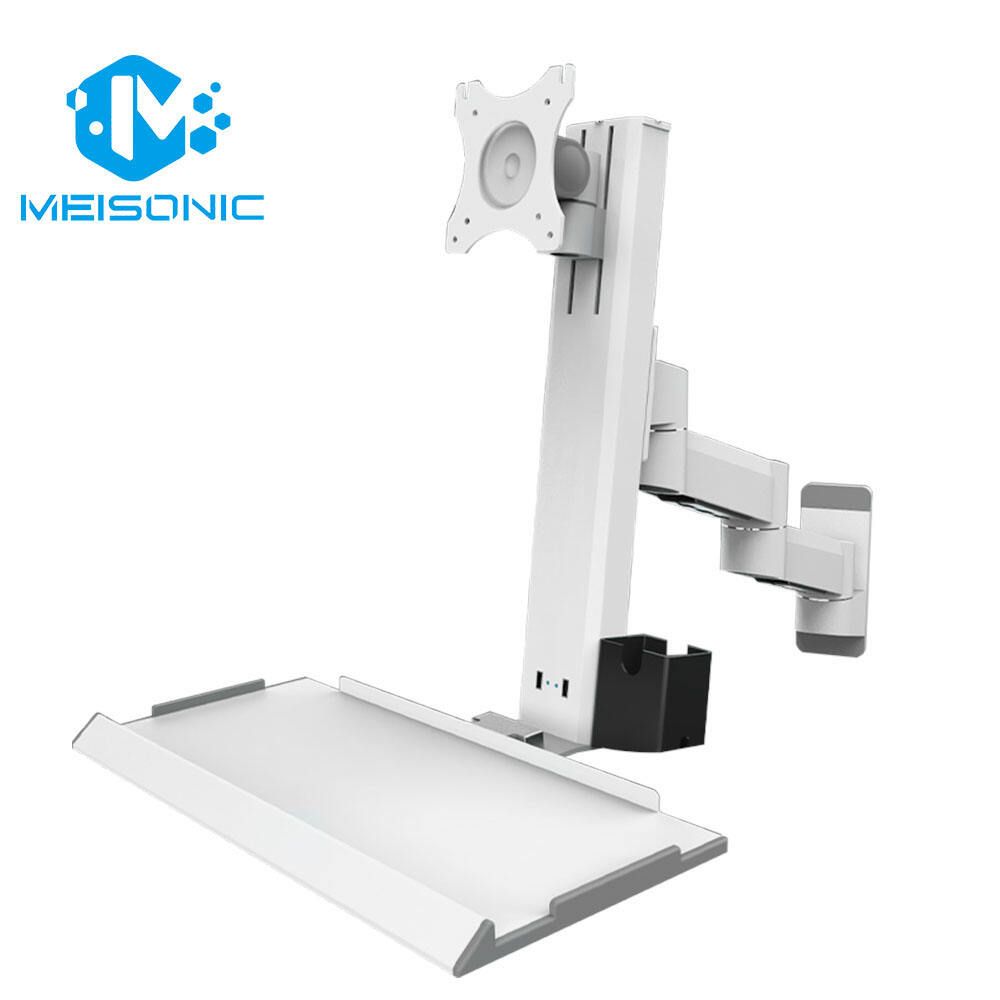
Modern CNC machining operations demand precise control and constant monitoring, making operator efficiency and comfort critical factors in productivity. Monitor arms for CNC machines represent a specialized ergonomic solution designed to optimize workspace organization while reducing operator fatigue during extended production runs. These industrial-grade mounting systems address the unique challenges of CNC environments, where operators must simultaneously monitor multiple displays, control interfaces, and machine parameters throughout their shifts.
The implementation of properly designed monitor arms for CNC machines transforms traditional static workstations into dynamic, adaptable control centers that respond to individual operator needs and varying operational requirements. By enabling precise positioning and smooth adjustment of display screens, these mounting systems eliminate the ergonomic compromises that often plague fixed monitor setups in industrial environments. Understanding how these specialized arms enhance both efficiency and comfort requires examining their mechanical design principles, workplace integration strategies, and measurable impact on operational outcomes.
Ergonomic Design Principles Behind CNC Monitor Arms
Adjustability Range and Movement Mechanics
Monitor arms for CNC machines incorporate sophisticated mechanical systems that provide multi-axis adjustment capabilities essential for accommodating diverse operator preferences and task requirements. These systems typically feature height adjustment ranges spanning 200-400mm, allowing operators to position displays at optimal eye levels regardless of standing or seated work positions. The horizontal reach extension, often exceeding 600mm, enables operators to pull monitors closer during detailed programming tasks or push them back when accessing machine controls directly.
The rotational capabilities of quality monitor arms for CNC machines include 360-degree swivel functionality at multiple pivot points, ensuring operators can orient displays for optimal viewing angles during different phases of the machining process. Tilt mechanisms provide precise angular adjustment, typically offering +15 to -15 degree ranges that accommodate various operator heights and seating configurations. These adjustment ranges prove particularly valuable in CNC environments where operators frequently transition between programming, monitoring, and machine tending activities.
Spring-loaded counterbalancing systems within monitor arms for CNC machines ensure smooth, effortless positioning adjustments while maintaining stable support for displays weighing up to 10-15 kilograms. This counterbalancing technology prevents display drift and maintains precise positioning even in environments subject to machine vibration and operational movement. The mechanical advantage provided by gas spring systems reduces the physical effort required for monitor repositioning, enabling frequent adjustments without operator strain.
Industrial Environment Adaptations
CNC machining environments present unique challenges that require specialized adaptations in monitor arm design and construction. Monitor arms for CNC machines must withstand exposure to cutting fluids, metal particles, and temperature variations while maintaining consistent performance throughout extended production cycles. Industrial-grade finishes, including powder coating and anodized surfaces, provide corrosion resistance and ease of cleaning essential for maintaining sanitary workspace conditions.
Vibration isolation features within monitor arms for CNC machines prevent machine-generated oscillations from affecting display stability and operator visual comfort. Dampening mechanisms incorporated into mounting joints absorb high-frequency vibrations while maintaining structural rigidity necessary for precise monitor positioning. These isolation systems prove particularly important in high-speed machining operations where cutting forces generate significant machine movement.
Cable management systems integrated into monitor arms for CNC machines protect electrical connections from contamination while maintaining organized wire routing throughout the full range of arm movement. Enclosed cable channels prevent exposure to cutting fluids and debris while allowing unrestricted monitor positioning. These management systems reduce maintenance requirements and eliminate safety hazards associated with loose cables in active machining environments.
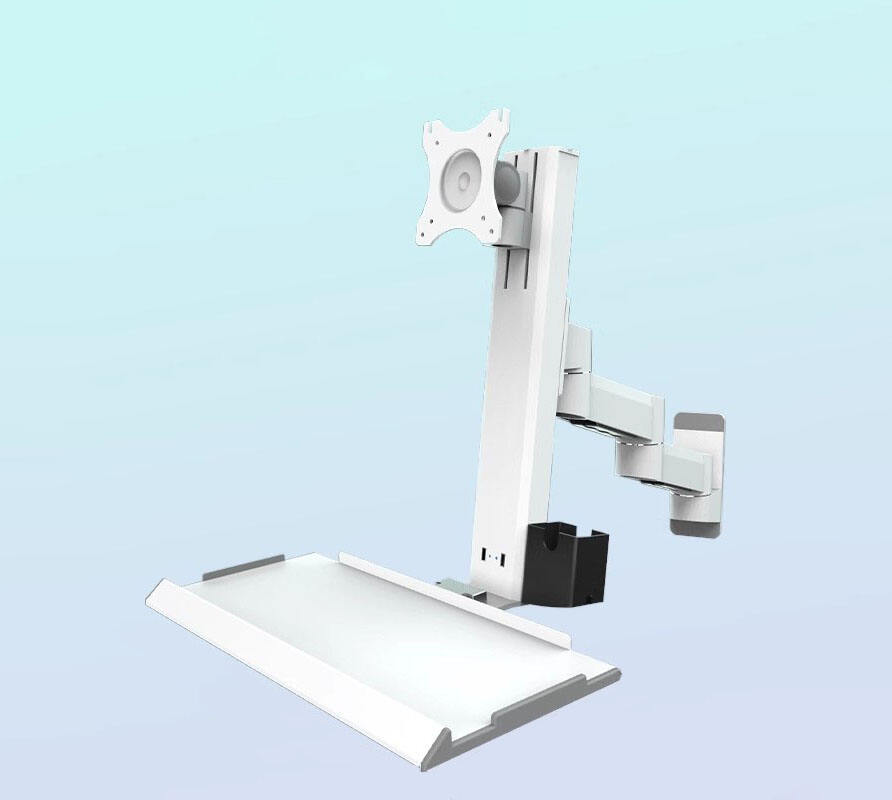
Efficiency Enhancement Through Optimized Display Positioning
Multi-Screen Coordination and Workflow Integration
Modern CNC operations frequently require simultaneous monitoring of multiple information sources, including machine status displays, part programs, quality control data, and production scheduling systems. Monitor arms for CNC machines enable efficient multi-screen arrangements that optimize information accessibility while minimizing operator movement and attention shifting. Strategic positioning of primary and secondary displays reduces cognitive load and accelerates decision-making processes during complex machining sequences.
The ability to precisely angle and position multiple monitors allows operators to create personalized information hierarchies that align with their workflow patterns and visual preferences. Critical real-time data can be positioned within the operator's primary field of view, while reference information and secondary controls remain easily accessible through minor head movements. This optimized arrangement reduces the time required for information gathering and improves response times during process adjustments or problem-solving situations.
Monitor arms for CNC machines facilitate seamless integration with existing control systems and interface devices, enabling operators to maintain visual contact with critical information while manipulating machine controls. The elimination of physical barriers between operators and their information sources reduces the potential for errors caused by incomplete situational awareness or delayed responses to changing process conditions.
Task-Specific Display Optimization
Different phases of CNC operation require distinct information presentation and interaction patterns that benefit from customized display positioning. During part program development and editing, operators benefit from close monitor positioning and perpendicular viewing angles that reduce eye strain during detailed text and code review. Setup and tooling operations require broader viewing angles that allow simultaneous monitoring of multiple system parameters while maintaining accessibility to manual controls.
Production monitoring phases benefit from monitor positioning that enables peripheral awareness of system status while maintaining primary focus on machining operations and part quality. Monitor arms for CNC machines allow rapid transition between these different positioning requirements without compromising stability or requiring complex readjustment procedures. The speed and ease of these transitions directly impact overall operational efficiency by reducing setup time and minimizing workflow interruptions.
Quality control and inspection activities require monitor positioning that facilitates comparison between digital specifications and physical measurements while maintaining comfortable viewing conditions during extended inspection periods. The flexibility provided by adjustable monitor arms for CNC machines enables operators to optimize display positioning for these varied tasks without compromising workspace organization or ergonomic comfort.
Operator Comfort Improvements and Fatigue Reduction
Postural Support and Musculoskeletal Health
Extended CNC operation shifts place significant demands on operator postural systems, particularly affecting neck, shoulder, and back regions through prolonged static positioning and repetitive movement patterns. Monitor arms for CNC machines address these challenges by enabling display positioning that maintains neutral spine alignment and reduces muscular tension throughout work periods. Proper monitor height adjustment eliminates the need for forward head posture and excessive cervical extension that commonly develops with fixed monitor installations.
The ability to position monitors at appropriate distances reduces accommodation stress on the visual system while supporting relaxed shoulder positioning during extended viewing periods. Monitor arms for CNC machines enable operators to maintain optimal viewing distances between 500-700mm, depending on display size and individual visual requirements. This distance optimization reduces both visual fatigue and the tendency toward forward postural drift that occurs when operators lean toward inadequately positioned displays.
Rotational adjustment capabilities allow operators to alternate between different viewing angles throughout their shifts, preventing the static loading patterns that contribute to cumulative musculoskeletal stress. The ease of position adjustment encourages micro-breaks in postural positioning that support circulation and reduce muscle tension without interrupting workflow continuity.
Visual Comfort and Cognitive Performance
Optimal display positioning significantly impacts visual comfort and cognitive performance during demanding CNC operations that require sustained attention and precise visual discrimination. Monitor arms for CNC machines enable positioning that minimizes glare, reflections, and visual distractions while maximizing contrast and readability under varying ambient lighting conditions. The ability to adjust display angles relative to overhead lighting and window positions reduces eye strain and supports sustained visual performance.
Proper monitor positioning reduces the frequency of accommodation changes required as operators shift attention between displays and physical workspace elements. Monitor arms for CNC machines allow positioning that maintains consistent focal distances across primary work zones, reducing the visual fatigue associated with frequent focus adjustments. This consistency particularly benefits operators who must frequently reference detailed technical drawings, part specifications, and measurement data.
The psychological comfort associated with personalized workspace control contributes to improved job satisfaction and sustained performance levels throughout extended shifts. Monitor arms for CNC machines provide operators with immediate control over their visual environment, reducing frustration and supporting positive workplace attitudes that translate into improved productivity and quality outcomes.
Implementation Strategies and Workspace Integration
Mounting System Selection and Installation
Successful implementation of monitor arms for CNC machines requires careful evaluation of existing workspace configurations, structural support requirements, and operator workflow patterns. Desk-mounted systems provide flexibility for workstations with adequate surface area and structural capacity, while wall-mounted configurations offer solutions for space-constrained environments or shared workstation arrangements. The selection process must consider weight distribution, adjustment range requirements, and integration with existing control panels and interface devices.
Installation planning for monitor arms for CNC machines involves assessment of utility routing, including power, data, and control signal pathways that must remain functional throughout the full range of arm movement. Proper installation ensures that monitor positioning adjustments do not create tension or stress on electrical connections while maintaining signal integrity across all operational positions. Coordination with facility maintenance teams ensures installation procedures comply with safety requirements and electrical codes.
Structural analysis of mounting locations verifies adequate support capacity for dynamic loading conditions that occur during monitor positioning adjustments. Monitor arms for CNC machines generate leverage forces that can exceed static display weights by significant margins, particularly during extension and adjustment operations. Proper structural support prevents mounting point failure and maintains stable display positioning under all operational conditions.
Operator Training and Adaptation Protocols
Effective utilization of monitor arms for CNC machines requires structured training programs that introduce operators to adjustment mechanisms, optimal positioning principles, and maintenance requirements. Training protocols should emphasize the relationship between display positioning and ergonomic health while demonstrating proper adjustment techniques that maximize both comfort and efficiency benefits. Hands-on practice sessions allow operators to discover personal preferences and develop muscle memory for common positioning adjustments.
Adaptation periods following installation of monitor arms for CNC machines typically require 2-3 weeks as operators develop new positioning habits and optimize their workspace configurations. Management support during this transition period ensures that operators receive necessary assistance and adjustments while avoiding premature judgments about system effectiveness. Regular feedback collection during the adaptation period identifies common challenges and opportunities for additional training or system refinements.
Documentation of optimal positioning settings for different operators and task types supports consistent workspace configuration and reduces setup time when workstations are shared among multiple shifts. Monitor arms for CNC machines equipped with position indicators or memory systems facilitate rapid restoration of preferred configurations, supporting seamless shift transitions and maintaining productivity levels across different operator preferences.
FAQ
What weight capacity should I consider when selecting monitor arms for CNC machines?
Most monitor arms for CNC machines should support displays weighing between 8-15 kilograms to accommodate industrial-grade monitors commonly used in machining environments. Consider future display upgrades and select arms with 20-30% excess capacity beyond current requirements. Heavy-duty models supporting up to 20 kilograms provide additional versatility for larger displays or dual-monitor configurations that may be beneficial in complex CNC operations.
How do monitor arms for CNC machines handle vibration from machining operations?
Quality monitor arms for CNC machines incorporate vibration dampening mechanisms within their joint systems to isolate displays from machine-generated vibrations. Spring-loaded components and elastomeric dampeners absorb high-frequency oscillations while maintaining structural stability. Proper installation with secure mounting points further reduces vibration transmission, ensuring stable display viewing even during high-speed cutting operations or when multiple machines operate simultaneously.
Can monitor arms for CNC machines accommodate multiple display configurations?
Many monitor arms for CNC machines offer dual or triple display mounting capabilities through specialized bracket systems or modular mounting components. These configurations enable simultaneous positioning of primary control displays alongside secondary information screens or reference monitors. Multi-display arms maintain independent adjustment capabilities for each screen while sharing common mounting infrastructure, optimizing workspace efficiency without requiring multiple individual mounting systems.
What maintenance requirements do monitor arms for CNC machines have in industrial environments?
Monitor arms for CNC machines require periodic cleaning to remove accumulated cutting fluids, metal particles, and debris that can affect joint operation and adjustment mechanisms. Monthly inspection of mounting hardware, cable management systems, and pivot points ensures continued safe operation and prevents premature wear. Annual lubrication of adjustment mechanisms maintains smooth operation while extending service life in demanding industrial environments where contamination and temperature variations create additional stress on mechanical components.
Table of Contents
- Ergonomic Design Principles Behind CNC Monitor Arms
- Efficiency Enhancement Through Optimized Display Positioning
- Operator Comfort Improvements and Fatigue Reduction
- Implementation Strategies and Workspace Integration
-
FAQ
- What weight capacity should I consider when selecting monitor arms for CNC machines?
- How do monitor arms for CNC machines handle vibration from machining operations?
- Can monitor arms for CNC machines accommodate multiple display configurations?
- What maintenance requirements do monitor arms for CNC machines have in industrial environments?