 EN
EN


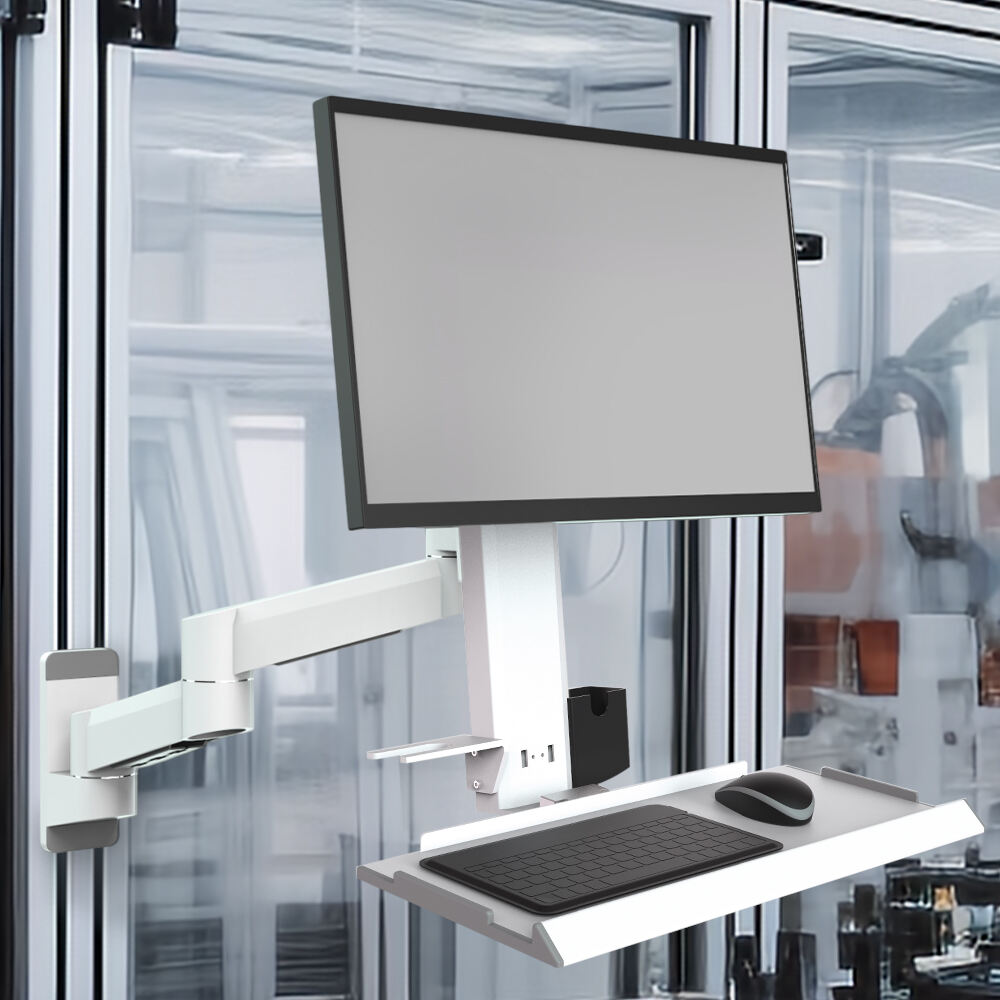
Medical equipment manufacturers face increasing pressure to optimize healthcare workplace environments while maintaining the highest standards of patient care and operational efficiency. Monitor mount solutions represent a critical infrastructure component that directly impacts workflow efficiency, ergonomic safety, and equipment longevity in medical facilities. These specialized mounting systems enable healthcare providers to position displays at optimal viewing angles, reduce workspace clutter, and create more flexible treatment environments that adapt to diverse clinical scenarios.
The implementation of strategic monitor mount solutions addresses multiple operational challenges simultaneously, from reducing repetitive strain injuries among medical staff to maximizing valuable floor space in constrained clinical environments. Medical equipment manufacturers must understand how these mounting systems integrate with broader facility design principles, regulatory compliance requirements, and long-term operational sustainability goals to deliver comprehensive solutions that enhance both immediate productivity and strategic business outcomes.
Workflow Enhancement Through Strategic Monitor Positioning
Eliminating Physical Barriers in Clinical Environments
Traditional desktop monitor configurations create significant workflow impediments in medical environments where space efficiency and rapid equipment access are paramount. Monitor mount solutions eliminate these barriers by positioning displays away from work surfaces, creating unobstructed access to medical equipment, patient records, and treatment tools. This strategic positioning enables healthcare providers to maintain visual contact with critical patient data while performing hands-on procedures, reducing the need for constant repositioning and movement between workstations.
The removal of physical monitor stands from work surfaces provides immediate space recovery that medical facilities can repurpose for essential medical equipment, documentation systems, or emergency supplies. This space optimization becomes particularly valuable in high-intensity environments such as emergency departments, intensive care units, and surgical preparation areas where every square inch of workspace contributes to operational efficiency and patient safety outcomes.
Multi-Display Integration for Complex Medical Workflows
Modern medical practices increasingly rely on multiple simultaneous data streams, including patient monitoring systems, electronic health records, imaging displays, and communication platforms. Monitor mount solutions enable the integration of multiple displays within a single operator's visual field, reducing the cognitive load associated with switching between different information sources and minimizing the physical movement required to access critical data during time-sensitive medical procedures.
These multi-display configurations support complex medical workflows that require simultaneous monitoring of patient vital signs, review of historical medical data, real-time communication with consulting specialists, and documentation of treatment procedures. Monitor mount solutions provide the structural foundation for these integrated information environments while maintaining the flexibility to reconfigure display arrangements based on specific procedure requirements or changing operational needs.
Dynamic Workspace Adaptation
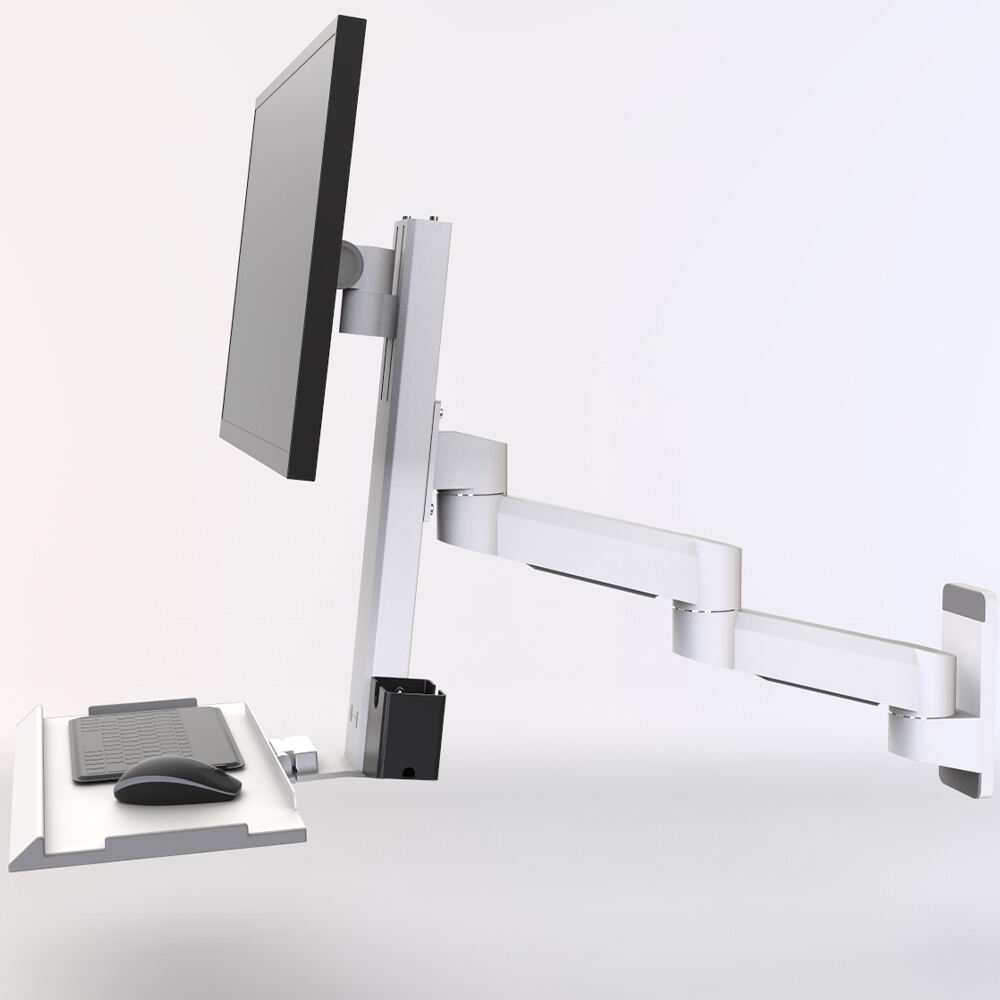
Medical environments require rapid adaptation to changing patient needs, emergency situations, and varying procedure requirements. Monitor mount solutions with articulating arms and adjustable positioning mechanisms enable healthcare providers to quickly reconfigure display arrangements without requiring technical assistance or equipment downtime. This adaptability supports diverse medical scenarios, from routine consultations requiring single-display configurations to complex surgical procedures demanding multiple specialized imaging displays.
The ability to adjust monitor positions dynamically also supports multi-user environments where different healthcare providers may require different viewing angles, heights, or display orientations based on their physical characteristics, role requirements, or specific medical procedures. Monitor mount solutions accommodate these varying needs while maintaining consistent access to critical patient information and medical systems throughout all configuration changes.
Ergonomic Safety and Long-Term Health Benefits
Reducing Musculoskeletal Strain in Healthcare Workers
Healthcare workers face significant occupational health risks related to prolonged computer use, repetitive movements, and poor workplace ergonomics. Monitor mount solutions address these risks by enabling optimal display positioning that reduces neck strain, eye fatigue, and repetitive reaching motions that contribute to long-term musculoskeletal disorders. Proper monitor positioning places displays at appropriate eye levels and viewing distances, reducing the physical stress associated with extended periods of data review, documentation, and system interaction.
The adjustability features inherent in professional monitor mount solutions allow individual healthcare workers to customize their workspace ergonomics based on their physical characteristics, work habits, and specific role requirements. This personalization capability reduces the cumulative physical stress that contributes to workplace injuries, sick leave, and long-term health complications that impact both individual healthcare worker wellbeing and overall operational efficiency in medical facilities.
Supporting Diverse Physical Requirements
Medical facilities employ healthcare workers with diverse physical characteristics, including variations in height, reach capabilities, and ergonomic preferences that impact their interaction with display systems. Monitor mount solutions accommodate this diversity by providing extensive adjustment ranges that enable each user to achieve optimal viewing positions without compromising access to other essential medical equipment or workspace functionality.
These accommodation capabilities become particularly important in shared workstations where multiple healthcare providers may use the same display systems during different shifts or for different medical procedures. Monitor mount solutions with tool-free adjustment mechanisms enable rapid reconfiguration between users while maintaining the structural stability and positioning accuracy required for critical medical applications where display clarity and positioning consistency directly impact patient care quality.
Long-Term Workplace Health Investment
The implementation of ergonomic monitor mount solutions represents a strategic investment in long-term workplace health that generates measurable returns through reduced workers' compensation claims, decreased absenteeism, and improved job satisfaction among healthcare staff. These benefits compound over time as healthcare workers experience less physical strain, maintain higher energy levels throughout their shifts, and develop fewer chronic conditions related to poor workplace ergonomics.
Medical equipment manufacturers that prioritize ergonomic monitor mount solutions demonstrate commitment to healthcare worker wellbeing that enhances their reputation among potential customers and supports compliance with occupational safety regulations. This positioning creates competitive advantages in healthcare markets where facility administrators increasingly evaluate equipment purchases based on their impact on staff health, operational sustainability, and long-term cost-effectiveness.
Space Optimization and Equipment Integration
Maximizing Limited Medical Facility Space
Medical facilities operate under severe space constraints that require careful optimization of every available square foot to support patient care, equipment storage, and staff workflow requirements. Monitor mount solutions contribute to space optimization by eliminating the need for dedicated monitor stands, reducing desktop clutter, and enabling more efficient use of vertical space that would otherwise remain unutilized in traditional monitor configurations.
The space recovery achieved through monitor mount solutions implementation can be redirected toward essential medical equipment storage, additional workspace for medical procedures, or improved patient comfort amenities. This space reallocation supports broader facility optimization goals while maintaining or improving access to critical information systems that support patient care and medical decision-making processes.
Integration with Medical Equipment Systems
Modern medical environments require seamless integration between information systems, monitoring equipment, and treatment devices to support comprehensive patient care protocols. Monitor mount solutions facilitate this integration by positioning displays in optimal relationships with other medical equipment, reducing cable management complexity, and enabling more efficient workflow patterns that minimize interference between different system components.
The structural design of professional monitor mount solutions accommodates the weight requirements, cable management needs, and positioning flexibility required for integration with specialized medical displays, including high-resolution imaging monitors, patient monitoring displays, and communication systems. This integration capability ensures that monitor mount solutions enhance rather than complicate the complex equipment environments that characterize modern medical facilities.
Future-Proofing Medical Workspace Design
Medical technology continues to evolve rapidly, requiring workspace designs that can adapt to changing equipment requirements, new display technologies, and evolving clinical protocols without requiring complete facility redesign. Monitor mount solutions provide the flexibility foundation that enables medical facilities to incorporate new technologies, upgrade existing systems, and reconfigure workspace layouts in response to changing operational needs.
This adaptability supports long-term cost management by extending the useful life of workspace infrastructure investments and reducing the disruption associated with technology upgrades or operational changes. Medical equipment manufacturers that offer monitor mount solutions with extensive compatibility ranges and upgrade pathways provide customers with strategic value that extends far beyond the immediate installation benefits.
Compliance and Safety Considerations
Meeting Medical Environment Safety Standards
Medical environments operate under strict safety regulations that govern equipment installation, structural integrity, and potential impact on patient care protocols. Monitor mount solutions designed for medical applications must meet specific safety standards related to structural stability, materials compatibility, and installation procedures that ensure they do not introduce safety risks or interfere with critical medical equipment operation.
These safety standards encompass considerations such as seismic stability requirements, electrical safety protocols, and infection control compatibility that distinguish medical-grade monitor mount solutions from general office equipment. Medical equipment manufacturers must ensure that their monitor mount solutions comply with relevant safety standards while providing the performance characteristics required for demanding medical applications.
Supporting Infection Control Protocols
Infection control represents a critical consideration in medical environments where equipment surfaces may require frequent cleaning with aggressive disinfectants and sterilization procedures. Monitor mount solutions for medical applications must incorporate materials and surface treatments that withstand repeated exposure to medical-grade cleaning agents without degradation, discoloration, or structural compromise that could impact their performance or safety characteristics.
The design of medical monitor mount solutions should minimize surface complexity, eliminate hard-to-clean crevices, and provide smooth surfaces that facilitate thorough cleaning and disinfection procedures. These design characteristics support compliance with infection control protocols while maintaining the structural integrity and functionality required for reliable long-term operation in medical environments.
Documentation and Validation Requirements
Medical facilities require comprehensive documentation and validation evidence to support equipment purchasing decisions, regulatory compliance demonstrations, and quality assurance protocols. Monitor mount solutions for medical applications must include detailed specifications, testing certifications, and installation documentation that enables medical facility administrators to verify compliance with applicable regulations and safety standards.
This documentation should encompass structural testing results, materials compatibility certifications, and installation guidelines that support proper implementation while maintaining compliance with medical facility safety requirements. Medical equipment manufacturers that provide comprehensive documentation and validation support demonstrate professionalism and regulatory awareness that healthcare customers require for equipment procurement decisions.
Implementation Strategy and ROI Considerations
Phased Implementation for Operational Continuity
Medical facilities cannot afford operational disruptions during monitor mount solutions implementation, requiring careful planning and phased installation approaches that maintain patient care continuity while achieving workspace optimization goals. Successful implementation strategies identify low-impact installation opportunities, schedule installations during planned maintenance windows, and provide temporary alternative arrangements that ensure continuous access to critical medical information systems.
The phased approach also enables medical facilities to evaluate the benefits of monitor mount solutions implementation in specific areas before committing to facility-wide upgrades. This risk management approach supports informed decision-making while demonstrating measurable benefits that justify expanded implementation across additional facility areas or departments.
Cost-Benefit Analysis Framework
Medical equipment manufacturers should provide customers with comprehensive cost-benefit analysis frameworks that quantify the financial benefits of monitor mount solutions implementation, including space utilization improvements, ergonomic health benefits, productivity enhancements, and long-term equipment cost savings. These analysis tools enable healthcare administrators to make informed purchasing decisions based on measurable return on investment calculations rather than subjective assessments of convenience or preference.
The cost-benefit analysis should encompass both immediate implementation benefits and long-term operational advantages, including reduced workers' compensation costs, improved staff retention rates, enhanced patient satisfaction scores, and decreased equipment replacement requirements. This comprehensive financial assessment supports strategic decision-making while demonstrating the business value of monitor mount solutions investments.
Training and Change Management Support
Successful monitor mount solutions implementation requires comprehensive training and change management support that ensures healthcare workers can effectively utilize new workspace configurations while maintaining their focus on patient care responsibilities. Training programs should address proper adjustment procedures, ergonomic optimization techniques, and maintenance requirements that maximize the benefits of monitor mount solutions while ensuring long-term system reliability.
Change management support should also address potential resistance to workspace modifications and provide clear communication about the benefits of monitor mount solutions implementation for individual healthcare workers, department productivity, and overall facility operations. This support ensures smooth transitions while building positive associations with workspace improvements that enhance job satisfaction and operational efficiency.
FAQ
What weight capacity requirements should medical facilities consider for monitor mount solutions?
Medical monitor mount solutions should support weight capacities ranging from 10 to 30 pounds per display, depending on the types of monitors used in medical applications. High-resolution imaging displays and specialized medical monitors often exceed the weight limits of standard office monitor mounts, requiring heavy-duty mounting systems designed specifically for medical environments. Weight capacity considerations should include not only the current monitor weight but also potential future upgrades to larger or more advanced display technologies.
How do monitor mount solutions integrate with existing medical facility infrastructure?
Professional monitor mount solutions for medical facilities offer multiple mounting options including wall mounting, ceiling mounting, and cart-based systems that integrate with existing facility infrastructure without requiring major renovations. Wall-mounted systems work well in established facilities with appropriate wall construction, while ceiling-mounted options provide maximum flexibility in areas with limited wall space. Cart-based monitor mount solutions offer portability for shared equipment or temporary installations while maintaining the stability required for medical applications.
What maintenance requirements apply to monitor mount solutions in medical environments?
Medical monitor mount solutions require regular inspection and maintenance to ensure continued safety and performance in demanding healthcare environments. Monthly visual inspections should check for loose connections, wear signs, and proper adjustment mechanism function. Semi-annual professional inspections should verify structural integrity, lubricate moving parts, and confirm compliance with safety standards. The maintenance schedule should align with existing medical equipment maintenance protocols to minimize disruption while ensuring reliable operation.
How do monitor mount solutions support compliance with healthcare accessibility requirements?
Monitor mount solutions contribute to healthcare accessibility compliance by enabling display positioning that accommodates users with diverse physical capabilities and mobility requirements. Adjustable height ranges, tilt mechanisms, and swivel capabilities ensure that healthcare workers and patients with different physical characteristics can access information displays effectively. These features support compliance with Americans with Disabilities Act requirements while enhancing the overall usability of medical information systems for all facility users.
Table of Contents
- Workflow Enhancement Through Strategic Monitor Positioning
- Ergonomic Safety and Long-Term Health Benefits
- Space Optimization and Equipment Integration
- Compliance and Safety Considerations
- Implementation Strategy and ROI Considerations
-
FAQ
- What weight capacity requirements should medical facilities consider for monitor mount solutions?
- How do monitor mount solutions integrate with existing medical facility infrastructure?
- What maintenance requirements apply to monitor mount solutions in medical environments?
- How do monitor mount solutions support compliance with healthcare accessibility requirements?