 EN
EN


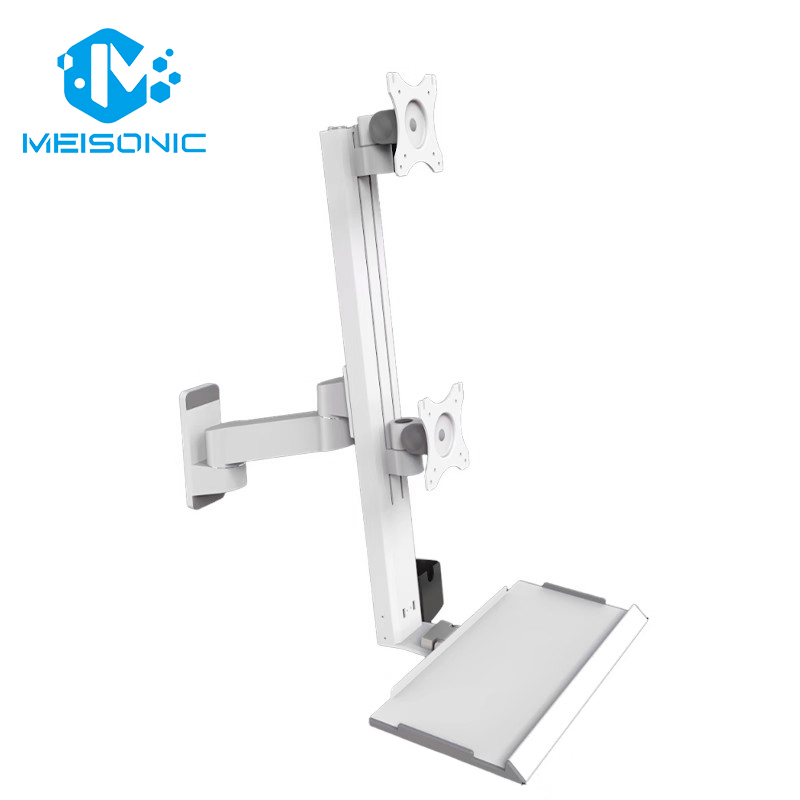
Manufacturing environments face unique challenges when it comes to optimizing workspace efficiency while maintaining operational safety. Modern industrial facilities require sophisticated monitoring systems, computer workstations, and display solutions that can withstand harsh conditions while maximizing available floor space. Wall mounted industrial monitor arms have emerged as a critical solution for facilities seeking to enhance productivity without compromising valuable manufacturing real estate.
Space Optimization Strategies in Industrial Settings
Maximizing Floor Space Utilization
Industrial facilities operate under constant pressure to optimize every square foot of available space. Traditional desktop computer setups consume significant floor area and create potential obstacles in high-traffic manufacturing zones. Wall mounted industrial monitor arms eliminate these spatial constraints by relocating display systems to vertical surfaces, freeing up valuable floor space for equipment, material storage, and worker movement. This vertical approach to workstation design allows manufacturers to maintain essential computer access while preserving critical operational areas.
The implementation of wall-mounted solutions creates a cleaner, more organized work environment that enhances both safety and productivity. Workers can navigate manufacturing floors more efficiently when computer workstations are positioned against walls rather than occupying central floor space. This configuration reduces the risk of accidents caused by protruding equipment and creates more intuitive traffic flow patterns throughout the facility.
Ergonomic Considerations for Industrial Workers
Proper ergonomic design becomes even more critical in industrial environments where workers may spend extended periods monitoring processes, reviewing technical documentation, or inputting production data. Wall mounted industrial monitor arms provide unprecedented flexibility in positioning displays at optimal viewing angles and heights for different operators. This adjustability helps prevent repetitive strain injuries and reduces fatigue associated with poor monitor positioning.
Advanced industrial monitor arms incorporate gas spring mechanisms that enable smooth, effortless adjustment of screen position throughout the workday. Workers can easily modify display height, tilt, and rotation to accommodate different tasks or shift changes without requiring tools or extensive setup time. This adaptability ensures that workstations remain comfortable and productive regardless of operator preferences or specific job requirements.
Technical Specifications and Industrial Durability
Construction Materials and Environmental Resistance
Industrial environments demand equipment capable of withstanding extreme conditions including temperature fluctuations, humidity, chemical exposure, and physical vibrations. High-quality wall mounted industrial monitor arms feature robust construction using corrosion-resistant materials such as powder-coated steel, aluminum alloys, and specialized polymers. These materials ensure long-term reliability even in challenging manufacturing environments where standard office equipment would quickly fail.
The design of industrial monitor arms must account for continuous operation cycles, frequent adjustments, and potential exposure to contaminants. Premium units incorporate sealed bearing systems, reinforced pivot points, and protective coatings that maintain smooth operation despite harsh operating conditions. This durability translates to reduced maintenance requirements and lower total cost of ownership compared to frequently replaced standard monitor arms.
Load Capacity and Monitor Compatibility
Industrial applications often require larger displays or multiple monitor configurations to accommodate complex process monitoring and data visualization needs. Professional wall mounted industrial monitor arms are engineered to support heavier loads while maintaining precise positioning capabilities. These systems typically accommodate monitors ranging from standard 24-inch displays up to large 32-inch industrial screens without compromising stability or adjustment functionality.
Advanced industrial monitor arms incorporate sophisticated gas spring mechanisms that automatically adjust tension based on the attached monitor weight. This intelligent design ensures smooth operation regardless of the specific display configuration while preventing sudden movements that could damage sensitive equipment or create safety hazards in busy manufacturing environments.
Installation and Integration Benefits
Simplified Wall Mounting Systems
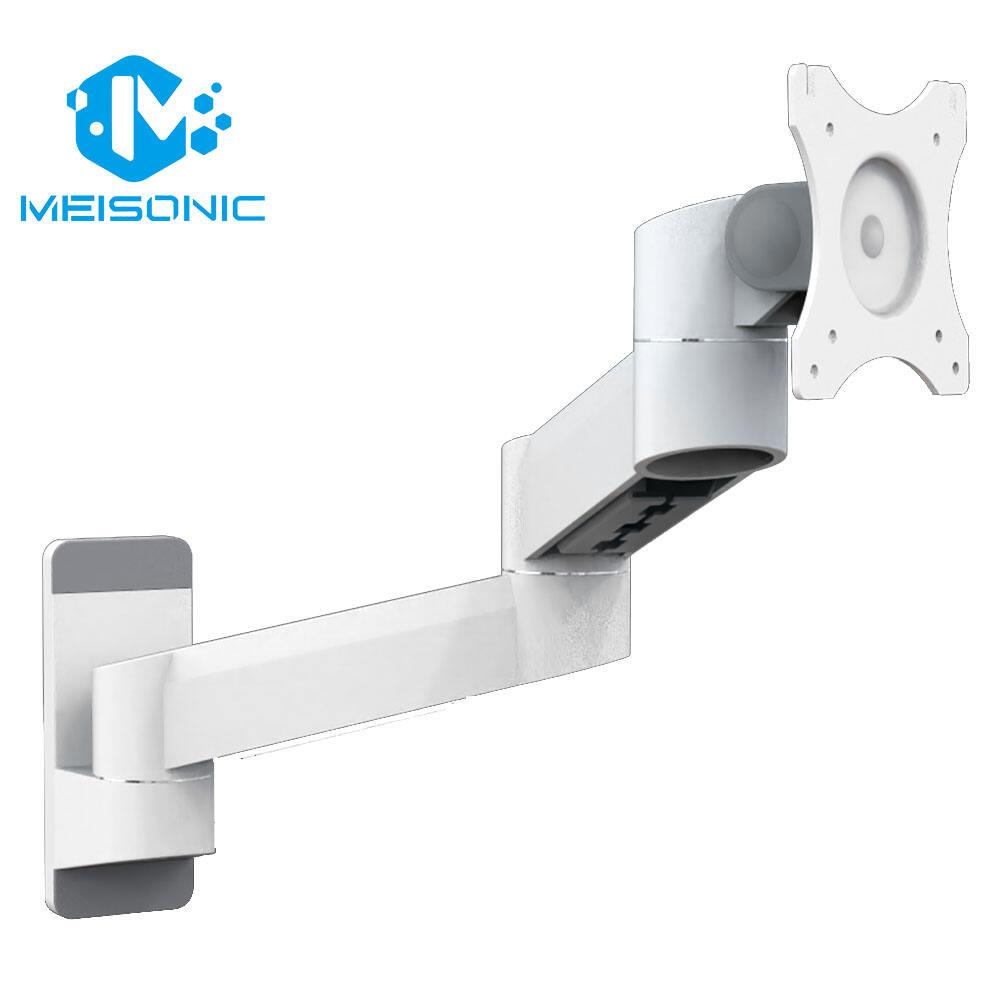
Modern wall mounted industrial monitor arms feature streamlined installation processes that minimize facility downtime and reduce implementation costs. Professional-grade mounting systems include comprehensive hardware packages with detailed installation guides that enable facility maintenance teams to complete installations quickly and safely. The wall-mounted approach eliminates the need for dedicated desk space while providing superior stability compared to traditional desktop stands.
Strategic installation planning allows facilities to position wall mounted industrial monitor arms at optimal locations that support workflow efficiency without interfering with existing equipment or processes. The compact wall-mounted profile ensures that monitor arms remain clear of overhead crane operations, material handling equipment, and other industrial machinery that requires unobstructed movement paths.
Cable Management and Safety Features
Industrial workstations require robust cable management solutions to prevent wire damage, reduce trip hazards, and maintain clean appearances that support safety compliance. Advanced wall mounted industrial monitor arms incorporate integrated cable routing systems that securely contain power, data, and peripheral connections throughout the full range of monitor movement. These cable management features protect sensitive connections from environmental exposure while maintaining flexibility for operator adjustments.
Safety considerations extend beyond basic functionality to include features such as locking mechanisms that prevent unauthorized adjustments, emergency release systems for rapid equipment access, and fail-safe designs that prevent sudden monitor drops in case of mechanical failure. These safety features ensure that wall mounted industrial monitor arms contribute to overall workplace safety rather than creating additional hazards.
Productivity Enhancement Through Flexible Workstation Design
Multi-User Workstation Configuration
Industrial facilities often operate multiple shifts with different operators sharing workstations throughout the production cycle. Wall mounted industrial monitor arms enable rapid workstation reconfiguration between shifts without requiring complex setup procedures or specialized tools. Operators can quickly adjust monitor position, keyboard height, and viewing angles to match their individual preferences while maintaining consistent access to critical production information.
The flexibility provided by adjustable wall-mounted systems reduces the time required for shift changes while ensuring that each operator can work in optimal comfort and efficiency. This adaptability directly contributes to improved productivity and reduced operator fatigue across all shifts, leading to more consistent production output and quality metrics.
Process Monitoring and Data Visualization
Modern manufacturing relies heavily on real-time process monitoring, quality control systems, and production tracking applications that require clear, easily accessible displays. Wall mounted industrial monitor arms position critical information at optimal viewing distances and angles that support rapid data interpretation and decision-making. The ability to adjust monitor position throughout the workday ensures that operators can maintain clear visibility of essential information regardless of changing lighting conditions or task requirements.
Advanced industrial monitor mounting systems support multiple display configurations that enable comprehensive process monitoring without cluttering valuable floor space. Operators can monitor production metrics, quality parameters, and safety systems simultaneously while maintaining clear sight lines to physical production equipment and processes.
Cost-Effectiveness and Return on Investment
Reduced Facility Infrastructure Requirements
Implementing wall mounted industrial monitor arms significantly reduces the need for dedicated computer desks, workstations, and associated furniture that would otherwise consume valuable floor space and require ongoing maintenance. The elimination of traditional desk-based workstations creates opportunities for more efficient facility layout designs that maximize production capacity while maintaining essential computer access points.
The long-term cost benefits extend beyond initial furniture savings to include reduced cleaning and maintenance requirements, improved space utilization efficiency, and enhanced flexibility for future facility modifications. Wall mounted industrial monitor arms adapt to changing operational needs without requiring extensive infrastructure modifications or equipment replacement.
Maintenance and Operational Efficiency
High-quality wall mounted industrial monitor arms require minimal ongoing maintenance while providing years of reliable service in demanding manufacturing environments. The robust construction and sealed component design reduce the frequency of repairs and component replacements compared to traditional desktop mounting solutions that experience higher wear rates due to environmental exposure and handling.
Operational efficiency improvements result from reduced setup time, enhanced workspace organization, and improved operator comfort that translates to higher productivity levels. The investment in professional-grade wall mounted industrial monitor arms typically pays for itself through improved efficiency and reduced operational costs within the first year of implementation.
FAQ
What weight capacity should I look for in wall mounted industrial monitor arms
Most industrial applications require monitor arms capable of supporting 15-35 pounds to accommodate standard industrial displays. However, for larger screens or multiple monitor configurations, look for systems rated for 40+ pounds with reinforced mounting hardware and enhanced stability features.
How do wall mounted industrial monitor arms handle vibration in manufacturing environments
Quality industrial monitor arms incorporate vibration dampening features such as reinforced pivot points, shock-absorbing materials, and secure locking mechanisms that prevent unwanted movement. These features ensure stable display positioning even in facilities with heavy machinery operations.
Can wall mounted industrial monitor arms accommodate different monitor sizes and types
Modern wall mounted industrial monitor arms feature universal VESA mounting compatibility that supports most industrial displays from 17 to 32 inches. Adjustable mounting plates and flexible positioning mechanisms accommodate various monitor types including standard LCD, touchscreen, and ruggedized industrial displays.
What installation requirements are needed for wall mounted industrial monitor arms
Installation typically requires solid wall construction capable of supporting the combined weight of the monitor arm and display. Most systems include comprehensive mounting hardware for concrete, steel, or reinforced drywall applications with detailed instructions for safe, secure installation.
Table of Contents
- Space Optimization Strategies in Industrial Settings
- Technical Specifications and Industrial Durability
- Installation and Integration Benefits
- Productivity Enhancement Through Flexible Workstation Design
- Cost-Effectiveness and Return on Investment
-
FAQ
- What weight capacity should I look for in wall mounted industrial monitor arms
- How do wall mounted industrial monitor arms handle vibration in manufacturing environments
- Can wall mounted industrial monitor arms accommodate different monitor sizes and types
- What installation requirements are needed for wall mounted industrial monitor arms