 EN
EN


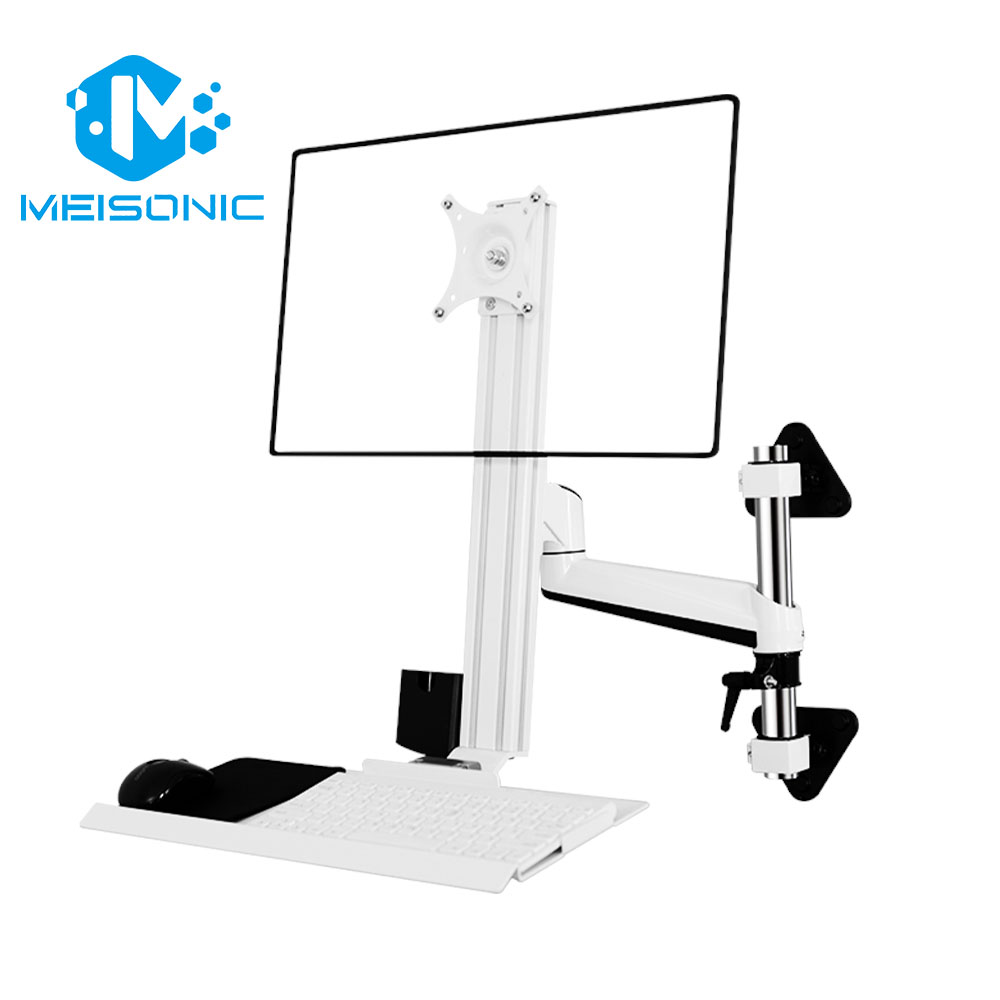
The modern manufacturing landscape is undergoing a revolutionary transformation as factories evolve into intelligent, interconnected ecosystems. At the heart of this evolution lies the critical need for efficient human-machine interfaces that enable operators to monitor, control, and optimize complex industrial processes. Industrial monitor mount systems have emerged as fundamental infrastructure components that facilitate this digital transformation by providing ergonomic, secure, and flexible display solutions throughout manufacturing environments. These sophisticated mounting solutions bridge the gap between advanced industrial technology and human operators, ensuring that critical information remains accessible while maintaining the safety and efficiency standards required in modern production facilities.
Understanding the Foundation of Smart Manufacturing Infrastructure
The Digital Transformation of Factory Floors
Smart factories represent the pinnacle of manufacturing evolution, integrating Internet of Things devices, artificial intelligence, and real-time data analytics to create autonomous production environments. Within these sophisticated ecosystems, industrial monitor mount systems serve as critical touchpoints where human intelligence intersects with machine automation. The seamless integration of display technologies into manufacturing workflows requires mounting solutions that can withstand harsh industrial conditions while providing operators with intuitive access to complex control interfaces. These systems must accommodate various screen sizes, viewing angles, and operational requirements while maintaining the flexibility to adapt as production needs evolve.
The proliferation of Industry 4.0 technologies has intensified the demand for robust display infrastructure that can support multiple monitoring applications simultaneously. Factory operators increasingly rely on real-time dashboards, predictive maintenance interfaces, and quality control systems that require immediate visual feedback. Industrial monitor mount systems must therefore provide stable platforms that eliminate screen vibration, reduce operator fatigue, and ensure consistent visibility across different lighting conditions. The mounting hardware becomes an extension of the manufacturing control system itself, requiring the same level of reliability and precision that characterizes modern automated production equipment.
Integration Challenges in Modern Manufacturing
Contemporary manufacturing environments present unique challenges for display integration that extend beyond simple screen positioning. The convergence of multiple operational systems creates complex requirements for monitor mounting solutions that must accommodate diverse interface types, from traditional SCADA displays to modern touch-enabled control panels. Industrial monitor mount systems must provide the mechanical stability required for precise touch interactions while maintaining the flexibility to support evolving display technologies. The mounting infrastructure becomes a critical factor in determining overall system reliability and operator efficiency.
Environmental factors such as temperature fluctuations, electromagnetic interference, and exposure to industrial chemicals create additional complexity for display mounting solutions. The mounting hardware must provide adequate protection for sensitive electronic components while ensuring that screens remain easily accessible for maintenance and calibration procedures. Advanced industrial monitor mount systems incorporate features such as quick-release mechanisms, cable management systems, and environmental sealing to address these multifaceted requirements. The result is mounting infrastructure that enhances both operational efficiency and long-term system reliability.
Essential Design Features for Industrial Applications
Ergonomic Considerations for Operator Efficiency
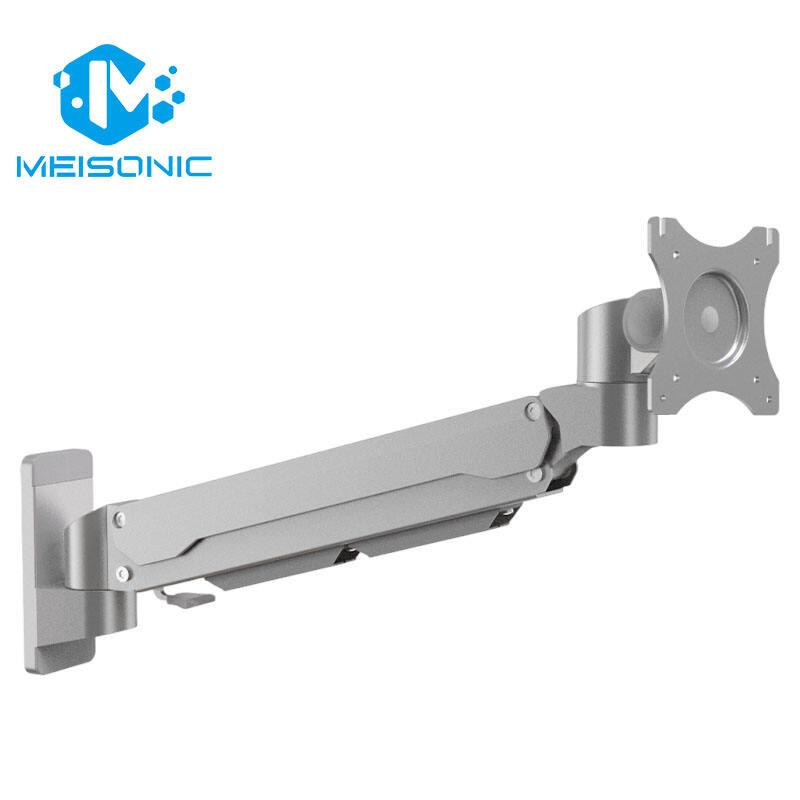
Effective industrial monitor mount systems prioritize operator comfort and efficiency through carefully engineered ergonomic features that reduce physical strain during extended work periods. The mounting hardware must provide smooth adjustment mechanisms that allow operators to position screens at optimal viewing angles without requiring excessive physical effort. Gas spring mechanisms and counterbalanced arms enable effortless monitor positioning while maintaining stable support throughout the full range of motion. These ergonomic features directly impact operator productivity and job satisfaction while reducing the risk of workplace injuries associated with repetitive movements and awkward positioning.
The design of industrial monitor mount systems must account for the diverse physical characteristics of factory personnel and the varying requirements of different operational tasks. Height adjustability, tilt functionality, and rotation capabilities ensure that mounting systems can accommodate operators of different statures and work preferences. Advanced mounting solutions incorporate memory positioning features that allow rapid reconfiguration between different operational modes or shift changes. The ergonomic optimization of display positioning contributes significantly to overall manufacturing efficiency by reducing operator fatigue and improving response times during critical operational decisions.
Durability and Environmental Resistance
Industrial environments subject mounting hardware to extreme conditions that would quickly compromise consumer-grade solutions, necessitating specialized construction materials and protective features. Industrial monitor mount systems must withstand temperature extremes, humidity variations, and exposure to corrosive chemicals while maintaining structural integrity and smooth operational characteristics. Stainless steel construction, sealed bearing assemblies, and protective coatings ensure long-term reliability even in the most challenging manufacturing environments. The durability of mounting systems directly impacts overall equipment effectiveness by minimizing maintenance requirements and reducing unplanned downtime.
Vibration resistance represents another critical design consideration for industrial monitor mount systems operating in environments with significant mechanical disturbances. Heavy machinery, conveyor systems, and automated equipment generate continuous vibrations that can compromise display stability and readability. Advanced mounting solutions incorporate dampening mechanisms and rigid construction techniques that isolate mounted displays from environmental vibrations. The resulting stability ensures that critical operational information remains clearly visible and accessible regardless of surrounding industrial activity, maintaining operational continuity and safety standards.
Technology Integration and Compatibility Requirements
Supporting Multiple Display Technologies
Modern manufacturing facilities utilize diverse display technologies ranging from traditional LCD monitors to advanced OLED panels and interactive touchscreens, requiring mounting systems with broad compatibility characteristics. Industrial monitor mount systems must accommodate varying screen sizes, weights, and mounting patterns while providing consistent performance across different display types. Universal mounting interfaces and adjustable support mechanisms ensure that facilities can implement standardized mounting infrastructure regardless of specific display requirements. This compatibility flexibility enables manufacturers to optimize display selection based on operational needs rather than mounting limitations.
The evolution toward higher resolution displays and advanced interface technologies places additional demands on mounting hardware capabilities. Ultra-high-definition monitors require more robust support structures due to increased weight and size, while touch-enabled displays need mounting systems that minimize deflection during user interactions. Advanced industrial monitor mount systems incorporate load distribution features and enhanced rigidity to support next-generation display technologies without compromising operational performance. The mounting infrastructure must evolve alongside display technology to maintain optimal human-machine interface functionality throughout facility upgrades and technology refresh cycles.
Cable Management and Connectivity Solutions
Effective cable management represents a critical but often overlooked aspect of industrial monitor mount systems that significantly impacts both aesthetics and operational reliability. Proper cable routing protects sensitive signal connections from physical damage while maintaining the clean, organized appearance required in professional manufacturing environments. Advanced mounting solutions incorporate integrated cable management channels, strain relief mechanisms, and quick-disconnect features that simplify installation and maintenance procedures. The cable management infrastructure must accommodate multiple connection types including power, video, data, and control signals while maintaining the flexibility required for monitor adjustment and positioning.
The integration of industrial monitor mount systems with facility-wide communication networks requires sophisticated connectivity planning that extends beyond basic cable management. Network connectivity, power distribution, and signal integrity considerations must be addressed during the design phase to ensure optimal system performance. Advanced mounting solutions provide integrated connectivity options that minimize external cabling requirements while maintaining the signal quality required for high-resolution displays and real-time data transmission. The connectivity infrastructure becomes an integral component of the overall manufacturing communication system, requiring the same level of reliability and performance that characterizes mission-critical industrial equipment.
Implementation Strategies for Smart Factory Environments
Planning and Site Assessment
Successful deployment of industrial monitor mount systems requires comprehensive site assessment and planning that considers both current operational requirements and future expansion possibilities. The planning process must evaluate existing infrastructure capabilities, environmental conditions, and operational workflows to determine optimal mounting locations and configuration options. Site surveys should identify potential interference sources, structural limitations, and accessibility requirements that could impact mounting system performance. Effective planning ensures that industrial monitor mount systems integrate seamlessly with existing facility infrastructure while providing the flexibility required for future operational changes.
The assessment phase must also consider the specific operational requirements of different manufacturing areas and the unique challenges presented by various industrial processes. Production line monitoring requires different mounting configurations than quality control stations or maintenance workbenches, necessitating customized solutions for each application. Advanced planning incorporates operator feedback, ergonomic assessments, and workflow analysis to optimize mounting system placement and configuration. The comprehensive planning approach ensures that industrial monitor mount systems enhance rather than complicate existing operational procedures while providing the foundation for future smart manufacturing initiatives.
Installation and Commissioning Best Practices
Professional installation of industrial monitor mount systems requires specialized knowledge of both mechanical mounting techniques and industrial facility requirements to ensure optimal performance and safety compliance. The installation process must address structural support requirements, environmental protection measures, and integration with existing facility systems. Proper installation techniques ensure that mounting hardware can withstand the dynamic loads and environmental stresses characteristic of industrial environments while maintaining precise positioning and smooth adjustment capabilities. Professional installation services provide the expertise required to optimize mounting system performance while minimizing disruption to ongoing manufacturing operations.
Commissioning procedures for industrial monitor mount systems extend beyond basic installation to include comprehensive testing of all operational features and integration with facility control systems. The commissioning process should verify proper cable management, environmental sealing, and ergonomic functionality while ensuring compatibility with existing operational procedures. Advanced commissioning includes operator training, maintenance procedure development, and documentation of system configuration parameters. Thorough commissioning ensures that industrial monitor mount systems deliver their full operational potential while providing facility personnel with the knowledge required for ongoing maintenance and optimization activities.
Maintenance and Long-term Performance Optimization
Preventive Maintenance Protocols
Maintaining optimal performance from industrial monitor mount systems requires structured preventive maintenance protocols that address the unique demands of manufacturing environments. Regular maintenance activities should include lubrication of moving components, inspection of mounting hardware integrity, and verification of environmental sealing effectiveness. The maintenance schedule must account for the specific environmental conditions and usage patterns characteristic of each installation location. Proactive maintenance ensures that mounting systems continue to provide smooth, reliable operation while preventing costly equipment failures that could disrupt manufacturing operations.
Advanced maintenance protocols for industrial monitor mount systems incorporate condition monitoring techniques that enable predictive maintenance strategies and optimize maintenance scheduling. Vibration analysis, thermal monitoring, and wear pattern assessment provide early indicators of potential problems before they impact operational performance. Documentation of maintenance activities and performance trends enables continuous improvement of maintenance procedures and identification of opportunities for enhanced system reliability. Comprehensive maintenance protocols ensure that industrial monitor mount systems maintain peak performance throughout their operational lifetime while minimizing total cost of ownership.
Performance Monitoring and Optimization
Continuous performance monitoring of industrial monitor mount systems provides valuable insights into operational efficiency and identifies opportunities for system optimization. Performance metrics should include adjustment frequency, operator feedback, and maintenance requirements to establish baseline performance characteristics and identify trends that could indicate emerging issues. Advanced monitoring systems incorporate sensor technology that provides real-time feedback on mounting system performance and environmental conditions. The monitoring data enables data-driven decisions regarding maintenance scheduling, configuration adjustments, and system upgrades.
Optimization of industrial monitor mount systems involves ongoing analysis of operational requirements, operator feedback, and technological developments that could enhance system performance. Regular assessment of mounting configurations, ergonomic effectiveness, and integration with evolving display technologies ensures that systems continue to meet changing operational needs. Optimization activities may include hardware upgrades, configuration adjustments, or integration of new features that improve operator efficiency and system reliability. Continuous optimization ensures that industrial monitor mount systems evolve alongside manufacturing operations while maintaining their role as critical infrastructure components.
FAQ
What factors should be considered when selecting industrial monitor mount systems for smart factory applications
When selecting industrial monitor mount systems for smart factory environments, several critical factors must be evaluated to ensure optimal performance and compatibility. Environmental conditions including temperature extremes, humidity levels, and chemical exposure determine the required durability specifications and protective features. The mounting system must support the specific display technologies being implemented while providing the ergonomic adjustability required for efficient operator interaction. Load capacity, adjustment range, and integration capabilities with existing facility infrastructure represent additional key selection criteria that impact both immediate functionality and long-term operational effectiveness.
How do industrial monitor mount systems contribute to operator safety and efficiency in manufacturing environments
Industrial monitor mount systems significantly enhance operator safety and efficiency by providing ergonomic display positioning that reduces physical strain and improves visibility of critical operational information. Proper monitor positioning minimizes neck and back stress during extended work periods while ensuring optimal viewing angles that reduce eye strain and improve response times. The mounting systems also contribute to workplace safety by securing valuable display equipment and maintaining organized, clutter-free work environments. Advanced mounting solutions incorporate quick-adjustment features that enable rapid reconfiguration between different operational modes without requiring tools or excessive physical effort.
What maintenance requirements are typically associated with industrial monitor mount systems
Industrial monitor mount systems require regular maintenance activities focused on preserving smooth operation and preventing premature wear in demanding manufacturing environments. Routine maintenance includes lubrication of pivot points and adjustment mechanisms, inspection of mounting hardware for signs of wear or loosening, and verification of cable management system integrity. Environmental sealing and protective coatings may require periodic renewal depending on exposure conditions and operational requirements. The maintenance schedule should be customized based on usage patterns, environmental conditions, and manufacturer recommendations to ensure optimal performance and longevity.
How do industrial monitor mount systems integrate with Industry 4.0 and smart manufacturing initiatives
Industrial monitor mount systems serve as critical infrastructure components that enable the human-machine interfaces essential for Industry 4.0 and smart manufacturing implementations. These mounting solutions provide the stable, ergonomic platforms required for advanced control interfaces, real-time monitoring displays, and interactive operational dashboards that characterize modern manufacturing environments. The mounting systems must accommodate evolving display technologies and provide the flexibility required for continuous system optimization and upgrade cycles. Integration with facility-wide communication networks and power distribution systems ensures that mounted displays can access the data streams and connectivity required for intelligent manufacturing operations while maintaining the reliability standards essential for mission-critical applications.
Table of Contents
- Understanding the Foundation of Smart Manufacturing Infrastructure
- Essential Design Features for Industrial Applications
- Technology Integration and Compatibility Requirements
- Implementation Strategies for Smart Factory Environments
- Maintenance and Long-term Performance Optimization
-
FAQ
- What factors should be considered when selecting industrial monitor mount systems for smart factory applications
- How do industrial monitor mount systems contribute to operator safety and efficiency in manufacturing environments
- What maintenance requirements are typically associated with industrial monitor mount systems
- How do industrial monitor mount systems integrate with Industry 4.0 and smart manufacturing initiatives