 EN
EN


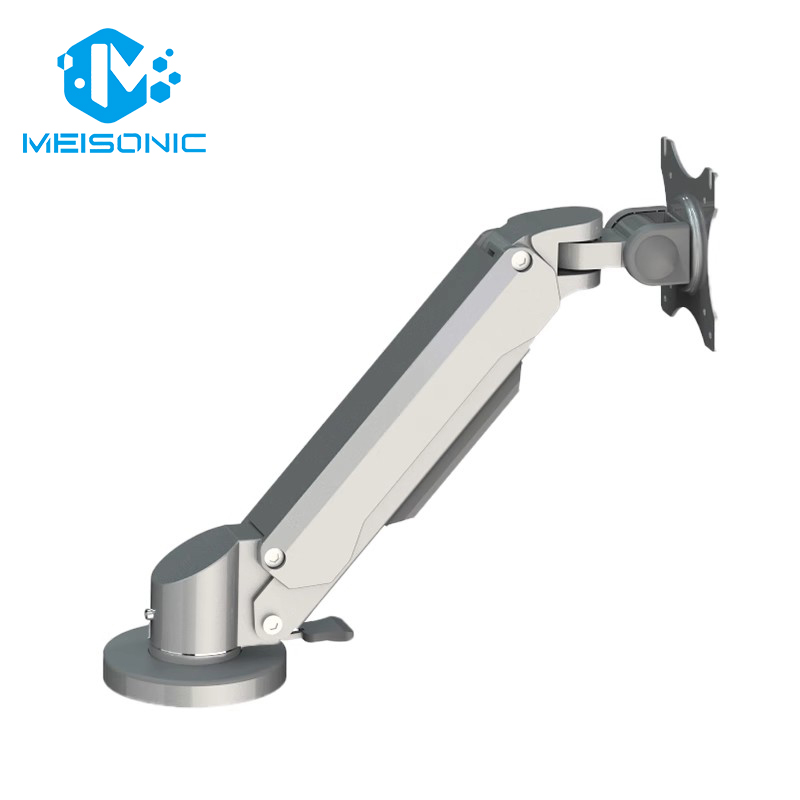
Industrial manufacturing environments demand robust, reliable solutions for equipment control and monitoring systems. Traditional fixed-position displays often fail to meet the dynamic requirements of modern production facilities, where operators need flexibility, durability, and precise positioning capabilities. Machine-mounted monitor arms have emerged as the definitive solution for industrial control applications, offering unprecedented adaptability and performance in challenging manufacturing environments. These specialized mounting systems transform how operators interact with critical control interfaces, enhancing both productivity and safety across diverse industrial sectors.
Understanding Industrial Monitor Arm Technology
Engineering Principles Behind Machine-Mounted Systems
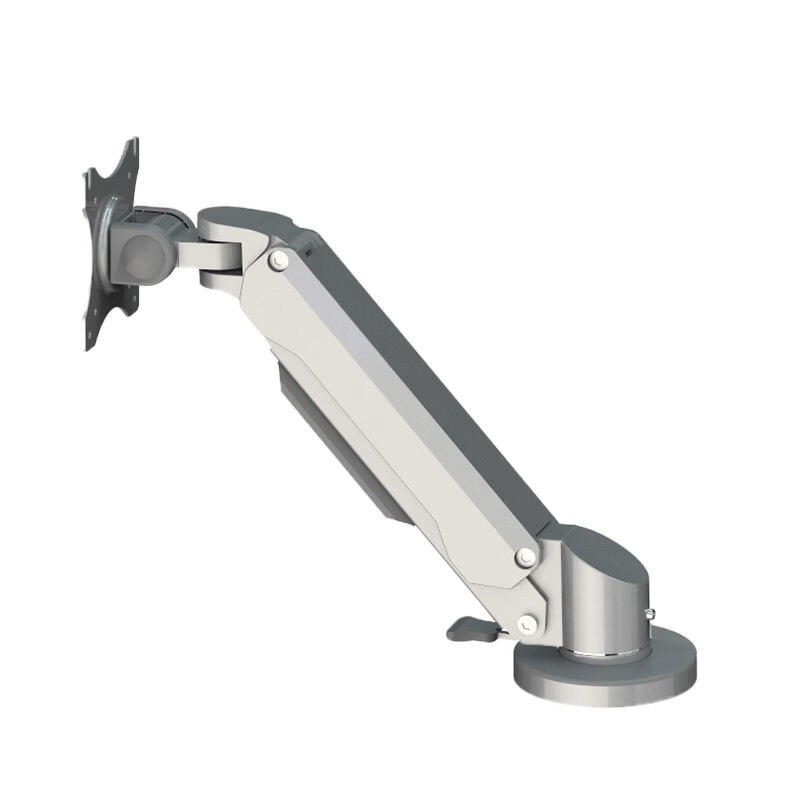
Machine-mounted monitor arms utilize advanced mechanical engineering principles to provide stable, adjustable positioning for industrial displays. These systems incorporate precision-machined components, industrial-grade bearings, and specialized joint mechanisms designed to withstand continuous operation in harsh environments. The fundamental design philosophy centers on balancing flexibility with durability, ensuring that operators can position monitors precisely while maintaining structural integrity under constant use. Gas spring technology, commonly employed in these applications, provides smooth adjustment capabilities while supporting substantial monitor weights without manual effort from operators.
The mechanical architecture of machine-mounted monitor arms typically features multi-axis adjustment capabilities, allowing rotation, tilt, swivel, and extension movements. This comprehensive range of motion enables operators to optimize viewing angles for various tasks, reducing eye strain and improving operational efficiency. Industrial applications demand systems that can maintain precise positioning over extended periods, requiring specialized friction mechanisms and locking systems that prevent unwanted movement while allowing intentional adjustments when needed.
Material Selection and Durability Considerations
Material selection plays a crucial role in the performance and longevity of machine-mounted monitor arms in industrial environments. High-grade aluminum alloys provide excellent strength-to-weight ratios while resisting corrosion in chemical processing environments. Steel components, often featuring specialized coatings or treatments, offer superior load-bearing capabilities for heavy-duty applications. The choice between materials depends on specific environmental factors, including exposure to chemicals, temperature extremes, and vibration levels characteristic of different industrial processes.
Surface treatments and protective coatings enhance the durability of machine-mounted monitor arms beyond base material properties. Anodizing processes for aluminum components provide enhanced corrosion resistance, while powder coating applications offer both protection and aesthetic appeal. These treatments ensure that mounting systems maintain their appearance and functionality throughout extended service lives, reducing maintenance requirements and total cost of ownership for industrial facilities.
Applications Across Industrial Sectors
Manufacturing and Assembly Line Integration
Manufacturing facilities represent the primary application domain for machine-mounted monitor arms, where these systems enable flexible positioning of control interfaces, quality monitoring displays, and production data screens. Assembly line operations benefit significantly from the ability to position monitors at optimal viewing angles for different workstations, accommodating varying operator heights and task requirements. The adjustability of these mounting systems allows for quick reconfiguration when production lines are modified or when different products require distinct monitoring approaches.
Quality control applications particularly benefit from machine-mounted monitor arms that can position inspection displays precisely for detailed examination of products or components. These systems enable inspectors to adjust monitor positions for optimal lighting conditions and viewing angles, improving detection rates for defects and maintaining consistent quality standards. The ability to quickly reposition displays also facilitates collaborative inspection processes where multiple personnel need to view the same information from different perspectives.
Process Control and Monitoring Applications
Process control environments, including chemical processing, power generation, and water treatment facilities, require monitor positioning systems that can adapt to complex control room layouts and operational requirements. Machine-mounted monitor arms provide the flexibility needed to create ergonomic operator workstations while maintaining clear sight lines to critical process information. These applications often involve multiple displays showing different aspects of system operation, requiring mounting solutions that can accommodate various screen sizes and positioning requirements simultaneously.
The reliability requirements for process control applications are particularly stringent, as display positioning failures can impact operator effectiveness during critical situations. Machine-mounted monitor arms designed for these environments incorporate redundant locking mechanisms and fail-safe features that maintain monitor position even in the event of component failure. This reliability ensures that operators maintain access to essential process information regardless of external conditions or system stress.
Technical Specifications and Performance Parameters
Load Capacity and Structural Design
Load capacity represents a fundamental specification for machine-mounted monitor arms, determining the maximum display weight that can be supported while maintaining full adjustment capabilities. Industrial applications often require support for heavy-duty monitors, touch screens, and integrated computing systems, necessitating robust structural designs capable of handling substantial loads. Gas spring mechanisms must be properly sized to balance monitor weight while providing smooth adjustment action throughout the full range of motion.
Structural design considerations extend beyond simple weight support to include dynamic loading conditions common in industrial environments. Vibration from nearby machinery, thermal expansion effects, and occasional impact loads require mounting systems with enhanced structural margins and damping characteristics. Machine-mounted monitor arms incorporate reinforced joint designs and specialized fastening systems that maintain secure attachment to host machines while accommodating these challenging operating conditions.
Environmental Resistance and Protection Ratings
Environmental protection ratings define the ability of machine-mounted monitor arms to operate effectively in challenging industrial conditions. IP (Ingress Protection) ratings specify resistance to dust and moisture ingress, critical factors in manufacturing environments where contamination can compromise mechanical operation. Higher IP ratings ensure that internal components remain protected from environmental contaminants that could cause premature wear or failure of adjustment mechanisms.
Temperature resistance specifications address the thermal challenges present in many industrial applications, from foundries and steel mills to food processing facilities with extreme temperature requirements. Machine-mounted monitor arms must maintain mechanical properties and adjustment capabilities across wide temperature ranges while accommodating thermal expansion effects that could otherwise compromise positioning accuracy. Specialized lubricants and seal materials enable continued operation in these demanding thermal environments.
Installation and Integration Considerations
Mounting Methods and Attachment Systems
Successful installation of machine-mounted monitor arms requires careful consideration of attachment methods and host machine integration. Clamp-style mounting systems provide versatility for attachment to various machine structures, while bolt-through mounting offers maximum security for high-vibration environments. The choice of mounting method depends on host machine construction, available attachment points, and the specific requirements of the application including load specifications and adjustment range needs.
Attachment system design must account for the structural characteristics of host machines, ensuring that mounting loads are properly distributed to prevent damage or deformation of machine components. Machine-mounted monitor arms often require reinforcement plates or backing structures to distribute loads effectively, particularly when attaching to thin-walled or lightweight machine housings. Proper installation techniques ensure long-term reliability while maintaining the structural integrity of both the mounting system and host equipment.
Cable Management and Routing Solutions
Effective cable management represents a critical aspect of machine-mounted monitor arms installation, ensuring that power, data, and control cables remain protected while allowing full range of monitor movement. Integrated cable routing systems guide cables through the mounting structure, preventing damage from pinching, stretching, or abrasion during adjustment operations. These systems must accommodate various cable types and quantities while maintaining the clean, professional appearance expected in industrial environments.
Advanced cable management solutions incorporate strain relief mechanisms and service loops that protect cables during the full range of monitor movement. Machine-mounted monitor arms with integrated cable channels provide superior protection compared to external cable routing methods, reducing maintenance requirements and improving overall system reliability. Proper cable routing also facilitates future modifications or upgrades to connected equipment without requiring complete reinstallation of the mounting system.
Performance Benefits and Operational Advantages
Ergonomic Improvements and Operator Comfort
The ergonomic benefits of machine-mounted monitor arms extend far beyond simple positioning flexibility, contributing directly to operator comfort, productivity, and long-term health outcomes. These systems enable precise adjustment of monitor height, angle, and distance to match individual operator preferences and task requirements, reducing neck strain, eye fatigue, and repetitive stress injuries commonly associated with fixed display positions. The ability to quickly adjust monitor position also accommodates multiple operators with different physical characteristics sharing the same workstation.
Ergonomic optimization through machine-mounted monitor arms translates into measurable productivity improvements as operators experience less fatigue and maintain better focus throughout extended work periods. The reduction in physical discomfort allows operators to concentrate more effectively on critical tasks, potentially improving accuracy and response times in demanding industrial applications. These benefits become particularly significant in continuous operation environments where operators work extended shifts monitoring complex processes or controlling sophisticated machinery.
Space Efficiency and Workspace Organization
Space efficiency represents another significant advantage of machine-mounted monitor arms, particularly in crowded industrial environments where every square foot of floor space carries value. These mounting systems eliminate the need for separate monitor stands or dedicated mounting structures, freeing valuable workspace for essential equipment and materials. The ability to position monitors away from work surfaces also creates additional space for documentation, tools, and other operational necessities.
Workspace organization benefits extend to improved safety conditions as machine-mounted monitor arms reduce clutter and eliminate trip hazards associated with floor-standing display supports. The clean, organized appearance of properly installed mounting systems also contributes to overall facility aesthetics and demonstrates commitment to professional operational standards. These organizational improvements can facilitate compliance with workplace safety regulations and contribute to positive impressions during customer visits or regulatory inspections.
Selection Criteria and Specification Guidelines
Matching System Capabilities to Application Requirements
Selecting appropriate machine-mounted monitor arms requires careful analysis of specific application requirements, including display specifications, environmental conditions, and operational demands. Monitor weight and size represent primary selection criteria, as these parameters directly influence required load capacity and structural design requirements. VESA mounting pattern compatibility must also be verified to ensure proper interface between the display and mounting system, with adaptability for future display upgrades being an important consideration.
Environmental factors significantly influence selection decisions for machine-mounted monitor arms, with different applications requiring varying levels of protection against dust, moisture, chemicals, and temperature extremes. Vibration levels from nearby machinery may necessitate enhanced damping features or specialized isolation systems to maintain stable display positioning. The frequency and range of position adjustments required in typical operation also affects selection of adjustment mechanisms and locking systems.
Cost-Benefit Analysis and Return on Investment
Investment in quality machine-mounted monitor arms generates returns through multiple mechanisms, including improved operator productivity, reduced ergonomic injury risks, and enhanced equipment longevity. The initial cost of premium mounting systems is typically recovered through productivity improvements within the first year of operation, with additional benefits accruing over the extended service life of these systems. Reduced maintenance requirements and improved reliability compared to lower-quality alternatives contribute to favorable total cost of ownership calculations.
Long-term value considerations include adaptability for future equipment changes, upgrade compatibility, and service life expectations. Machine-mounted monitor arms with modular designs and standardized interfaces provide flexibility for future modifications without requiring complete system replacement. The ability to accommodate different display types and sizes over the service life of the mounting system enhances long-term value and reduces the risk of premature obsolescence as technology evolves.
FAQ
What weight capacity should I specify for industrial monitor applications
Industrial monitor applications typically require machine-mounted monitor arms with weight capacities ranging from 15 to 50 pounds, depending on display size and type. Touch screen displays and ruggedized industrial monitors generally weigh more than standard office displays, so it is important to verify actual monitor weight including any mounting brackets or protective enclosures. Selecting a mounting system with 25-30% additional capacity beyond the actual monitor weight provides safety margin and accommodates potential future upgrades to heavier displays.
How do machine-mounted monitor arms handle vibration in manufacturing environments
Quality machine-mounted monitor arms incorporate specialized damping mechanisms and reinforced joint designs to minimize the effects of vibration common in manufacturing environments. Gas spring systems with integrated damping provide inherent vibration isolation while maintaining smooth adjustment capabilities. Some applications may require additional vibration isolation mounts between the arm and host machine to achieve optimal display stability, particularly in high-vibration environments such as stamping operations or heavy machining centers.
What maintenance is required for industrial monitor mounting systems
Machine-mounted monitor arms in industrial environments require periodic inspection of joint mechanisms, fasteners, and adjustment systems to ensure continued reliable operation. Monthly visual inspections should check for loose connections, signs of wear, or damage from environmental exposure. Annual maintenance should include cleaning of adjustment mechanisms, lubrication of moving parts with appropriate industrial lubricants, and verification of gas spring pressure if applicable. Proper maintenance significantly extends service life and maintains smooth operation throughout the system lifecycle.
Can machine-mounted monitor arms accommodate multiple display configurations
Many machine-mounted monitor arms feature modular designs that can accommodate multiple display configurations, including dual monitor setups and mixed display types. Multi-arm configurations allow independent positioning of each display while sharing a common mounting base, providing maximum flexibility for complex monitoring applications. Some systems also offer quick-release mechanisms that enable rapid reconfiguration or display replacement without tools, supporting applications where display requirements change frequently based on production schedules or operational modes.
Table of Contents
- Understanding Industrial Monitor Arm Technology
- Applications Across Industrial Sectors
- Technical Specifications and Performance Parameters
- Installation and Integration Considerations
- Performance Benefits and Operational Advantages
- Selection Criteria and Specification Guidelines
-
FAQ
- What weight capacity should I specify for industrial monitor applications
- How do machine-mounted monitor arms handle vibration in manufacturing environments
- What maintenance is required for industrial monitor mounting systems
- Can machine-mounted monitor arms accommodate multiple display configurations