 EN
EN


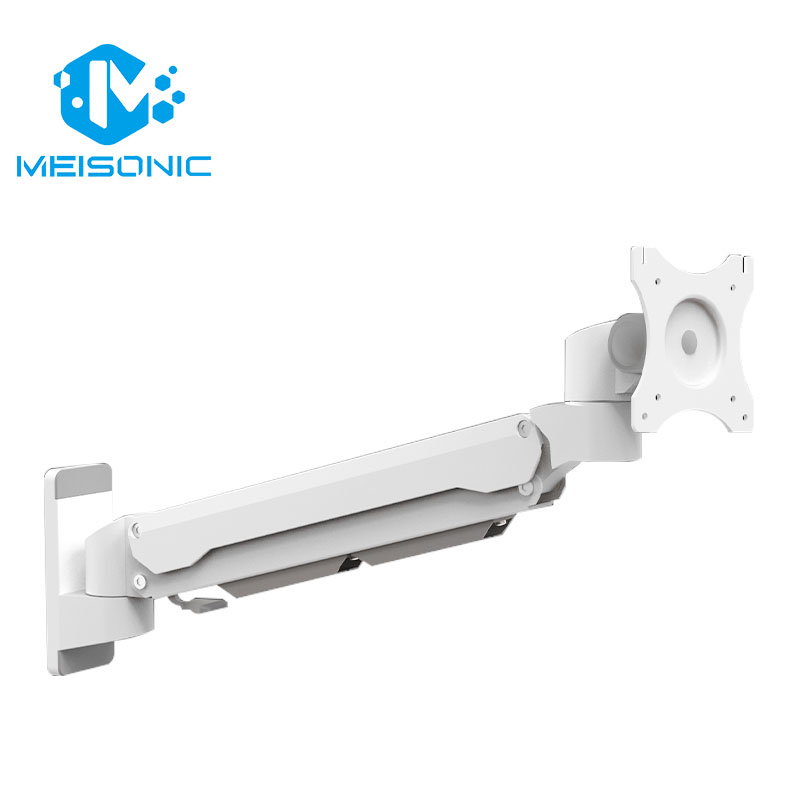
Modern industrial workstations demand flexibility and ergonomic design to optimize operator performance and comfort. Operator panel mounting arms have emerged as essential accessories that transform static workspaces into dynamic, user-centric environments. These mechanical solutions address the growing need for adjustable, accessible control interfaces in manufacturing, automation, and technical environments where precision and efficiency are paramount.
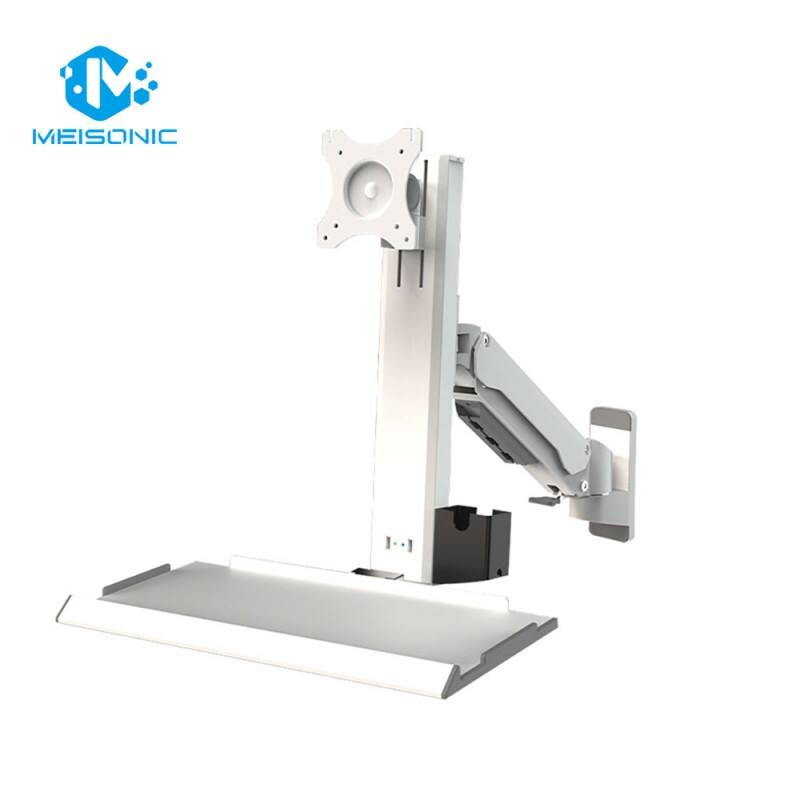
The integration of operator panel mounting arms into industrial workflows represents a significant shift from fixed-position interfaces to adaptable workstation configurations. By enabling precise positioning and easy adjustment of control panels, keyboards, and display units, these mounting solutions directly impact productivity, reduce operator fatigue, and enhance overall work quality. Understanding how these systems make daily work easier requires examining their mechanical advantages, ergonomic benefits, and practical applications across various industrial settings.
Ergonomic Advantages of Adjustable Mounting Systems
Reducing Physical Strain Through Optimal Positioning
Operator panel mounting arms fundamentally address the ergonomic challenges inherent in traditional fixed workstation designs. By allowing three-dimensional positioning of control interfaces, these systems enable operators to maintain natural posture while accessing critical controls. The ability to adjust height, depth, and angle eliminates the need for awkward reaching, bending, or twisting motions that contribute to musculoskeletal disorders in industrial environments.
The mechanical design of quality operator panel mounting arms incorporates smooth articulation points that allow for effortless repositioning without tools or complex adjustments. This immediate adaptability means operators can modify their workspace setup throughout shifts to accommodate different tasks, varying operator heights, or changing ergonomic needs. The reduction in physical strain translates directly to decreased fatigue and improved focus on critical operational tasks.
Gas spring mechanisms commonly integrated into operator panel mounting arms provide balanced support that maintains panel position while allowing easy adjustment with minimal force. This feature ensures that even heavy control panels or multiple-device configurations remain easily maneuverable, making workstation customization accessible to all operators regardless of physical strength or stature.
Enhancing Visual Accessibility and Control Precision
Proper positioning of operator interfaces through mounting arms significantly improves visual accessibility and control precision. When panels are positioned at optimal viewing angles and distances, operators can more easily read displays, identify control functions, and execute precise inputs. This enhanced accessibility reduces the likelihood of operational errors that stem from poor visibility or uncomfortable viewing positions.
The flexibility provided by operator panel mounting arms allows for real-time optimization of viewing conditions based on ambient lighting, task requirements, and individual operator preferences. Operators can tilt panels to reduce glare, adjust distance for optimal focus, or reposition interfaces to minimize parallax errors when reading digital displays or analog gauges.
Advanced mounting arm designs accommodate multiple panels simultaneously, enabling operators to create customized control layouts that group related functions logically. This organizational capability reduces cognitive load by presenting information and controls in intuitive arrangements that support efficient workflow execution and minimize the time required to locate specific functions.
Workspace Flexibility and Operational Efficiency
Adapting to Multiple Operational Scenarios
The modular nature of operator panel mounting arms enables rapid reconfiguration of workstations to accommodate different operational requirements. In manufacturing environments where production lines handle various products or processes, mounting arms allow quick repositioning of control interfaces to match specific operational needs. This adaptability eliminates the need for multiple fixed workstations or costly infrastructure modifications when processes change.
Multi-shift operations particularly benefit from the adjustability offered by operator panel mounting arms. Different operators can quickly customize their workspace setup at the beginning of each shift, ensuring optimal ergonomics and interface accessibility without impacting production schedules. The speed and ease of adjustment mean that workspace optimization becomes part of routine shift changeover rather than a time-consuming configuration process.
Maintenance and troubleshooting activities are significantly simplified when operator panel mounting arms provide easy access to control interfaces from multiple angles. Technicians can reposition panels to gain better access to connection points, component housings, or diagnostic displays without removing entire control assemblies or working in cramped positions.
Space Optimization and Workflow Enhancement
Effective utilization of available workspace is crucial in industrial environments where floor space represents significant capital investment. Operator panel mounting arms enable vertical and horizontal space optimization by positioning control interfaces in previously unusable areas above work surfaces or in ergonomic zones that don't interfere with material flow or equipment operation.
The ability to retract or fold away operator panel mounting arms when interfaces are not in use creates additional workspace for maintenance activities, material handling, or alternative work processes. This space-saving capability is particularly valuable in compact manufacturing cells or multi-purpose workstations where flexibility is essential for operational efficiency.
Workflow optimization occurs naturally when operator panel mounting arms position control interfaces in locations that minimize operator movement and maximize access to both controls and work areas. This strategic positioning reduces cycle times and eliminates unnecessary motion that can lead to fatigue and inefficiency over extended operating periods.
Technical Integration and Compatibility Features
Universal Mounting Standards and System Compatibility
Modern operator panel mounting arms are designed to accommodate standard mounting patterns and interface specifications commonly used in industrial control systems. VESA mounting compatibility ensures that a wide range of displays, control panels, and input devices can be integrated without requiring custom brackets or adapters. This standardization simplifies procurement decisions and ensures long-term compatibility as control systems evolve.
The mechanical design of quality operator panel mounting arms incorporates robust connection points that can support various panel weights and configurations while maintaining stability under dynamic loading conditions. Adjustable mounting plates and modular connection systems allow single mounting arms to accommodate different panel sizes and configurations throughout their service life.
Cable management features integrated into operator panel mounting arms ensure that power and data connections remain organized and protected during adjustment operations. Internal cable routing channels and strain relief systems prevent damage to critical connections while maintaining the clean appearance and functionality of the installation.
Durability and Maintenance Considerations
Industrial environments demand mounting solutions that can withstand continuous use, environmental stresses, and occasional impact without compromising functionality. High-quality operator panel mounting arms incorporate corrosion-resistant materials, sealed bearing systems, and robust mechanical components that maintain smooth operation over extended service periods.
Preventive maintenance requirements for operator panel mounting arms are typically minimal, focusing primarily on periodic lubrication of articulation points and inspection of mounting hardware. The simplicity of these maintenance requirements ensures that mounting systems don't become operational burdens or sources of unexpected downtime.
Field-serviceable components in well-designed operator panel mounting arms allow replacement of wear items without removing entire assemblies from service. This maintenance approach minimizes operational disruption and extends the useful life of mounting systems through economical component replacement rather than complete system renewal.
Implementation Strategies and Best Practices
Workstation Assessment and Planning
Successful implementation of operator panel mounting arms begins with comprehensive assessment of existing workstation configurations, operational requirements, and operator feedback. Understanding current ergonomic challenges, space limitations, and workflow inefficiencies provides the foundation for selecting appropriate mounting solutions and positioning strategies.
Operator input during the planning phase ensures that mounting arm configurations address real-world usage patterns and preferences. Involving operators in the selection and positioning process increases acceptance and utilization of the new systems while identifying potential issues before implementation begins.
Load analysis and compatibility verification are essential steps in matching operator panel mounting arms to specific application requirements. Understanding panel weights, dimensional constraints, and adjustment ranges ensures that selected mounting systems provide adequate support and flexibility for intended applications.
Installation and Training Considerations
Professional installation of operator panel mounting arms ensures proper mechanical attachment, correct adjustment ranges, and optimal initial positioning. While many mounting systems are designed for straightforward installation, proper mounting to structural supports and verification of adjustment mechanisms are critical for long-term reliability and safety.
Operator training on adjustment procedures and optimal positioning practices maximizes the benefits provided by operator panel mounting arms. Simple training programs that demonstrate proper adjustment techniques and ergonomic principles help operators understand how to optimize their workspace for comfort and efficiency.
Documentation of optimal settings for different operators or operational modes enables consistent workspace configuration and provides reference information for new operators or maintenance personnel. This documentation becomes particularly valuable in multi-shift operations where consistent setup procedures are essential for maintaining productivity.
FAQ
What weight capacity should I expect from industrial operator panel mounting arms?
Industrial operator panel mounting arms typically support loads ranging from 10 to 50 pounds, depending on the design and intended application. Heavy-duty models with gas spring assistance can accommodate larger panels and multiple-device configurations while maintaining smooth adjustment capabilities. Always verify load specifications against your specific panel requirements to ensure proper support and longevity.
Can operator panel mounting arms be retrofitted to existing workstations?
Most operator panel mounting arms are designed for retrofit installation on existing workstations, work surfaces, or structural supports. Standard mounting options include clamp-on attachments, bolt-through mounting, and wall-mount configurations that adapt to various installation scenarios. The key consideration is ensuring adequate structural support for the mounting point and confirming compatibility with existing panel mounting patterns.
How do I maintain smooth operation of articulating mounting arms over time?
Regular maintenance of operator panel mounting arms involves periodic lubrication of pivot points, inspection of mounting hardware for tightness, and cleaning of adjustment mechanisms to prevent debris accumulation. Most systems require minimal maintenance, with lubrication intervals typically ranging from six months to annually depending on environmental conditions and usage frequency. Following manufacturer maintenance schedules ensures continued smooth operation and extends service life.
Are there specific mounting arms designed for harsh industrial environments?
Specialized operator panel mounting arms are available for demanding industrial environments, featuring sealed bearings, corrosion-resistant coatings, and materials designed to withstand temperature extremes, chemical exposure, and high-vibration conditions. These industrial-grade mounting systems often include additional features such as IP-rated sealing and enhanced structural reinforcement to maintain reliable operation in challenging environments.
Table of Contents
- Ergonomic Advantages of Adjustable Mounting Systems
- Workspace Flexibility and Operational Efficiency
- Technical Integration and Compatibility Features
- Implementation Strategies and Best Practices
-
FAQ
- What weight capacity should I expect from industrial operator panel mounting arms?
- Can operator panel mounting arms be retrofitted to existing workstations?
- How do I maintain smooth operation of articulating mounting arms over time?
- Are there specific mounting arms designed for harsh industrial environments?