
 EN
EN


Selecting the right control room consoles represents one of the most critical infrastructure decisions for mission-critical operations across industries like power generation, transportation management, security monitoring, and industrial process control. The complexity of modern control environments demands careful evaluation of multiple factors that directly impact operator performance, system reliability, and long-term operational efficiency. Understanding the fundamental considerations before making this investment ensures that your control room consoles will effectively support critical decision-making processes while providing the ergonomic foundation necessary for sustained operator alertness and productivity.
The financial implications of control room console selection extend far beyond the initial purchase price, encompassing installation costs, ongoing maintenance requirements, potential upgrade paths, and the hidden costs associated with operator fatigue or reduced efficiency from poorly designed workstations. Industry research consistently demonstrates that well-designed control room consoles contribute significantly to reduced operator errors, improved response times during critical incidents, and enhanced overall operational safety. The strategic importance of this decision requires a systematic approach that balances immediate operational needs with future scalability requirements while ensuring compliance with relevant industry standards and regulations.
Essential Design Considerations for Control Room Environments
Ergonomic Requirements and Operator Wellness
Effective control room consoles must prioritize operator comfort and health through scientifically-backed ergonomic design principles that accommodate extended work shifts and high-stress operational scenarios. The console height, viewing angles, and reach distances should conform to anthropometric data while allowing for individual adjustment to accommodate operators of varying physical characteristics. Research indicates that properly designed control room consoles can reduce operator fatigue by up to 40% during twelve-hour shifts, directly translating to improved alertness and decision-making capability during critical operational periods.
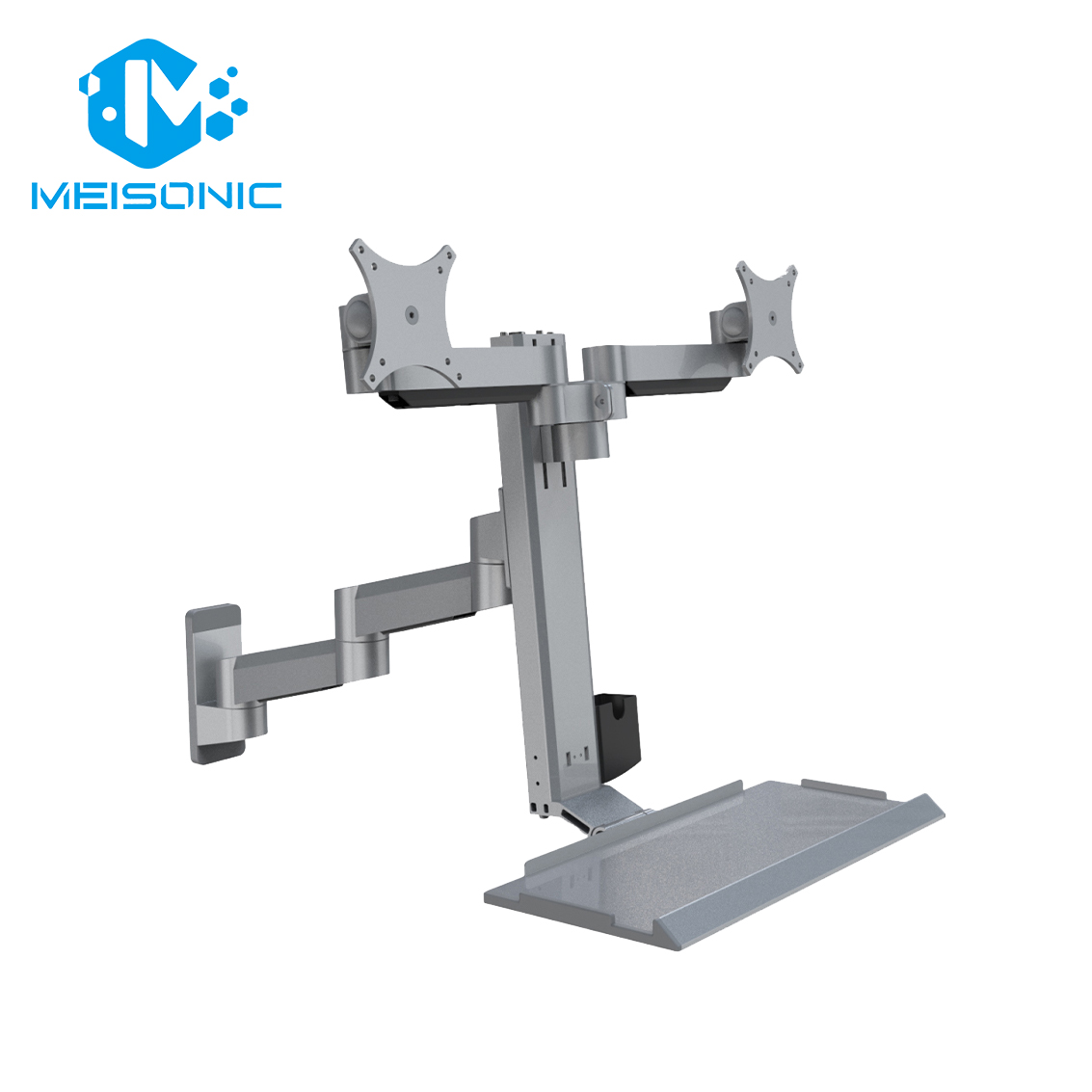
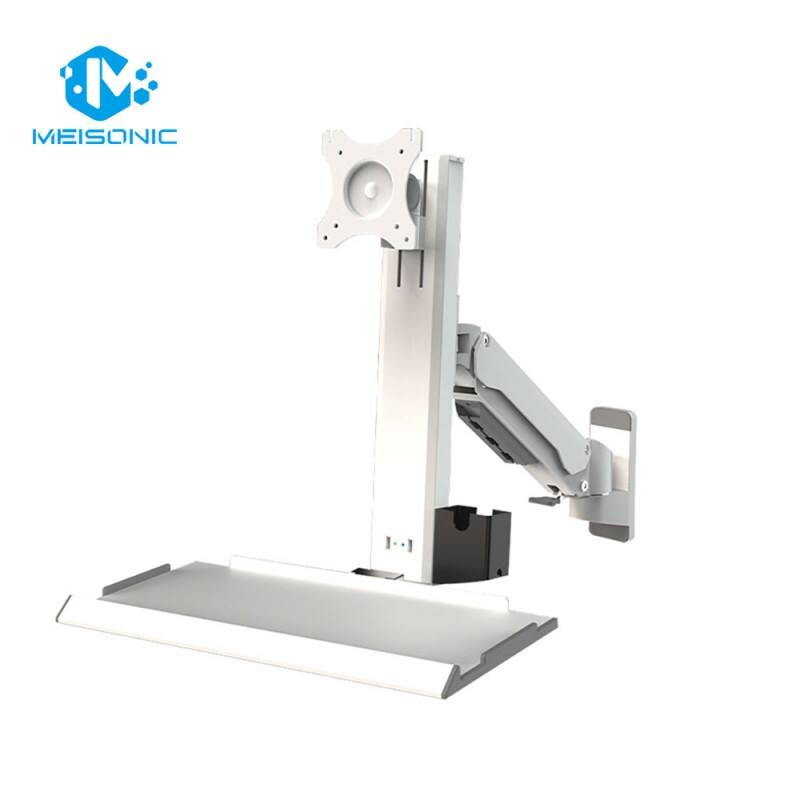
The integration of adjustable monitor arms, keyboard trays, and seating positions within control room consoles enables operators to maintain optimal posture while accessing multiple information sources simultaneously. Modern console designs incorporate cable management systems that eliminate visual clutter and physical obstructions while providing easy access for maintenance and system modifications. The console surface materials and lighting integration must minimize glare and reflection while providing adequate illumination for documentation and manual control operations that supplement electronic interfaces.
Technology Integration and Future-Proofing
Contemporary control room consoles must accommodate rapidly evolving display technologies, computing hardware, and communication systems while maintaining operational continuity during technology refresh cycles. The console framework should provide sufficient depth, ventilation, and power distribution to support current equipment loads while allowing for reasonable expansion without requiring complete console replacement. Modular design approaches enable incremental upgrades and configuration changes that adapt to evolving operational requirements without disrupting ongoing operations.
Cable management infrastructure within control room consoles becomes increasingly critical as the density of electronic systems continues to increase, requiring structured pathways that separate power, data, and communication cables to minimize electromagnetic interference. The console design must anticipate future integration of emerging technologies such as augmented reality interfaces, advanced display systems, and enhanced cybersecurity hardware while maintaining backwards compatibility with legacy systems that cannot be immediately replaced due to operational or budgetary constraints.
Operational Requirements and Workflow Optimization
Task Analysis and Information Flow
Successful control room consoles must be designed around detailed analysis of operator tasks, information priorities, and workflow patterns that characterize normal and emergency operating conditions. The physical layout should minimize operator movement and visual scanning while ensuring that critical information sources remain within optimal viewing zones throughout extended operational periods. Understanding the frequency and urgency of different operational tasks enables console designers to optimize the placement of controls, displays, and communication equipment according to operational priorities rather than technical convenience.
The spatial organization of control room consoles should reflect the logical relationship between different operational systems while maintaining clear sight lines to shared displays and communication equipment used during collaborative decision-making processes. Emergency response procedures require special consideration in console design, ensuring that critical controls remain accessible and identifiable even under high-stress conditions or reduced lighting scenarios that may occur during system failures or security incidents.
Collaborative Operations and Communication
Modern control room operations increasingly require seamless collaboration between multiple operators, supervisors, and technical specialists, demanding console configurations that support both individual focus and team coordination. The arrangement of control room consoles should facilitate clear communication paths while minimizing acoustic interference between different operational areas. Strategic placement of shared displays, conference equipment, and emergency communication systems enables effective coordination without compromising individual operator concentration on their primary responsibilities.
The integration of advanced communication technologies within control room consoles must balance accessibility with security requirements, particularly in sensitive operational environments where unauthorized access to communication channels could compromise operational security. Modern console designs incorporate secure communication interfaces that enable encrypted voice and data communication while maintaining clear operational protocols for different communication priority levels and emergency escalation procedures.
Technical Specifications and Performance Standards
Structural Engineering and Environmental Resistance
Control room consoles must meet rigorous structural engineering standards that account for seismic activity, vibration resistance, and long-term dimensional stability under varying environmental conditions. The console framework materials and construction methods should provide adequate load-bearing capacity for current and anticipated equipment while maintaining structural integrity throughout the expected operational lifespan. Industrial-grade construction standards ensure that control room consoles can withstand the mechanical stresses associated with daily operation while providing stable mounting platforms for sensitive electronic equipment.
Environmental resistance characteristics become particularly important in control room environments where temperature variations, humidity fluctuations, and potential exposure to dust or chemical contaminants could affect console performance and operator comfort. The selection of surface materials, ventilation systems, and protective coatings must consider both immediate operational requirements and long-term maintenance considerations that affect total cost of ownership for control room consoles throughout their operational lifespan.
Power Distribution and Thermal Management
Effective power distribution systems within control room consoles must provide clean, reliable electrical power to sensitive electronic equipment while incorporating appropriate surge protection and backup power integration capabilities. The console design should accommodate uninterruptible power supply connections, emergency power switching, and power quality monitoring equipment that ensures continuous operation during utility power disturbances. Redundant power distribution pathways enhance system reliability while simplifying maintenance procedures that require temporary equipment shutdown.
Thermal management considerations become increasingly critical as equipment density within control room consoles continues to increase, requiring active cooling systems that maintain optimal operating temperatures without creating excessive noise or air movement that could distract operators. The integration of temperature monitoring systems enables proactive maintenance scheduling while preventing equipment failures that could compromise operational capabilities during critical operational periods.
Selection Process and Implementation Planning
Vendor Evaluation and Quality Assessment
The selection of control room consoles requires comprehensive vendor evaluation that extends beyond initial cost considerations to encompass manufacturing quality, delivery reliability, technical support capabilities, and long-term business stability. Industry experience with similar operational environments provides valuable insight into vendor performance under demanding operational conditions while established reference installations enable direct assessment of console performance in comparable applications.
Quality assessment procedures should include detailed examination of manufacturing processes, material specifications, testing protocols, and quality assurance documentation that demonstrates compliance with relevant industry standards and operational requirements. The vendor's technical support infrastructure, spare parts availability, and maintenance service capabilities directly impact the long-term operational viability of control room consoles, particularly in mission-critical applications where equipment downtime could compromise operational safety or security.
Installation and Commissioning Considerations
Successful implementation of control room consoles requires detailed planning that coordinates console installation with facility modifications, equipment integration, and operator training programs. The installation sequence must minimize disruption to ongoing operations while ensuring that all console systems are properly tested and validated before assuming operational responsibilities. Professional installation services should include comprehensive documentation, operator training, and acceptance testing procedures that verify console performance against specified operational requirements.
Commissioning procedures for control room consoles must include systematic verification of all integrated systems, emergency procedures, and operational workflows that will be supported by the new console configuration. The transition from existing console arrangements to new installations requires careful planning to maintain operational continuity while enabling operators to become familiar with new console layouts and integrated technologies before assuming full operational responsibilities.
FAQ
What is the typical lifespan of control room consoles?
Control room consoles typically provide 15-20 years of operational service when properly maintained, though technology refresh cycles may drive console upgrades every 10-15 years to accommodate evolving display technologies and computing requirements. The console structure itself often outlasts the electronic equipment it supports, making modular designs particularly valuable for long-term operational flexibility.
How much space should be allocated for each operator position?
Industry standards recommend approximately 8-12 feet of linear console space per operator position, depending on the complexity of operational tasks and the number of displays required. The depth should accommodate monitor placement at proper viewing distances (typically 24-30 inches) while providing adequate workspace for documentation and manual controls.
What are the key differences between standard and security-rated control room consoles?
Security-rated control room consoles incorporate enhanced structural materials, tamper-resistant hardware, and specialized cable management systems that prevent unauthorized access to critical systems. These consoles often include integrated locking mechanisms, surveillance equipment mounting capabilities, and materials that resist forced entry attempts while maintaining operational accessibility for authorized personnel.
Can existing control room consoles be upgraded to accommodate new technology?
Many existing control room consoles can be upgraded through modular component replacement, though the extent of possible upgrades depends on the original design flexibility and structural capacity. Professional assessment can determine whether console modifications can accommodate new equipment loads, cable requirements, and operational workflow changes without compromising structural integrity or ergonomic performance.