
 EN
EN


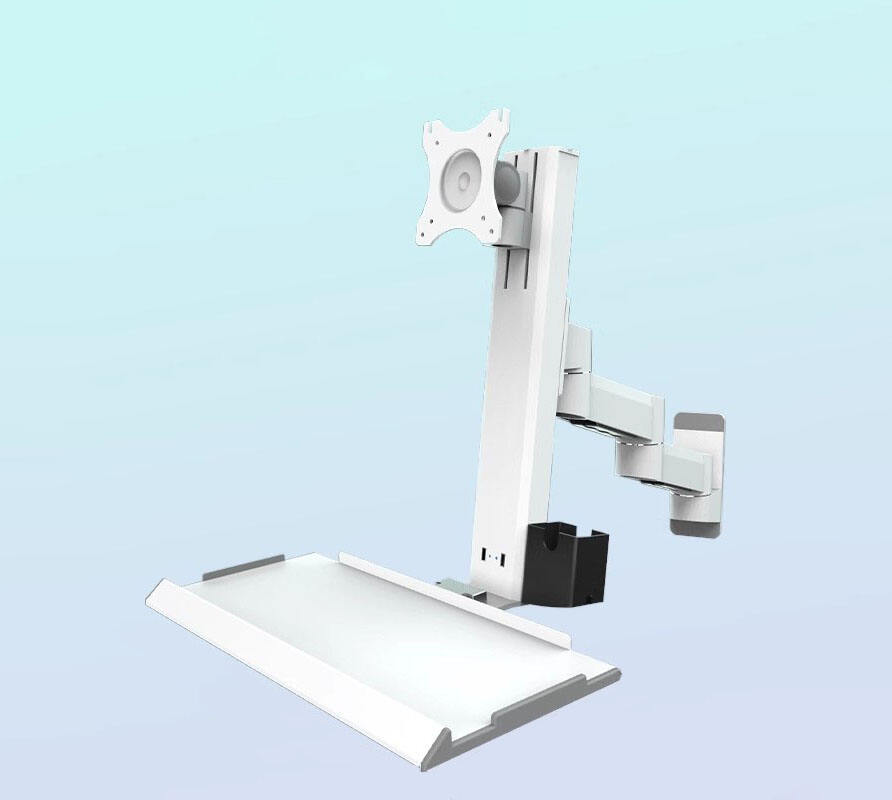
Industrial automation monitor arms represent a critical component in modern manufacturing and industrial control environments, where ergonomic workspace design directly impacts operational efficiency and worker safety. These specialized mounting solutions are engineered to withstand the demanding conditions of industrial facilities while providing flexible positioning for monitoring equipment, control interfaces, and data visualization systems. Understanding the fundamental aspects of industrial automation monitor arms becomes essential for facility managers, automation engineers, and industrial designers who seek to optimize their workspace configurations for maximum productivity and compliance with workplace safety standards.
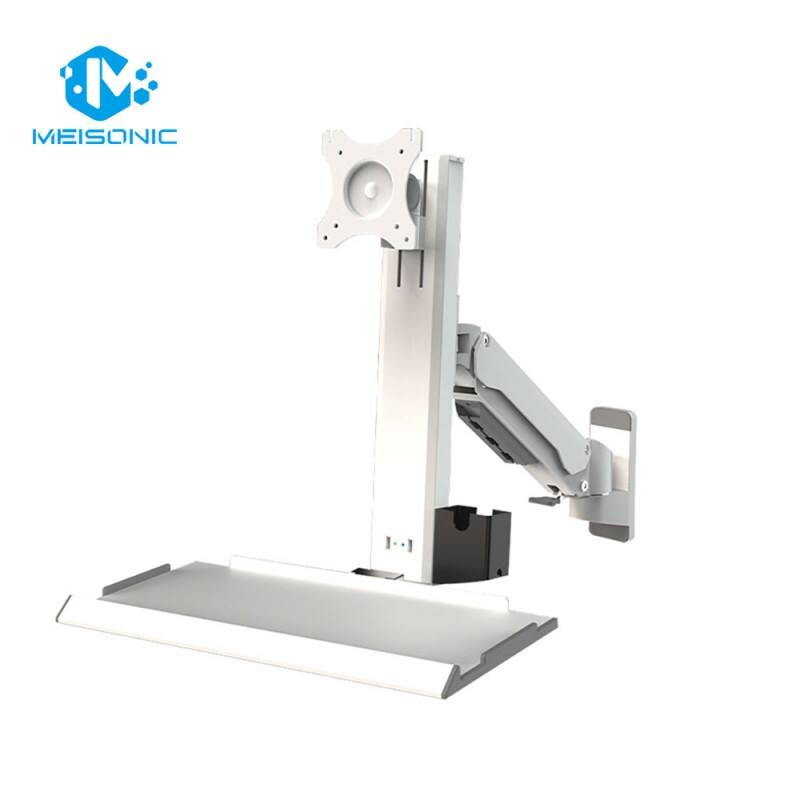
The implementation of proper industrial automation monitor arms extends beyond simple equipment mounting to encompass comprehensive considerations including structural integrity, environmental resistance, operational flexibility, and integration with existing automation infrastructure. These mounting systems must accommodate various monitor sizes, support different input devices, and maintain stable positioning under continuous use conditions. The selection process requires careful evaluation of load capacity, adjustment mechanisms, material specifications, and compatibility with industrial safety protocols to ensure long-term reliability in demanding operational environments.
Core Components and Design Features
Structural Framework and Load Distribution
The foundation of effective industrial automation monitor arms lies in their structural framework, which must distribute weight evenly while maintaining precise positioning capabilities. These systems typically incorporate heavy-duty aluminum or steel construction with reinforced joint mechanisms that can support multiple monitors, keyboards, and additional peripheral devices without compromising stability. The load distribution design ensures that the mounting system can handle the dynamic forces generated during monitor adjustment and daily operational use.
Advanced industrial automation monitor arms feature multi-point articulation systems that allow for smooth movement across multiple axes while maintaining secure locking positions. The structural integrity depends on precision-machined components that resist wear under repeated adjustment cycles, ensuring consistent performance throughout the equipment's operational lifespan. These design elements work together to create a mounting solution that balances flexibility with the robust durability required in industrial environments.
Gas Spring Technology and Counterbalance Systems
Modern industrial automation monitor arms often incorporate sophisticated gas spring technology that provides effortless height adjustment and positioning control. These counterbalance systems automatically compensate for monitor weight, allowing operators to easily reposition displays with minimal physical effort while maintaining precise control over final positioning. The gas spring mechanism reduces operator fatigue and enables frequent adjustments without compromising the mounting system's stability or longevity.
The counterbalance technology in professional-grade industrial automation monitor arms includes adjustable tension controls that can accommodate different monitor weights and user preferences. This adaptability ensures optimal ergonomic positioning for various operators while maintaining consistent performance across different shift patterns and operational requirements. The integration of these systems represents a significant advancement in workplace ergonomics for industrial control environments.
Environmental Resistance and Durability Standards
Industrial-Grade Materials and Coatings
The materials used in industrial automation monitor arms must withstand exposure to various environmental challenges including temperature fluctuations, humidity, chemical exposure, and mechanical vibration. High-quality mounting systems utilize corrosion-resistant alloys, specialized powder coatings, and sealed bearing systems that maintain performance integrity under harsh industrial conditions. These material specifications ensure reliable operation across diverse manufacturing environments from clean rooms to heavy industrial facilities.
Surface treatments and protective coatings play a crucial role in extending the operational life of industrial automation monitor arms. Advanced coating systems provide resistance to chemical cleaning agents, temperature extremes, and physical abrasion while maintaining aesthetic appearance throughout extended use periods. The selection of appropriate materials and coatings directly impacts the total cost of ownership and maintenance requirements for industrial mounting solutions.
Vibration Resistance and Mechanical Stability
Industrial environments often subject equipment to continuous vibration from machinery, conveyor systems, and production processes. Quality industrial automation monitor arms incorporate vibration dampening features and rigid mounting interfaces that minimize display oscillation and maintain clear visibility under these challenging conditions. The mechanical stability ensures that operators can maintain focus on critical control interfaces without distraction from monitor movement or vibration.
The engineering of vibration-resistant industrial automation monitor arms involves careful consideration of resonance frequencies and damping coefficients to prevent sympathetic vibration that could amplify rather than reduce movement. These systems often include isolating mounts and flexible joint designs that absorb external vibration while maintaining rigid support for mounted equipment.
Ergonomic Considerations and Operator Safety
Adjustment Range and Positioning Flexibility
Effective industrial automation monitor arms provide comprehensive adjustment ranges that accommodate different operator heights, sitting and standing work positions, and various viewing angle requirements. The positioning flexibility must account for the diverse physical characteristics of industrial workers while maintaining optimal viewing distances and angles for different types of monitoring tasks. This adaptability directly impacts operator comfort, productivity, and long-term health outcomes in industrial work environments.
The range of motion in professional industrial automation monitor arms typically includes height adjustment, tilt control, rotation capability, and lateral positioning options. These multiple adjustment axes enable operators to achieve personalized ergonomic setups that reduce neck strain, eye fatigue, and repetitive stress injuries commonly associated with prolonged monitoring activities in industrial settings.
Safety Integration and Compliance Standards
Industrial automation monitor arms must comply with various safety standards and workplace regulations that govern equipment design and installation in manufacturing environments. These compliance requirements often include specifications for emergency stop accessibility, cable management safety, and integration with existing safety systems. The mounting solutions must not interfere with evacuation procedures or create additional safety hazards in emergency situations.
Safety considerations in industrial automation monitor arms extend to the prevention of equipment failure modes that could cause injury or property damage. Robust locking mechanisms, fail-safe designs, and clearly marked weight limits help ensure safe operation throughout the equipment's service life. Regular safety assessments and maintenance protocols further support the safe integration of these systems into industrial workflows.
Installation Requirements and Integration Considerations
Mounting Infrastructure and Load Requirements
The successful implementation of industrial automation monitor arms requires careful evaluation of existing mounting infrastructure and structural load capacity. Installation teams must assess desk surfaces, wall structures, or ceiling mounting points to ensure adequate support for the combined weight of the mounting system and attached equipment. Proper installation planning prevents structural damage and ensures stable operation under all anticipated load conditions.
Different mounting configurations for industrial automation monitor arms offer varying advantages depending on the specific application requirements and available space. Desk clamp mounts provide flexibility and easy installation, while through-desk mounts offer enhanced stability for heavier configurations. Wall and ceiling-mounted options maximize workspace area but require more extensive structural evaluation and installation procedures.
Cable Management and System Integration
Professional industrial automation monitor arms incorporate comprehensive cable management systems that organize power, data, and control cables while maintaining the flexibility needed for monitor positioning. Effective cable management prevents tangling, reduces wear on cables during movement, and maintains clean workspace appearance. These systems must accommodate various cable types and quantities while providing easy access for maintenance and modifications.
Integration with existing automation systems requires careful planning of cable routing, connector accessibility, and electromagnetic compatibility considerations. Industrial automation monitor arms should facilitate rather than complicate the connection of monitors to control systems, data networks, and peripheral devices. Proper planning ensures that the mounting solution enhances rather than restricts the functionality of the overall automation system.
Selection Criteria and Application Matching
Load Capacity and Equipment Compatibility
Selecting appropriate industrial automation monitor arms begins with accurate assessment of the total weight and dimensions of equipment to be mounted. This evaluation must include not only the primary monitor but also any additional devices such as keyboards, touchscreens, or control panels that will be supported by the mounting system. Proper load matching ensures stable operation and prevents premature wear or failure of the mounting mechanisms.
Compatibility considerations for industrial automation monitor arms extend beyond simple weight limits to include VESA mounting patterns, cable requirements, and integration with specific monitor technologies. Different industrial monitor types may have unique mounting requirements or operational characteristics that influence the selection of appropriate mounting solutions. Understanding these compatibility factors early in the selection process prevents costly modifications or replacements later.
Operational Environment and Performance Requirements
The operational environment significantly influences the selection of suitable industrial automation monitor arms, with factors including temperature range, humidity levels, chemical exposure, and cleanliness requirements all impacting material and design choices. Different industrial sectors may have specific environmental challenges that require specialized mounting solutions with enhanced protection or particular material specifications.
Performance requirements such as adjustment frequency, positioning precision, and operational lifespan must align with the capabilities of selected industrial automation monitor arms. Applications requiring frequent repositioning benefit from high-quality gas spring systems and smooth articulation mechanisms, while static installations may prioritize structural strength and environmental resistance over adjustment capabilities. Matching performance characteristics to actual operational needs optimizes both cost-effectiveness and long-term satisfaction with the mounting solution.
FAQ
What weight capacity should I look for in industrial automation monitor arms?
Industrial automation monitor arms should have a weight capacity that exceeds your total equipment load by at least 20% to ensure stable operation and account for any future additions. Most industrial-grade systems support between 15-35 pounds per monitor, but you must calculate the combined weight of all mounted equipment including keyboards, tablets, or additional displays. Consider dynamic loading factors and the weight distribution across multiple mounting points when evaluating capacity requirements.
How do industrial automation monitor arms differ from standard office monitor arms?
Industrial automation monitor arms are built to withstand harsh environmental conditions including temperature extremes, vibration, chemical exposure, and continuous operation cycles that would quickly damage standard office equipment. They feature enhanced materials, protective coatings, sealed mechanisms, and more robust construction to ensure reliable performance in manufacturing environments. Additionally, industrial versions often provide greater weight capacity, more extensive adjustment ranges, and compliance with industrial safety standards.
Can industrial automation monitor arms accommodate multiple monitors simultaneously?
Many industrial automation monitor arms are designed to support multiple monitors through dual or triple mounting configurations, allowing operators to monitor several systems or data streams simultaneously. These multi-monitor solutions maintain independent adjustment capability for each display while sharing a common mounting structure. The key considerations include total weight capacity, adequate spacing between monitors, and ensuring that the mounting system can handle the increased leverage forces generated by multiple displays.
What maintenance is required for industrial automation monitor arms?
Regular maintenance for industrial automation monitor arms includes periodic cleaning with appropriate industrial cleaners, inspection of mounting hardware for tightness, lubrication of moving joints according to manufacturer specifications, and verification of gas spring pressure and adjustment mechanism operation. Preventive maintenance schedules should align with your facility's equipment maintenance programs, typically involving monthly visual inspections and quarterly detailed maintenance procedures to ensure continued safe and reliable operation throughout the equipment's service life.
Table of Contents
- Core Components and Design Features
- Environmental Resistance and Durability Standards
- Ergonomic Considerations and Operator Safety
- Installation Requirements and Integration Considerations
- Selection Criteria and Application Matching
-
FAQ
- What weight capacity should I look for in industrial automation monitor arms?
- How do industrial automation monitor arms differ from standard office monitor arms?
- Can industrial automation monitor arms accommodate multiple monitors simultaneously?
- What maintenance is required for industrial automation monitor arms?