 EN
EN


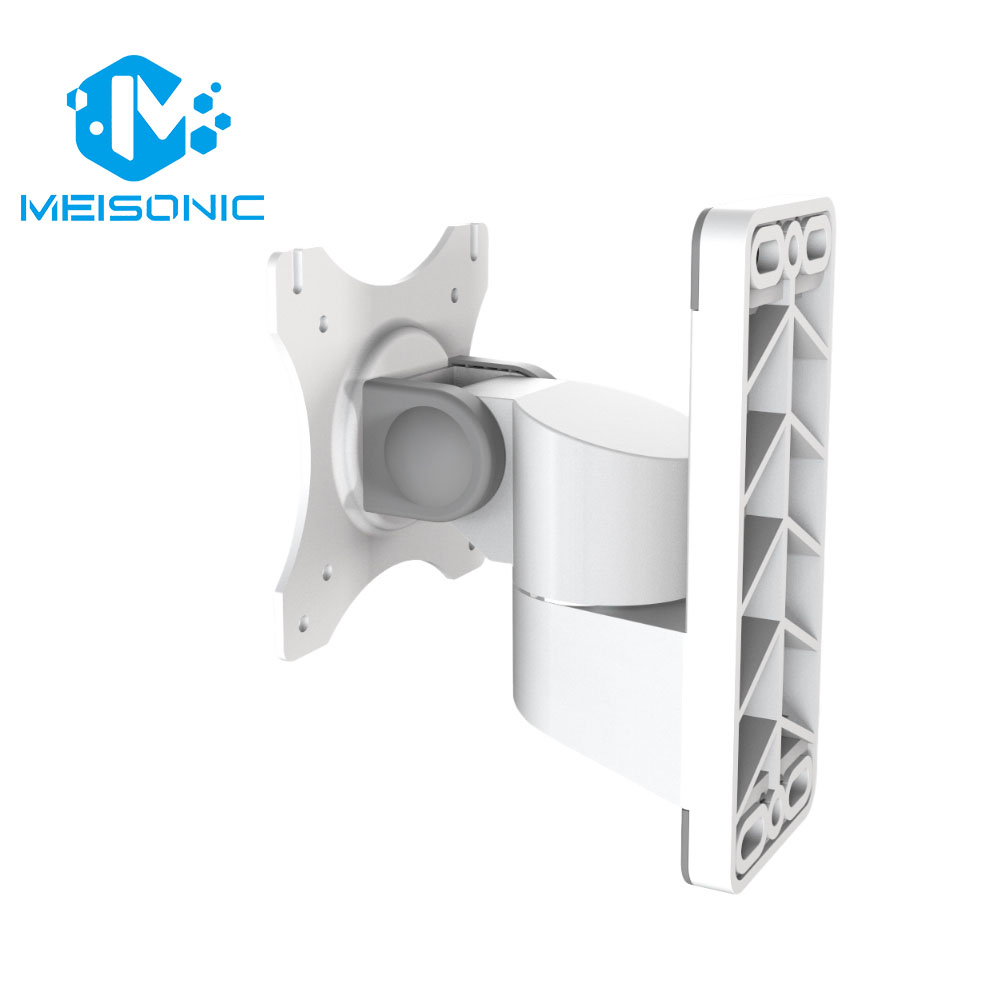
Industrial human-machine interfaces require secure, accessible, and ergonomic mounting systems to deliver optimal performance in demanding manufacturing environments. The selection of appropriate HMI mounting solutions directly impacts operator efficiency, equipment accessibility, and overall workplace safety. Modern industrial facilities demand mounting systems that combine structural integrity with operational flexibility, ensuring that critical control interfaces remain accessible during routine operations and maintenance procedures.
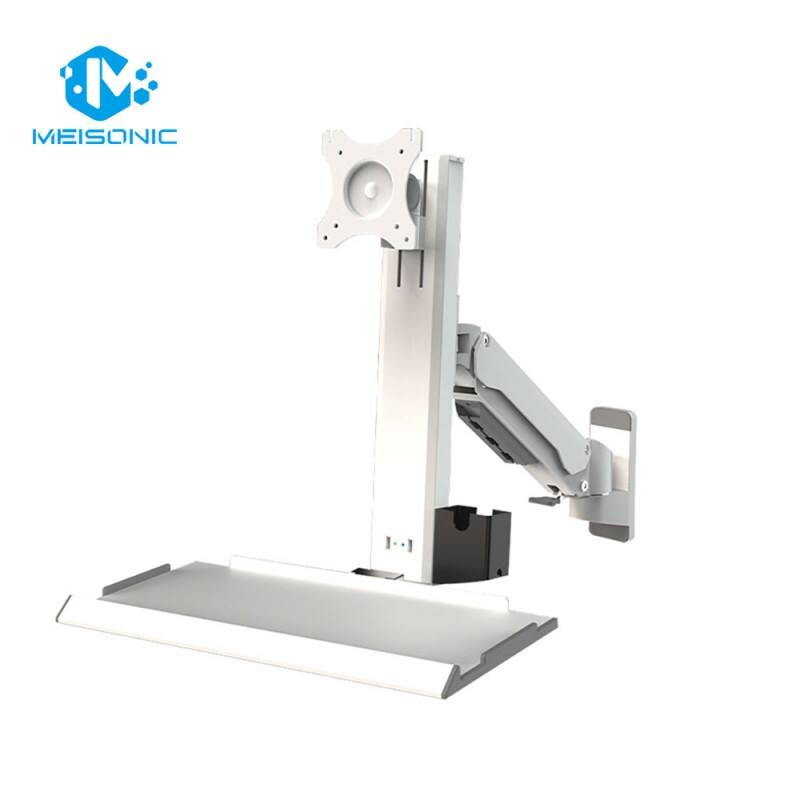
Simple HMI mounting solutions streamline industrial operations by eliminating complex installation procedures while maintaining the robust performance standards required in manufacturing environments. These mounting systems prioritize ease of deployment, maintenance accessibility, and operator comfort without compromising the structural reliability essential for continuous industrial use. Understanding the key characteristics and applications of simplified mounting approaches enables facility managers to make informed decisions that enhance both operational efficiency and long-term system reliability.
Core Design Principles for Industrial HMI Mounting
Structural Simplicity and Reliability
Effective HMI mounting solutions balance mechanical simplicity with industrial-grade durability requirements. The design philosophy centers on minimizing potential failure points while ensuring adequate load distribution across mounting surfaces. Simple mounting mechanisms typically feature fewer moving components, reducing maintenance requirements and potential sources of mechanical failure in harsh industrial environments.
Industrial mounting systems must accommodate varying operator heights and working positions while maintaining structural integrity under continuous use. The mounting hardware should distribute interface weight evenly across attachment points, preventing stress concentrations that could compromise long-term stability. Material selection plays a crucial role in achieving this balance, with aluminum alloys and steel components providing optimal strength-to-weight ratios for most industrial applications.
Gas spring arm mechanisms represent an effective approach to HMI mounting solutions that combine adjustability with operational simplicity. These systems allow operators to position interfaces at optimal viewing angles while providing smooth, controlled movement that reduces physical strain during extended use periods. The gas spring mechanism maintains position stability without requiring complex locking mechanisms or frequent readjustment.
Ergonomic Positioning and Accessibility
Proper ergonomic positioning significantly impacts operator productivity and reduces workplace injury risks associated with repetitive interface interactions. HMI mounting solutions should enable positioning that maintains neutral wrist angles and comfortable viewing distances for operators of varying statures. The mounting system should accommodate both standing and seated operation modes where facility layouts permit such flexibility.
Accessibility considerations extend beyond initial positioning to include maintenance access and emergency operation scenarios. Mounting designs should provide clear access to interface connections, power supplies, and ventilation areas without requiring complete system disassembly. This accessibility requirement influences both the mounting arm design and the clearance specifications around the mounted interface.
Simple adjustment mechanisms enable operators to modify interface positioning throughout their work shifts without requiring tools or complex procedures. Spring-loaded adjustment systems or friction-based positioning mechanisms provide immediate response to operator positioning needs while maintaining sufficient holding force to prevent unwanted movement during normal operation.
Installation and Integration Considerations
Mounting Surface Requirements
Industrial HMI mounting solutions require appropriate mounting surfaces that can support both static loads and dynamic forces generated during interface operation. The mounting surface must provide adequate structural support for the combined weight of the interface, mounting hardware, and any additional peripherals such as keyboards or auxiliary displays. Surface preparation requirements should be minimized to reduce installation complexity and associated downtime.
Desk-mounted and wall-mounted configurations each present distinct advantages depending on facility layout and operational requirements. Desk mounting typically provides more stable platforms for keyboard integration and document reference, while wall mounting conserves valuable workspace and provides greater positioning flexibility. The choice between mounting approaches should consider operator workflow patterns and available infrastructure.
Mounting hardware compatibility with standard industrial furniture and structural elements simplifies integration into existing facilities. Standard bolt patterns and common mounting hole configurations reduce the need for custom fabrication or extensive modifications to existing infrastructure. This compatibility consideration is particularly important for retrofit installations in established manufacturing environments.
Cable Management and Protection
Effective cable management prevents interference with mounting system operation while protecting critical interface connections from industrial environmental hazards. HMI mounting solutions should incorporate integrated cable routing that maintains connection integrity during interface repositioning. The cable management system should accommodate standard industrial cable types and connector configurations without requiring specialized components.
Cable protection becomes particularly important in mounting systems that enable interface movement or repositioning. The cable management design should prevent stress concentration at connection points while allowing sufficient cable length for the full range of intended interface movement. Strain relief mechanisms protect both the interface connections and the mounting system from damage caused by excessive cable tension.
Routing pathways should direct cables away from moving components and potential pinch points within the mounting mechanism. This protection consideration extends to both power and data cables, ensuring that interface functionality remains reliable throughout the full range of mounting system operation. Simple cable clamps or guided channels provide effective protection without adding unnecessary complexity to the mounting system.
Application Scenarios and Use Cases
Manufacturing Control Stations
Manufacturing control stations benefit significantly from HMI mounting solutions that enable rapid interface positioning adjustments to accommodate different operators and production requirements. The mounting system should support interfaces ranging from compact touch panels to larger display units with integrated keyboards. Positioning flexibility allows operators to optimize viewing angles for different production tasks while maintaining comfortable working postures.
Production line applications often require mounting systems that can withstand vibration from nearby machinery while maintaining stable interface positioning. The mounting hardware should provide adequate isolation from environmental vibration without compromising the responsiveness of touch-based interfaces. Gas spring mechanisms excel in these applications by providing both vibration dampening and smooth positioning adjustment.
Multi-shift operations place additional demands on HMI mounting solutions, requiring systems that enable quick position adjustments for operators of different statures and working preferences. The adjustment mechanism should operate smoothly throughout extended use periods without developing excessive play or positioning drift. Simple mechanical systems typically provide more reliable long-term performance than complex electronic positioning systems in these demanding applications.
Quality Control and Inspection Workstations
Quality control workstations require HMI mounting solutions that accommodate detailed inspection work while providing access to data entry and documentation interfaces. The mounting system should enable precise positioning for close inspection work while allowing rapid repositioning for data entry tasks. This dual-purpose capability requires mounting mechanisms that provide both fine positioning control and adequate holding force.
Inspection applications often involve interfaces that integrate keyboards, pointing devices, and specialized input hardware. The HMI mounting solutions should accommodate this peripheral integration without compromising the stability or adjustability of the primary display interface. Integrated keyboard platforms or auxiliary mounting points provide effective solutions for complex interface configurations.
Documentation requirements in quality control environments necessitate mounting systems that enable simultaneous access to digital interfaces and paper-based reference materials. The mounting configuration should provide adequate workspace organization while maintaining clear sight lines to critical process indicators and control elements. This requirement influences both the mounting arm geometry and the workspace layout around the mounted interface.
Performance Optimization and Maintenance
Operational Reliability Factors
Long-term operational reliability of HMI mounting solutions depends on proper component selection and appropriate maintenance protocols. Simple mechanical systems typically provide more predictable performance characteristics and longer service life than complex mechanisms with multiple moving parts. The design should minimize wear points and provide easy access for routine lubrication and inspection procedures.
Environmental considerations significantly impact mounting system performance in industrial applications. Dust, temperature variations, and chemical exposure can affect mechanical components and adjustment mechanisms over time. Simple mounting designs with appropriate environmental sealing provide more reliable performance than complex systems with multiple sealed joints or electronic components.
Load capacity specifications should account for both the static weight of mounted interfaces and dynamic loads generated during normal operation. Touch interface interaction forces can create significant moment loads on mounting arms, particularly with larger display interfaces. The mounting system design should provide adequate safety margins for these operational loads while maintaining positioning accuracy throughout the service life.
Preventive Maintenance Protocols
Effective maintenance protocols for HMI mounting solutions focus on preserving adjustment mechanism functionality and preventing premature component wear. Regular inspection schedules should include verification of mounting bolt torque, assessment of adjustment mechanism operation, and evaluation of cable management system integrity. These inspection procedures should be simple enough to integrate into existing facility maintenance routines.
Lubrication requirements vary depending on mounting mechanism design and environmental conditions. Gas spring systems typically require minimal maintenance beyond periodic inspection, while friction-based adjustment mechanisms may require periodic lubrication to maintain smooth operation. The maintenance protocol should specify appropriate lubricants and application procedures that maintain environmental compliance requirements.
Component replacement procedures should be straightforward enough to minimize system downtime and reduce maintenance skill requirements. Simple mounting designs enable rapid component replacement using standard industrial tools and readily available hardware components. This maintainability consideration becomes particularly important in facilities with limited maintenance resources or specialized technical support.
FAQ
What factors determine the appropriate mounting height for industrial HMI interfaces?
Optimal mounting height depends on operator anthropometric data, typical working postures, and interface viewing requirements. The interface should be positioned to maintain neutral neck angles and comfortable viewing distances while accommodating both standing and seated operators where applicable. Adjustable mounting systems provide the flexibility to optimize positioning for individual operators and varying task requirements.
How do gas spring arm mechanisms compare to fixed mounting solutions for industrial applications?
Gas spring arm mechanisms provide superior positioning flexibility and operator comfort compared to fixed mounting solutions, while maintaining adequate stability for industrial use. These systems enable real-time positioning adjustments without tools and provide vibration dampening that can improve interface performance. Fixed mounting solutions may be more appropriate for applications where interface position remains constant and maximum rigidity is required.
What cable management considerations are most important for movable HMI mounting systems?
Cable management for movable mounting systems must prevent stress concentration at connection points while providing adequate length for the full range of interface movement. Integrated cable routing pathways protect connections from environmental hazards and prevent interference with mounting mechanism operation. Strain relief mechanisms at both the interface and mounting base connections ensure long-term cable integrity and system reliability.
Can simple mounting solutions accommodate both touch screen interfaces and traditional keyboard input devices?
Modern HMI mounting solutions can effectively accommodate integrated configurations that include both touch screen interfaces and keyboard input devices. Mounting systems with auxiliary platforms or integrated keyboard support maintain proper ergonomic positioning for both input methods while preserving the adjustability and stability required for industrial applications. The mounting design should ensure that keyboard positioning does not interfere with display viewing angles or touch screen accessibility.
Table of Contents
- Core Design Principles for Industrial HMI Mounting
- Installation and Integration Considerations
- Application Scenarios and Use Cases
- Performance Optimization and Maintenance
-
FAQ
- What factors determine the appropriate mounting height for industrial HMI interfaces?
- How do gas spring arm mechanisms compare to fixed mounting solutions for industrial applications?
- What cable management considerations are most important for movable HMI mounting systems?
- Can simple mounting solutions accommodate both touch screen interfaces and traditional keyboard input devices?