 EN
EN


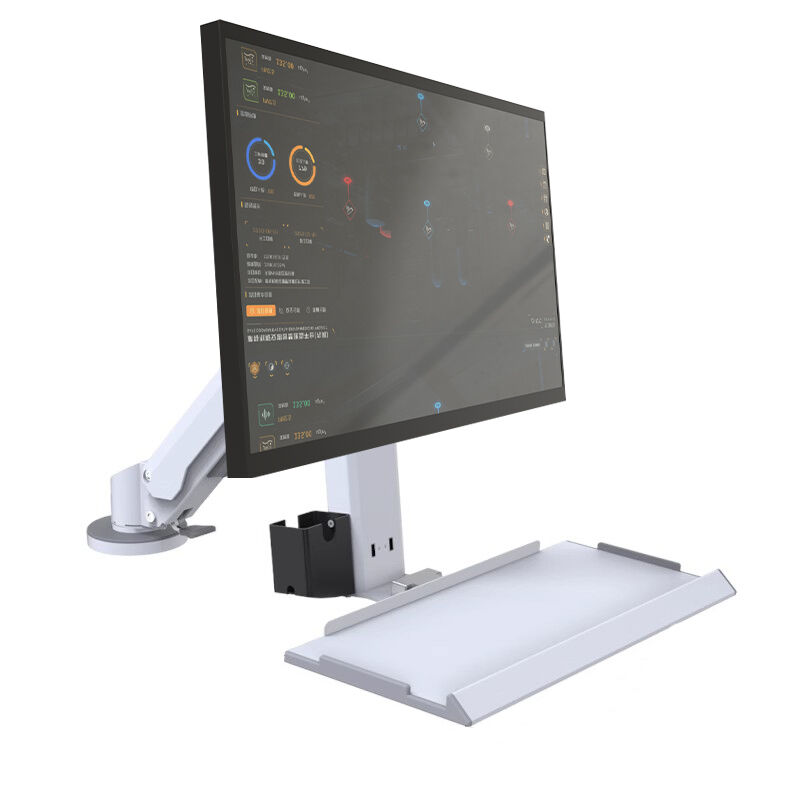
Selecting the right monitor arm for automation production lines requires careful consideration of industrial demands, ergonomic needs, and operational flexibility. Manufacturing environments present unique challenges that standard office monitor arms cannot address, including vibration resistance, chemical exposure, and the need for precise positioning across multiple workstations. A properly chosen monitor arm enhances operator efficiency, reduces workplace injuries, and supports lean manufacturing principles by optimizing workspace layouts.
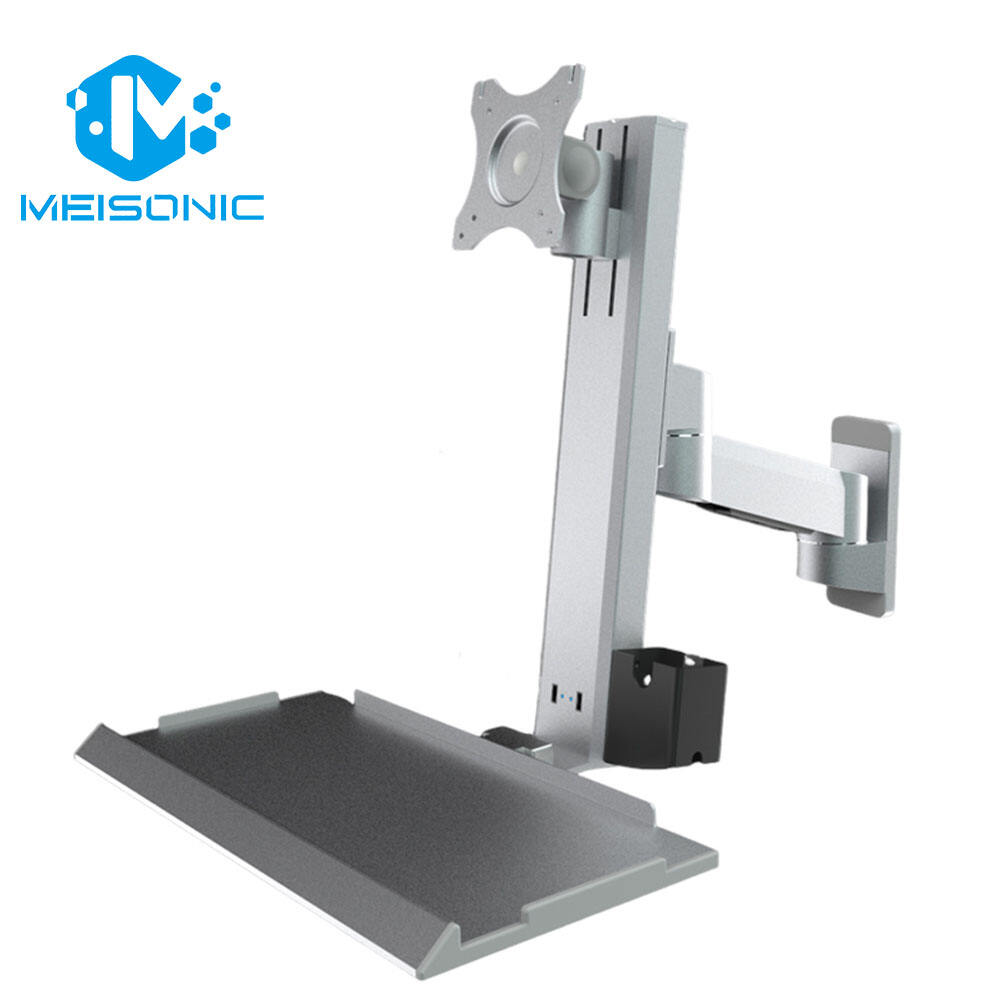
Industrial monitor arm solutions differ significantly from commercial alternatives, incorporating features like anti-vibration mounting, IP-rated protection, and modular configurations that adapt to diverse production line requirements. Understanding these specialized options enables facility managers and automation engineers to make informed decisions that support both current operations and future scalability needs.
Industrial Monitor Arm Design Requirements
Structural Durability Standards
Industrial monitor arms must withstand continuous operation in demanding environments where standard equipment would fail prematurely. These mounting solutions incorporate reinforced joints, corrosion-resistant materials, and enhanced load-bearing capabilities that exceed typical office requirements. The structural integrity of an industrial monitor arm directly impacts production uptime, as equipment failures can halt entire assembly lines and result in significant financial losses.
Manufacturing facilities generate constant vibrations from machinery, conveyor systems, and production equipment that can cause monitor drift and operator fatigue. A quality monitor arm includes dampening mechanisms and rigid mounting points that maintain display stability even in high-vibration environments. This stability becomes critical when operators must make precise visual inspections or interact with touch-screen interfaces for extended periods.
Material selection for industrial monitor arms typically favors aluminum alloys, stainless steel, or specialized composites that resist chemical exposure and temperature fluctuations. These materials maintain their structural properties across wide temperature ranges and resist degradation from cleaning solvents, lubricants, and other industrial chemicals commonly found in production environments.
Environmental Protection Features
Automation production lines expose monitor arms to dust, moisture, chemical vapors, and temperature extremes that require specialized protection beyond standard commercial ratings. Industrial monitor arm housings incorporate sealed joints, protective coatings, and drainage features that prevent contaminant ingress while maintaining smooth articulation throughout their operational life.
IP rating specifications become crucial when selecting a monitor arm for specific production environments. Food processing facilities require IP65 or higher ratings to withstand frequent washdowns, while electronics manufacturing may prioritize static dissipation features over moisture protection. Understanding these environmental requirements helps narrow the selection to appropriate protection levels without over-engineering solutions.
Chemical resistance varies significantly among monitor arm materials and finishes, making compatibility assessment essential for facilities using aggressive cleaning agents or processing corrosive materials. Anodized aluminum provides excellent general resistance, while specialized polymer coatings offer enhanced protection against specific chemical families commonly encountered in pharmaceutical or chemical processing operations.
Ergonomic Considerations for Production Line Workers
Operator Comfort and Safety
Production line workers often spend entire shifts monitoring displays, making ergonomic monitor positioning critical for preventing repetitive strain injuries and maintaining productivity levels. An appropriately configured monitor arm enables precise height, tilt, and rotation adjustments that accommodate different operator heights and working positions throughout production shifts.
Visual ergonomics in industrial settings require careful attention to viewing angles, screen distance, and ambient lighting conditions that differ significantly from office environments. Production line monitor arms must provide sufficient range of motion to position displays within optimal viewing zones while maintaining stability during operation. This flexibility becomes particularly important in facilities with multiple shift workers of varying heights and ergonomic preferences.
Safety considerations extend beyond basic ergonomics to include emergency accessibility, pinch point protection, and fail-safe mechanisms that prevent unexpected movement during critical operations. Industrial monitor arm designs incorporate safety features like positive locking mechanisms, rounded edges, and emergency release systems that protect workers while maintaining operational efficiency.
Multi-Operator Workstation Design
Many automation production lines require monitor sharing among multiple operators or rapid position changes to accommodate different production processes. Monitor arm solutions for these applications emphasize quick-adjust mechanisms, preset position memory, and intuitive controls that minimize setup time between changeovers. These features directly impact production efficiency by reducing non-value-added activities and supporting lean manufacturing principles.
Workspace optimization in production environments requires monitor arms that maximize usable surface area while providing necessary display access. Articulating designs that swing monitors out of the way during manual operations or fold flat against walls during maintenance activities help maintain clean, efficient work areas. This flexibility becomes essential in lean manufacturing environments where every square foot of floor space contributes to operational efficiency.
Training considerations for multi-operator monitor arm systems include standardized adjustment procedures, position marking systems, and simplified control interfaces that minimize learning curves for new workers. Consistent operation across multiple workstations reduces confusion and ensures proper ergonomic positioning regardless of which operator uses the equipment.
Integration with Automation Equipment
Mounting Compatibility and Installation
Automation production lines incorporate diverse equipment types that create specific mounting challenges for monitor arm installation. Integration requirements include compatibility with existing machinery frames, adequate clearance for moving components, and accessibility for maintenance activities. A well-designed monitor arm installation plan considers current equipment layouts and future expansion possibilities to maximize long-term value.
Mounting point selection affects both monitor arm performance and overall production line safety, requiring careful analysis of structural loads, vibration transmission, and emergency access requirements. Industrial facilities often utilize overhead mounting solutions that free up valuable floor space while providing optimal viewing angles for production monitoring. These installations require specialized mounting hardware and engineering analysis to ensure adequate load capacity and structural integrity.
Cable management becomes critical in automation environments where monitor arms must route power, data, and control signals without interfering with moving machinery or creating safety hazards. Integrated cable management systems protect wiring from damage while maintaining the clean appearance and accessibility required in modern production facilities. These systems often incorporate strain relief, electromagnetic shielding, and quick-disconnect features that support maintenance activities.
Control System Integration
Modern automation systems require monitor arms that integrate seamlessly with supervisory control and data acquisition systems, programmable logic controllers, and human-machine interfaces. This integration enables remote position control, status monitoring, and coordinated movement with production equipment. Advanced monitor arm systems incorporate position feedback sensors, network connectivity, and programmable preset positions that support automated production sequences.
Real-time communication capabilities allow monitor arms to respond automatically to production line conditions, positioning displays optimally for specific operations or moving them to safety positions during equipment maintenance. These smart features reduce operator workload and ensure consistent display positioning regardless of production variables or operator experience levels.
Network integration requirements include compatibility with industrial communication protocols, cybersecurity standards, and data logging capabilities that support continuous improvement initiatives. Monitor arm systems that provide operational data help facility managers optimize workstation layouts, identify ergonomic issues, and plan maintenance activities based on actual usage patterns rather than theoretical schedules.
Operational Efficiency and Maintenance
Performance Optimization Strategies
Maximizing monitor arm performance in automation production lines requires systematic attention to positioning accuracy, movement smoothness, and response time characteristics that directly impact operator productivity. Regular calibration procedures ensure that monitor arms maintain precise positioning capabilities throughout their service life, while preventive maintenance programs address wear items before they affect performance.
Operational efficiency metrics for monitor arm systems include positioning accuracy, adjustment speed, and repeatability measurements that quantify performance against production requirements. These metrics help identify optimization opportunities and support data-driven decisions about equipment upgrades or configuration changes. Facilities that track monitor arm performance often discover significant productivity improvements through minor positioning adjustments or operational procedure modifications.
Energy efficiency considerations become important in facilities with large numbers of monitor arms, particularly those incorporating motorized positioning systems. Modern monitor arm designs emphasize low-power operation, energy recovery mechanisms, and intelligent power management that reduce operational costs while maintaining full functionality. These features contribute to overall facility sustainability goals while reducing long-term operating expenses.
Maintenance and Service Requirements
Industrial monitor arm maintenance programs must balance uptime requirements with the need for regular service to ensure reliable operation throughout demanding production schedules. Predictive maintenance approaches utilize sensor data and operational history to schedule service activities during planned downtime periods, minimizing production interruptions while maintaining equipment reliability.
Component accessibility design affects maintenance efficiency and overall lifecycle costs, making serviceability a critical selection criterion for production line monitor arms. Systems that provide easy access to wear items, clear diagnostic indicators, and modular component replacement capabilities reduce maintenance time and associated production losses. These features become particularly valuable in 24/7 production environments where maintenance windows are limited.
Spare parts availability and technical support quality significantly impact the total cost of ownership for monitor arm systems in critical production applications. Establishing relationships with suppliers who provide comprehensive support, readily available components, and emergency service capabilities helps ensure minimal production disruptions when equipment issues occur.
FAQ
What weight capacity should I consider for production line monitor arms?
Industrial monitor arms should support 1.5 to 2 times the actual monitor weight to account for dynamic loading and future upgrades. Most production line applications require arms rated for 15-50 pounds, though heavy industrial displays may need specialized high-capacity solutions. Consider the total weight including mounting brackets, protective enclosures, and any additional equipment attached to the display.
How do I determine the right reach and height adjustment range?
Measure the maximum distance from mounting points to required viewing positions, then add 20% buffer for flexibility. Height adjustment range should accommodate the tallest and shortest operators plus 6 inches on each end. Consider production line layout changes and ensure the monitor arm can position displays optimally for both current and anticipated future workstation configurations.
What environmental ratings are necessary for different production environments?
Clean manufacturing environments typically require IP54 protection, while food processing and chemical facilities need IP65 or higher ratings. Consider specific contaminants like metal particles, oils, chemicals, or moisture that could affect monitor arm operation. Temperature ratings should exceed expected environmental ranges by at least 10 degrees Celsius on both ends of the scale.
How often should industrial monitor arms undergo maintenance inspection?
Monthly visual inspections should check for loose fasteners, excessive wear, and proper operation of all adjustment mechanisms. Quarterly detailed inspections should include lubrication, torque verification, and position accuracy testing. Annual comprehensive maintenance should involve complete disassembly, component replacement, and calibration verification to ensure continued reliable operation throughout the service life.