 EN
EN


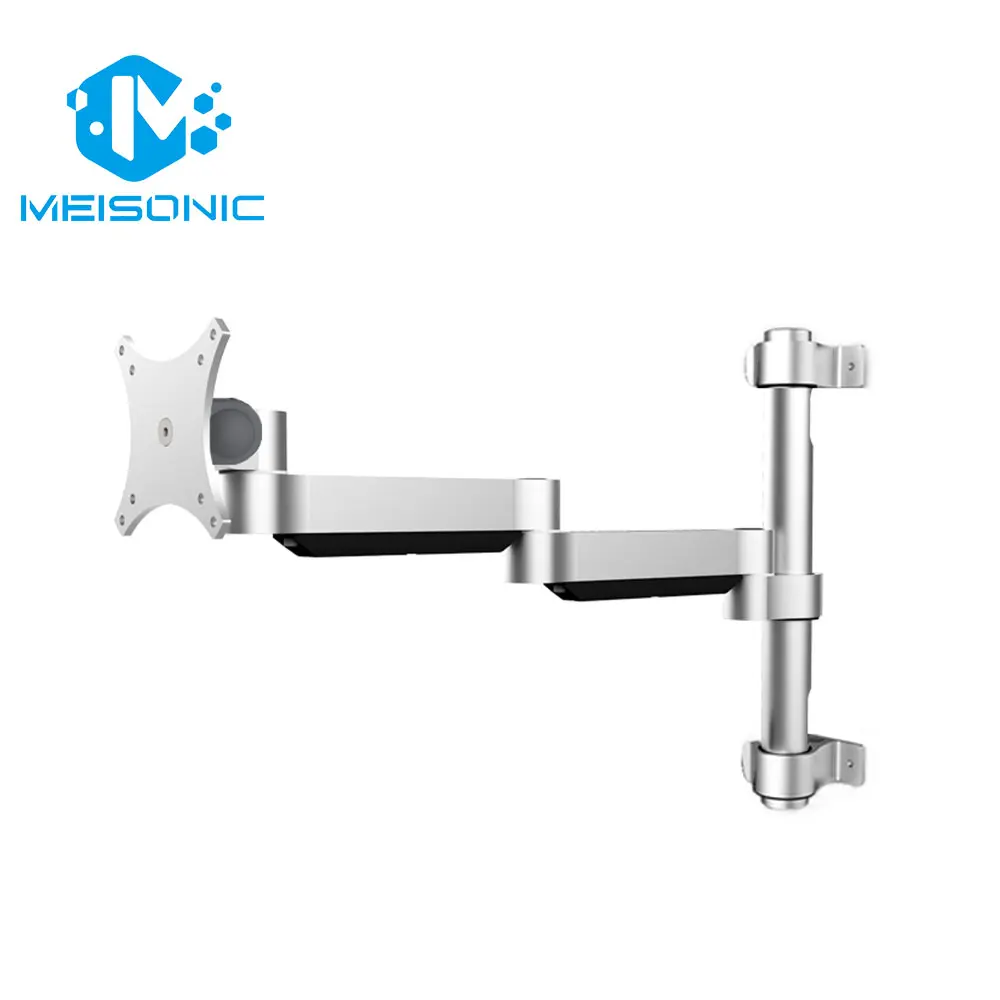
Modern industrial facilities are experiencing a profound transformation as automation technologies reshape manufacturing processes. Central to this evolution is the critical need for ergonomic workspace solutions that enhance operator efficiency while reducing physical strain. Factories worldwide are recognizing that traditional fixed monitor setups no longer meet the demanding requirements of contemporary automated workstations. The implementation of adjustable monitor arms represents a strategic investment that addresses multiple operational challenges simultaneously, from improving worker comfort to optimizing space utilization in industrial environments.
The integration of advanced monitoring systems in automated production lines demands flexible display solutions that can accommodate various operational scenarios. Factory operators frequently need to monitor multiple processes simultaneously, requiring displays positioned at different angles and heights throughout their work shifts. Traditional mounting systems create rigid workspace constraints that force operators into uncomfortable positions, leading to decreased productivity and increased risk of repetitive strain injuries. This fundamental limitation has prompted forward-thinking manufacturers to explore adjustable monitor arms as a comprehensive solution for modern industrial challenges.
Enhanced Ergonomic Benefits in Industrial Settings
Reducing Operator Fatigue Through Optimal Positioning
The implementation of adjustable monitor arms in factory environments directly addresses the critical issue of operator fatigue that commonly affects productivity levels. When monitors are positioned at inappropriate heights or angles, operators must constantly adjust their posture to maintain visual contact with essential information displays. This repetitive strain contributes to neck pain, shoulder tension, and eye fatigue that accumulates throughout extended work shifts. Adjustable monitor arms enable operators to position screens at their optimal viewing angle, maintaining neutral spine alignment while reducing muscular tension.
Industrial ergonomics research consistently demonstrates that properly positioned monitors significantly reduce the incidence of work-related musculoskeletal disorders among factory personnel. The ability to customize monitor height, tilt, and rotation ensures that each operator can achieve their ideal viewing configuration regardless of their physical stature or workstation requirements. This personalization capability becomes particularly valuable in facilities operating multiple shifts, where different operators share the same workstations throughout the day.
Accommodating Diverse Operator Requirements
Manufacturing facilities employ workers with varying physical characteristics, creating unique challenges for standardized workstation designs. Fixed monitor positions inevitably create suboptimal viewing conditions for a significant portion of the workforce, potentially compromising both comfort and operational efficiency. Adjustable monitor arms provide the flexibility needed to accommodate operators of different heights, arm lengths, and visual requirements without requiring separate workstation configurations for each individual.
The versatility of quality adjustable monitor arms extends beyond basic height adjustments to include comprehensive positioning options such as 360-degree rotation, forward and backward reach adjustments, and precise tilt controls. These features enable operators to quickly reconfigure their display setup based on specific task requirements, whether monitoring production metrics, reviewing technical documentation, or analyzing quality control data. This adaptability proves essential in modern factories where operators frequently transition between different responsibilities throughout their shifts.
Maximizing Space Efficiency in Automated Environments
Optimizing Limited Factory Floor Space
Contemporary manufacturing facilities face increasing pressure to maximize operational efficiency within constrained physical spaces. Traditional monitor stands occupy valuable desk surface area that could otherwise accommodate essential tools, documentation, or control interfaces. The space-saving design of adjustable monitor arms elevates displays above the work surface, freeing up crucial workspace for other operational requirements while maintaining easy access to visual information.
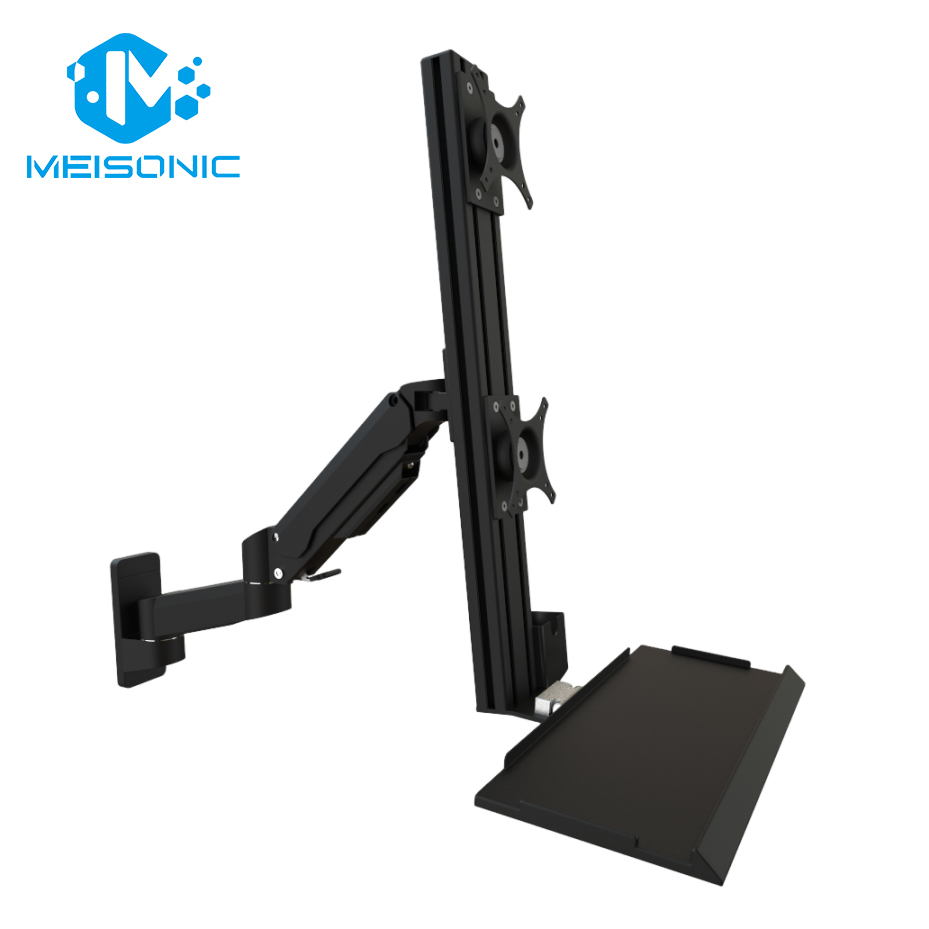
The compact footprint of modern adjustable monitor arms enables factories to implement multi-monitor configurations without significantly expanding workstation dimensions. This capability proves particularly valuable in automated environments where operators must simultaneously monitor various production parameters, quality metrics, and safety indicators. By utilizing vertical space more effectively, facilities can enhance their monitoring capabilities while maintaining efficient workflow patterns throughout the production area.
Supporting Multi-Monitor Configurations
Advanced manufacturing operations increasingly require comprehensive visual oversight that extends beyond single-monitor capabilities. Operators must frequently monitor multiple data streams, production lines, and quality control systems simultaneously, necessitating sophisticated display configurations. Adjustable monitor arms designed for dual or triple monitor setups enable factories to implement comprehensive monitoring solutions without overwhelming individual workstations or compromising operator comfort.
The modular nature of professional-grade adjustable monitor arms allows facilities to scale their display configurations based on evolving operational requirements. Manufacturers can begin with single-monitor implementations and gradually expand to multi-monitor setups as their automation systems become more sophisticated. This scalability ensures that initial investments in mounting infrastructure remain valuable throughout facility upgrades and technology transitions.
Improving Operational Flexibility and Productivity
Adapting to Dynamic Production Requirements
Modern manufacturing environments demand unprecedented flexibility to accommodate changing production schedules, product variations, and operational procedures. Static monitor configurations create limitations that can hinder rapid adaptation to new requirements or emergency situations. Adjustable monitor arms provide the positioning flexibility needed to quickly reconfigure workstations based on specific production demands or temporary operational changes.
The ability to rapidly reposition monitors proves particularly valuable during equipment maintenance, emergency responses, or production line changeovers. Operators can quickly move displays out of the way to access control panels, provide clear sightlines for maintenance personnel, or optimize viewing angles for different operational procedures. This flexibility reduces downtime associated with workstation reconfiguration while maintaining continuous access to essential monitoring information.
Enhancing Collaborative Work Environments
Industrial automation increasingly requires collaborative approaches where multiple personnel must share visual information and coordinate complex procedures. Traditional fixed monitors limit the ability to share screen content effectively, potentially hampering communication and decision-making processes. Adjustable monitor arms enable operators to quickly reposition displays for optimal viewing by supervisors, technicians, or training personnel without disrupting primary operational activities.
The swivel and rotation capabilities of quality adjustable monitor arms facilitate impromptu training sessions, troubleshooting collaborations, and knowledge transfer activities that are essential for maintaining skilled workforces. Supervisors can easily view operator screens during routine inspections, while experienced personnel can share their displays when mentoring new team members. This enhanced collaboration capability contributes to improved safety protocols, more effective knowledge transfer, and stronger team coordination throughout manufacturing operations.
Durability and Reliability in Industrial Applications
Meeting Demanding Environmental Conditions
Manufacturing environments present unique challenges that standard office equipment cannot withstand effectively. Industrial facilities often experience temperature fluctuations, vibrations from heavy machinery, airborne contaminants, and exposure to cleaning chemicals that can compromise equipment longevity. Professional-grade adjustable monitor arms designed for industrial applications incorporate robust materials and protective finishes that maintain reliable performance under these demanding conditions.
The construction quality of industrial adjustable monitor arms typically exceeds standard office alternatives through the use of reinforced joints, corrosion-resistant coatings, and sealed bearing systems that prevent contamination ingress. These durability features ensure consistent positioning accuracy and smooth adjustment capabilities throughout extended service periods, reducing maintenance requirements while maintaining operational reliability. Facilities investing in quality industrial mounting solutions experience fewer equipment failures and lower total cost of ownership compared to consumer-grade alternatives.
Supporting Heavy-Duty Industrial Displays
Industrial monitoring applications often require specialized displays that exceed the weight and size specifications of typical office monitors. Ruggedized industrial displays, touch-screen interfaces, and high-resolution monitoring systems can impose significant mechanical loads that exceed the capacity of standard mounting solutions. Heavy-duty adjustable monitor arms specifically engineered for industrial applications provide the structural strength needed to support these specialized displays while maintaining full positioning flexibility.
The load-bearing capabilities of industrial-grade adjustable monitor arms enable facilities to implement advanced display technologies without compromising mounting reliability or adjustment functionality. These robust mounting solutions can accommodate the additional weight of protective enclosures, specialized interface modules, or integrated computing systems that are commonly integrated with industrial displays. This capability ensures that facilities can leverage cutting-edge display technologies without facing limitations imposed by inadequate mounting infrastructure.
Cost-Effectiveness and Return on Investment
Reducing Long-Term Operational Costs
The initial investment in quality adjustable monitor arms generates substantial long-term cost savings through multiple mechanisms that impact overall operational efficiency. Improved ergonomics directly translates to reduced worker compensation claims, lower absenteeism rates, and decreased employee turnover associated with work-related injuries. These benefits compound over time, creating significant cost reductions that often exceed the initial equipment investment within the first year of implementation.
Enhanced workspace flexibility provided by adjustable monitor arms reduces the need for costly workstation reconfigurations when operational requirements change or new personnel join the team. Facilities can adapt existing workstations to accommodate different users or operational procedures without purchasing additional furniture or mounting hardware. This adaptability proves particularly valuable in dynamic manufacturing environments where production requirements frequently evolve based on market demands or technological advances.
Maximizing Equipment Utilization Efficiency
The versatility of adjustable monitor arms enables facilities to optimize their display hardware investments by supporting multiple operational configurations with the same equipment. Rather than purchasing separate monitors for different applications or workstations, facilities can implement flexible mounting solutions that allow displays to serve various functions based on current operational needs. This efficiency maximizes the utilization rate of expensive display equipment while reducing total hardware requirements.
Professional adjustable monitor arms also extend the effective service life of displays by providing superior protection against accidental impacts, vibration damage, and environmental stress. The secure mounting and shock-absorption capabilities of quality arms reduce the risk of display damage during routine operations or facility maintenance activities. This protection translates to longer equipment replacement cycles and reduced emergency repair costs that can significantly impact operational budgets.
FAQ
What weight capacity should industrial adjustable monitor arms support
Industrial adjustable monitor arms should typically support between 15 to 35 pounds per monitor to accommodate ruggedized displays and protective enclosures commonly used in manufacturing environments. Heavy-duty models designed for specialized industrial applications can support up to 50 pounds or more, ensuring compatibility with large-format displays and integrated computing systems. The specific weight capacity requirements depend on your display specifications, mounting accessories, and future expansion plans for multi-monitor configurations.
How do adjustable monitor arms improve safety in factory environments
Adjustable monitor arms enhance factory safety by eliminating the need for operators to assume awkward postures when viewing displays, reducing the risk of repetitive strain injuries and workplace accidents. The ability to quickly reposition monitors out of the way during maintenance procedures or emergency situations improves access to critical equipment and evacuation routes. Additionally, the secure mounting provided by quality arms prevents display tip-overs or falls that could cause injury or equipment damage in high-vibration industrial environments.
Can existing workstations be upgraded with adjustable monitor arms
Most existing industrial workstations can be successfully upgraded with adjustable monitor arms through various mounting options including desk clamps, grommet mounts, or bolt-through installations. The retrofit process typically requires minimal workspace disruption and can often be completed during scheduled maintenance windows. Professional installation services can assess your current workstation configuration and recommend the most appropriate mounting solution based on desk thickness, available space, and structural requirements.
What maintenance requirements do industrial adjustable monitor arms have
Quality industrial adjustable monitor arms require minimal maintenance beyond periodic cleaning and occasional lubrication of moving joints to ensure smooth operation. Most professional-grade arms feature sealed bearings and corrosion-resistant finishes that withstand demanding industrial environments without frequent service interventions. Regular inspection of mounting hardware, cable management systems, and adjustment mechanisms helps identify potential issues before they impact operational reliability, typically requiring only basic hand tools and minimal technical expertise.