 EN
EN


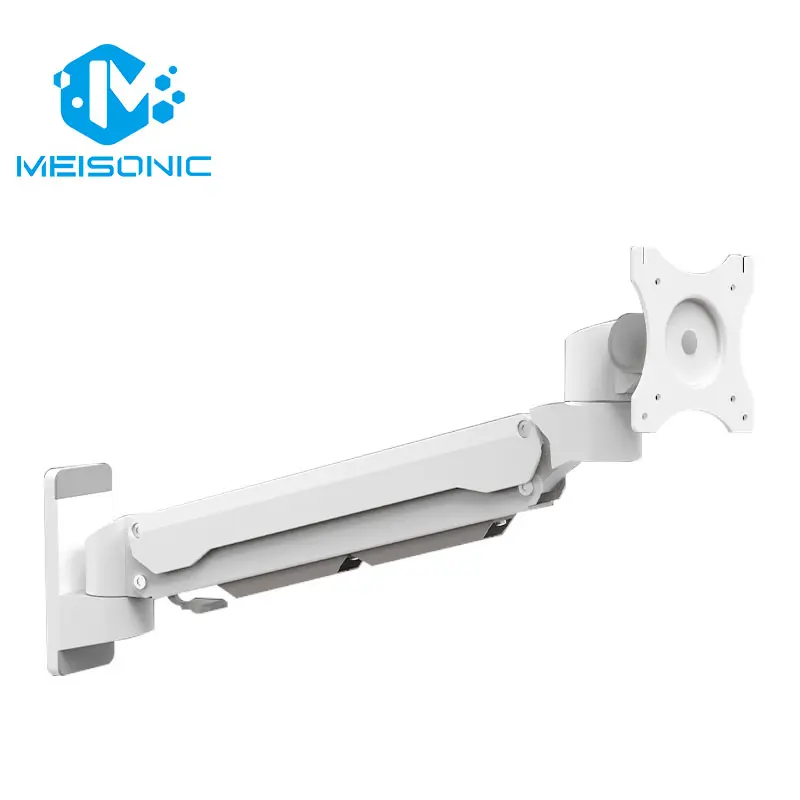
Industrial automation companies face unique challenges when it comes to display management and workspace optimization. Unlike traditional office environments, industrial settings demand equipment that can withstand harsh conditions, frequent repositioning, and continuous operation. This is precisely why automation companies increasingly turn to heavy duty monitor arms as their preferred solution for industrial display mounting and positioning.
The industrial landscape presents distinct operational requirements that standard consumer-grade mounting solutions simply cannot address. Manufacturing facilities, control rooms, and automation environments demand robust mounting systems capable of supporting multiple displays while maintaining precise positioning over extended periods. These environments often involve vibration, temperature fluctuations, and continuous operation cycles that would quickly compromise lighter mounting solutions.
Heavy duty monitor arms have emerged as the industry standard for industrial display applications due to their superior construction, enhanced stability, and ability to accommodate larger screen configurations. These mounting systems provide automation companies with the reliability and flexibility necessary to optimize their operational efficiency while ensuring long-term durability in demanding environments.
Industrial Environment Demands and Challenges
Vibration and Stability Requirements
Industrial facilities generate significant vibration from machinery, conveyor systems, and production equipment. Standard monitor mounts often fail to provide adequate stability in these conditions, leading to screen wobble, positioning drift, and potential equipment damage. Heavy duty monitor arms incorporate reinforced joints, damping mechanisms, and robust construction materials specifically engineered to counteract vibration effects.
The stability factor becomes even more critical when operators rely on precise visual feedback for process control, quality monitoring, and safety systems. Any display instability can compromise operational accuracy and potentially create safety hazards. Industrial-grade mounting solutions address these concerns through enhanced structural integrity and vibration-resistant design principles.
Temperature and Environmental Resilience
Manufacturing environments often subject equipment to extreme temperature variations, humidity fluctuations, and exposure to industrial chemicals or particulates. Heavy duty monitor arms utilize materials and finishes specifically selected for environmental resistance, including corrosion-resistant coatings, sealed bearing assemblies, and temperature-stable components.
These environmental considerations extend beyond basic functionality to encompass long-term reliability and maintenance requirements. Automation companies require mounting solutions that maintain their performance characteristics throughout extended service intervals without frequent replacement or maintenance interventions.
Superior Load Capacity and Multi-Display Support
Enhanced Weight Distribution Capabilities
Industrial applications frequently require multiple large displays or specialized monitors with significant weight profiles. Heavy duty monitor arms provide exceptional load-bearing capacity, often supporting displays ranging from 27 inches to 49 inches or larger, with weight capacities extending well beyond standard consumer mounting solutions.
The superior load distribution characteristics of these mounting systems prevent stress concentration points that could lead to structural failure or positioning degradation. This capability becomes essential when automation companies deploy multi-screen configurations for comprehensive process visualization and control interface management.
Dual and Multi-Screen Configuration Flexibility
Modern industrial automation relies heavily on multi-display setups for comprehensive process monitoring, data visualization, and control system interfaces. Heavy duty monitor arms excel in supporting complex display arrangements while maintaining individual screen adjustability and positioning precision. These configurations enable operators to simultaneously monitor multiple process parameters, alarm systems, and control interfaces.
The heavy duty monitor arms designed for industrial applications often incorporate specialized features such as independent articulation for each display, integrated cable management, and modular expansion capabilities to accommodate evolving operational requirements.
Ergonomic Benefits and Operator Efficiency
Advanced Positioning and Adjustment Mechanisms
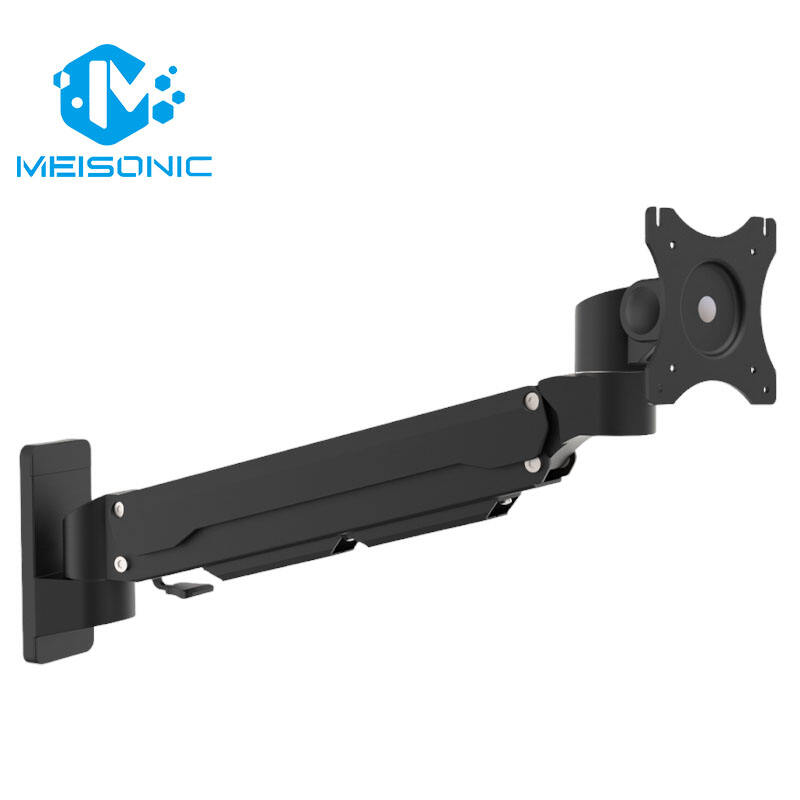
Industrial operators often work extended shifts requiring optimal display positioning to minimize fatigue and maximize productivity. Heavy duty monitor arms provide extensive adjustment ranges including height, tilt, swivel, and rotation capabilities that accommodate diverse operator preferences and workstation configurations.
The smooth adjustment mechanisms incorporated in industrial-grade mounting systems enable operators to quickly reconfigure display positions without tools or significant effort. This flexibility becomes particularly valuable in multi-shift operations where different operators may have varying ergonomic preferences or when display configurations need modification for specific tasks or procedures.
Workspace Organization and Efficiency
Effective workspace organization directly impacts operational efficiency and safety in industrial environments. Heavy duty monitor arms contribute significantly to workspace optimization by elevating displays above desk surfaces, creating additional space for documentation, control panels, and essential equipment. This vertical space utilization proves especially valuable in compact control rooms or workstation environments.
The cable management features integrated into many heavy duty monitor arms further enhance workspace organization by routing display cables through dedicated channels, reducing clutter and potential tripping hazards while maintaining professional appearance and facilitating maintenance access.
Long-Term Reliability and Cost Effectiveness
Durability and Service Life Considerations
Industrial automation companies prioritize equipment investments that deliver extended service life with minimal maintenance requirements. Heavy duty monitor arms typically incorporate premium materials such as steel construction, reinforced pivot points, and industrial-grade hardware that significantly exceed the durability of standard mounting solutions.
The extended service life characteristic of these mounting systems translates directly into reduced total cost of ownership through decreased replacement frequency and maintenance interventions. This economic advantage becomes particularly significant when considering the costs associated with production downtime and equipment replacement in industrial environments.
Maintenance and Serviceability Features
Industrial-grade heavy duty monitor arms often incorporate design features that facilitate routine maintenance and service activities. These features may include accessible lubrication points, replaceable wear components, and modular construction that enables component-level service without complete system replacement.
The serviceability characteristics of these mounting systems align with industrial maintenance practices and schedules, enabling integration into existing preventive maintenance programs. This integration capability helps automation companies maintain consistent equipment performance while optimizing maintenance resource allocation.
Safety and Compliance Considerations
Industrial Safety Standards Compliance
Industrial environments must adhere to strict safety regulations and standards governing equipment installation and operation. Heavy duty monitor arms designed for industrial applications typically incorporate safety features such as secure locking mechanisms, fail-safe positioning systems, and compliance with relevant industrial safety standards.
The robust construction characteristics of these mounting systems provide inherent safety margins that exceed minimum regulatory requirements, offering additional protection against equipment failure or unexpected loading conditions. This safety margin proves essential in critical industrial applications where display system failure could compromise process control or operator safety.
Seismic and Emergency Response Capabilities
Industrial facilities in seismically active regions or those subject to emergency response requirements benefit from the enhanced structural integrity provided by heavy duty monitor arms. These mounting systems often incorporate design features that maintain display security during seismic events or emergency conditions.
The emergency response capabilities extend to include quick-release mechanisms that enable rapid display repositioning or removal when necessary, while maintaining secure mounting under normal operating conditions. These features prove particularly valuable in facilities with strict emergency evacuation procedures or specialized response protocols.
Technology Integration and Future-Proofing
Advanced Display Technology Compatibility
The evolution of display technology continues to introduce larger, higher-resolution monitors with varying mounting requirements and weight profiles. Heavy duty monitor arms provide the flexibility and load capacity necessary to accommodate current and emerging display technologies without requiring mounting system replacement.
This technology compatibility extends to specialized industrial displays such as touchscreen interfaces, ruggedized monitors, and displays with integrated computing capabilities. The robust mounting platform provided by heavy duty monitor arms ensures these advanced display technologies can be deployed effectively in industrial environments.
Integration with Automation Systems
Modern industrial automation increasingly incorporates integrated display and control systems that require sophisticated mounting solutions. Heavy duty monitor arms can accommodate displays with integrated touch interfaces, embedded computing systems, and specialized industrial communication interfaces while maintaining the positioning flexibility and structural integrity required for effective operation.
The integration capabilities extend to include cable management for power, data, and communication connections, ensuring that complex display systems can be deployed cleanly and efficiently. This integration support proves essential as automation companies adopt more sophisticated human-machine interface technologies and display-integrated control systems.
FAQ
What weight capacity should I look for in heavy duty monitor arms for industrial applications
Industrial applications typically require heavy duty monitor arms with weight capacities ranging from 20 to 50 pounds per arm, depending on your display configuration. For dual-screen setups with larger industrial monitors, look for systems rated at 35-40 pounds per arm minimum. Always verify that the mounting system can handle the combined weight of your displays plus any additional accessories like keyboard trays or document holders.
How do heavy duty monitor arms improve workplace safety in industrial environments
Heavy duty monitor arms enhance workplace safety by providing secure display mounting that withstands vibration and environmental stresses common in industrial settings. They eliminate the risk of display tipping or falling, reduce workspace clutter through elevated mounting, and enable optimal display positioning to minimize operator strain and fatigue. Many industrial-grade arms also include safety locks and fail-safe mechanisms to prevent accidental movement.
Can heavy duty monitor arms accommodate different display sizes and brands
Yes, most heavy duty monitor arms feature universal VESA mounting compatibility, supporting standard mounting patterns from 75x75mm up to 200x200mm or larger. This universal compatibility enables you to mount displays ranging from 24 inches to 49 inches or more, regardless of manufacturer. The adjustable mounting brackets can accommodate varying display thicknesses and connector arrangements while maintaining secure attachment.
What maintenance is required for heavy duty monitor arms in industrial environments
Industrial heavy duty monitor arms require minimal routine maintenance, typically involving periodic cleaning, lubrication of pivot points every 6-12 months, and inspection of mounting hardware for tightness. In harsh environments, more frequent cleaning may be necessary to remove accumulated dust or chemical residues. The robust construction of industrial-grade arms means major components rarely require replacement during normal service life, making them highly cost-effective for long-term deployment.
Table of Contents
- Industrial Environment Demands and Challenges
- Superior Load Capacity and Multi-Display Support
- Ergonomic Benefits and Operator Efficiency
- Long-Term Reliability and Cost Effectiveness
- Safety and Compliance Considerations
- Technology Integration and Future-Proofing
-
FAQ
- What weight capacity should I look for in heavy duty monitor arms for industrial applications
- How do heavy duty monitor arms improve workplace safety in industrial environments
- Can heavy duty monitor arms accommodate different display sizes and brands
- What maintenance is required for heavy duty monitor arms in industrial environments